
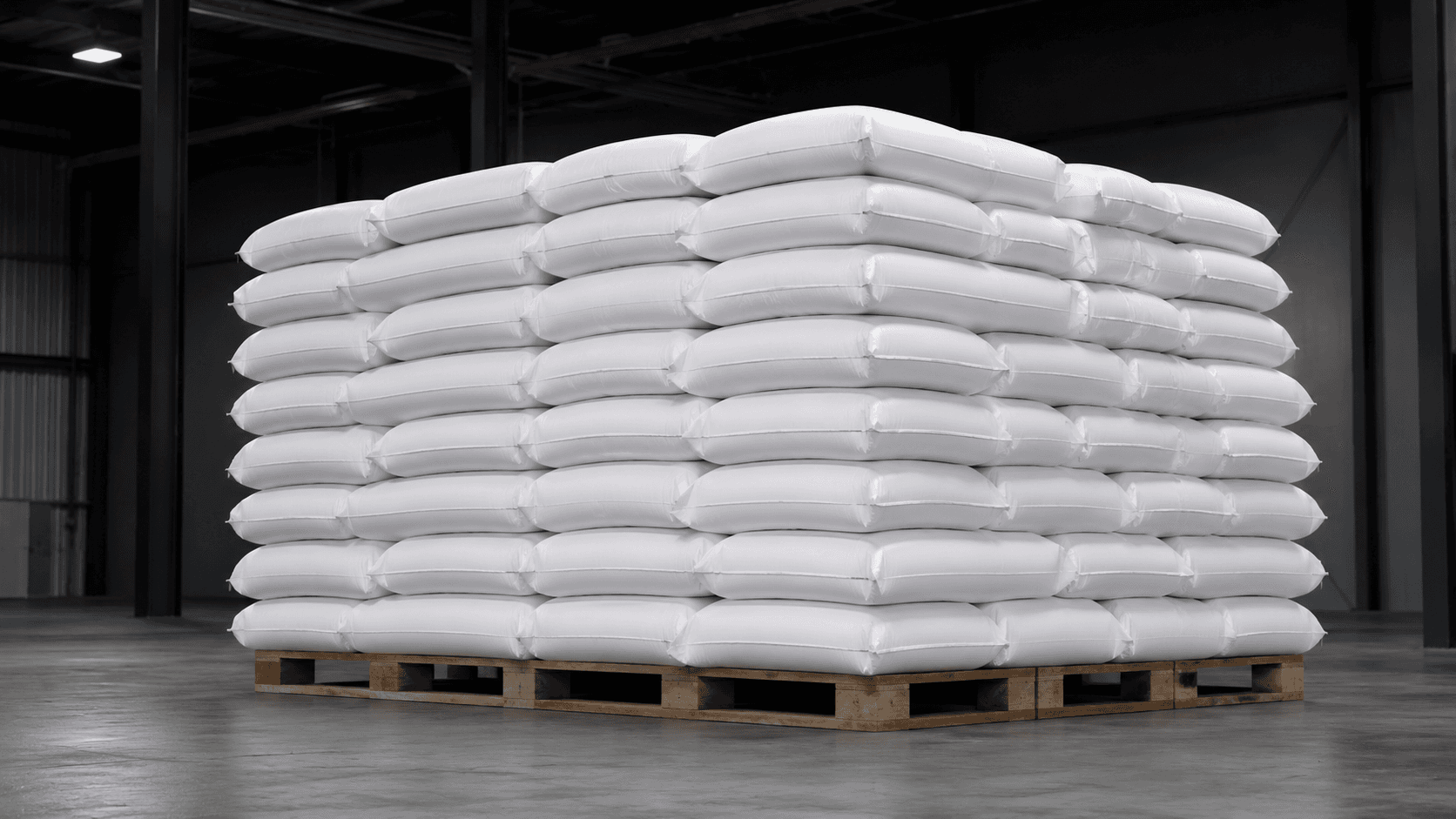
Ammonia Anhydrous CAS: 7664-41-7
Ammonia Anhydrous CAS: 7664-41-7

US markets pause for the Independence Day weekend, but global chemical logistics continues evolving. Here are the five operational developments procurement and supply chain professionals should monitor before trading activity resumes next week.

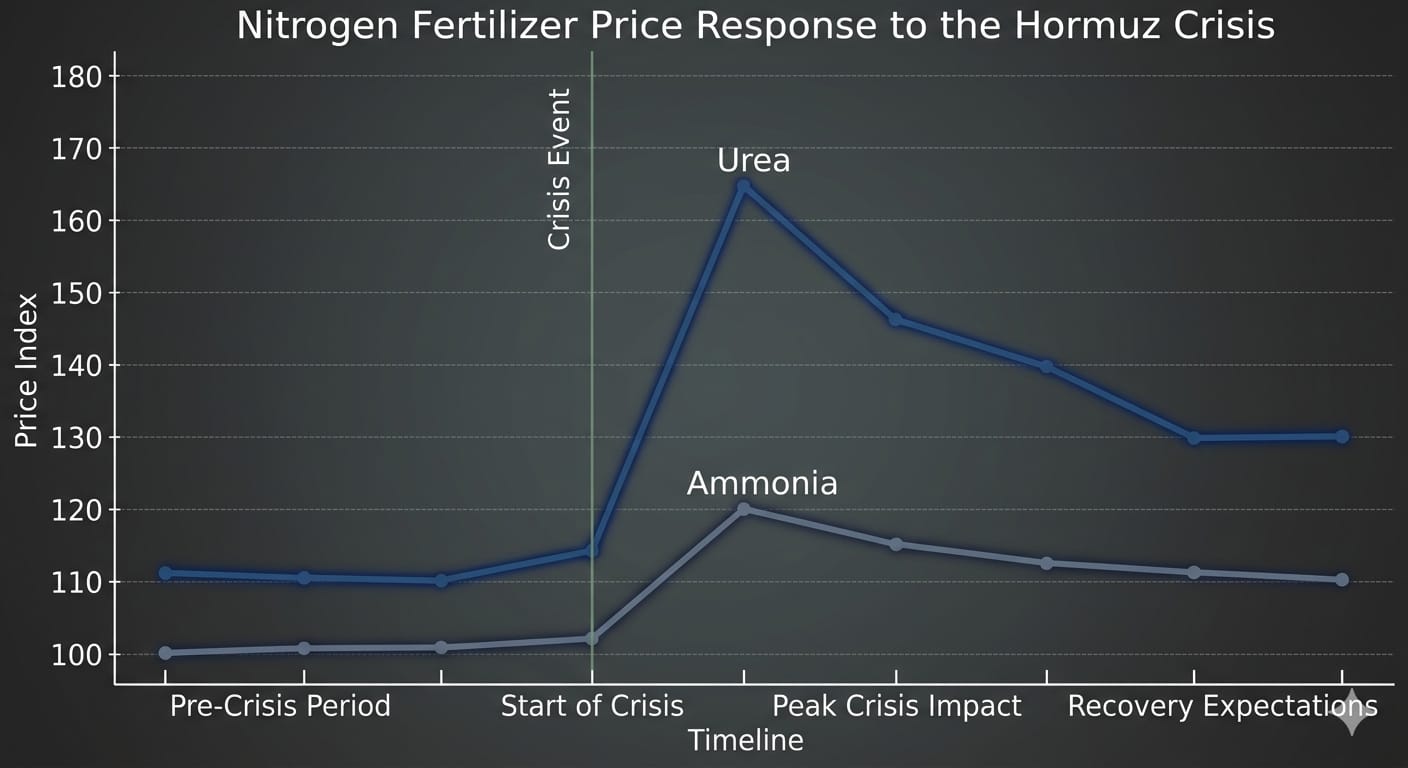
The Hormuz crisis disrupted nearly 45% of global sulfur supply as Gulf refinery by-product exports collapsed for months. With vessel movement now improving, sulfur and sulfuric acid buyers may finally see the first meaningful cost relief in August after one of 2026’s most overlooked supply chain disruptions.

Venator Materials’ looming debt restructuring could reduce European TiO2 output, tightening supply for coatings, plastics, and paper. With Gulf feedstock constraints and high shipping costs, the industry faces higher lead times and costs. Buyers must now assess supplier stability as a core procurement factor.
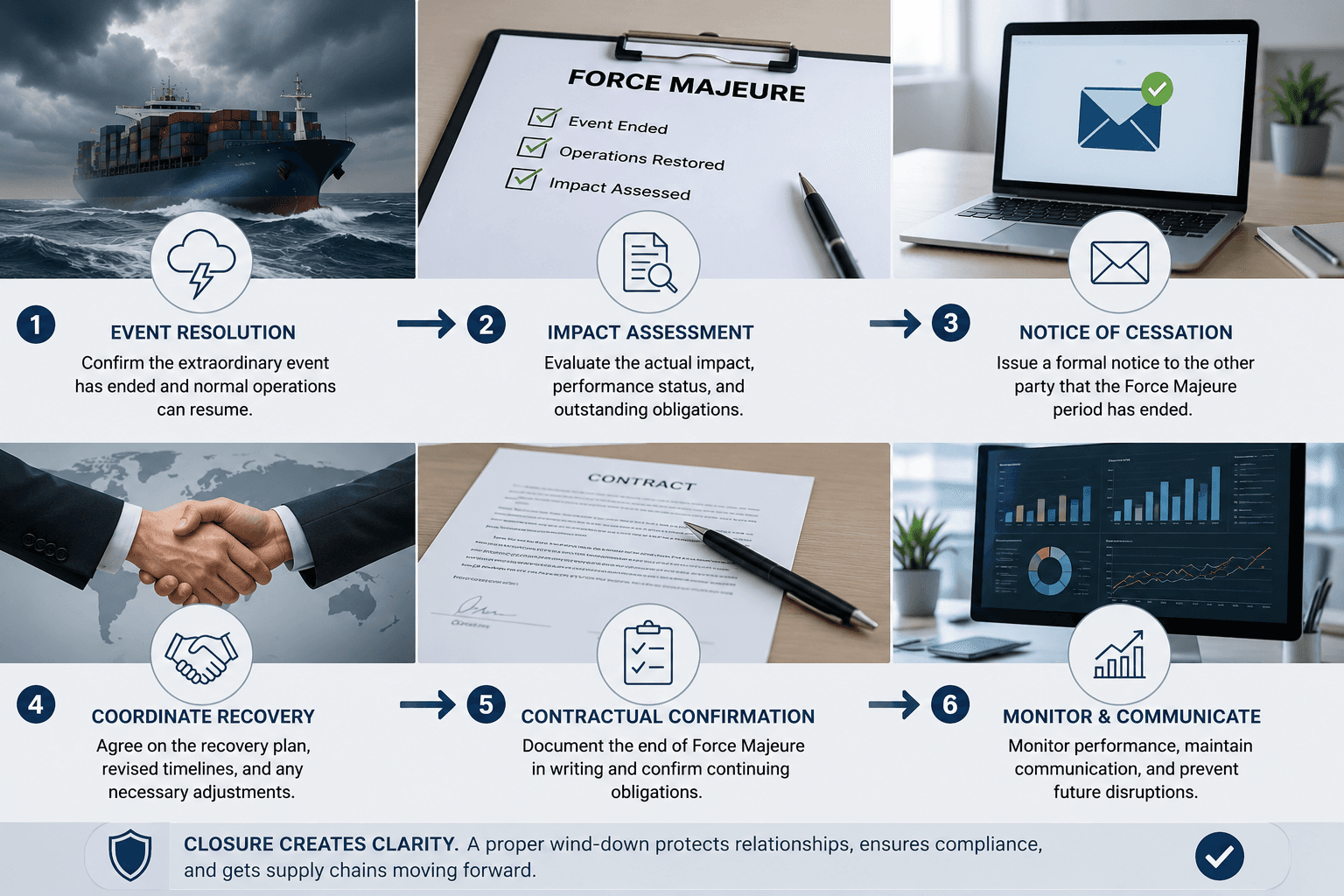
As global supply chains recover from the 2026 Hormuz disruption, companies must actively manage the formal closure of force majeure periods. Proper notice, pricing review, delivery schedule amendments, and legal review are critical to avoiding contract disputes after supply resumes.
The return of Gulf polymer exports is reshaping global procurement strategies for PE, PP and PVC in Q3 2026. With Gulf, US and Chinese suppliers competing once again, buyers have a rare opportunity to compare multiple origins, negotiate better pricing and strengthen supply security.
The Hormuz ceasefire agreement has improved sentiment, but supply chain conditions remain far from normal. Vessel congestion, mine clearance operations and production restart delays mean chemical buyers should maintain elevated inventory levels for now.
We're committed to your privacy. Tradeasia uses the information you provide to us to contact you about our relevant content, products, and services. For more information, check out our privacy policy.