

Related Insights
Global Chemical Production: What Lower 2025 Results Across Major Chemical Companies Mean for Buyers
Most major chemical companies reported weaker sales and earnings during 2025, with DuPont standing out as a notable exception. Procurement teams should understand what these financial results reveal about demand, pricing and the future direction of the global chemical industry.
Ethylene Oxide Holds Steady: What June's Price Stability Means After the Early-Month Decline
Ethylene oxide prices stabilized through the remainder of June 2026 after a sharp decline earlier in the month. Procurement teams should examine whether this period of stability signals a temporary market pause or a shift toward more balanced petrochemical conditions.

Algal Oil and Marine Bio-Based Ingredients: A Hormuz-Independent Supply Strategy for Food Ingredient Buyers
Fermentation-based marine ingredients such as algal DHA, astaxanthin and beta-glucan offer food manufacturers a more resilient supply chain during periods of global shipping disruption. Procurement teams should understand why production geography matters as much as ingredient performance.

Bangladesh Fertilizer Watch: Aman Season Sparks Urgent Ammonia Procurement Race
Bangladesh’s Aman rice season has begun, making nitrogen fertilizer availability a national priority. The limited convoy slots from Gulf suppliers force the Bangladesh Chemical Industries Corporation (BCIC) into a high‑stakes race against regional competitors. Delays could trigger a critical fertilizer shortfall for a country feeding over 170 million people.
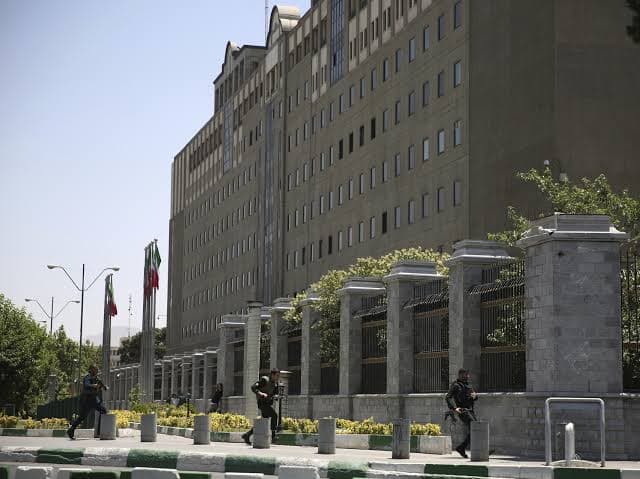
Iran Country Watch: The Internal Contradiction Between Diplomacy, Security and Parliament
Iran enters H2 2026 presenting three distinct institutional positions on diplomacy, maritime security and international engagement. For chemical buyers, understanding these competing policy signals is becoming as important as monitoring production capacity or sanctions compliance.
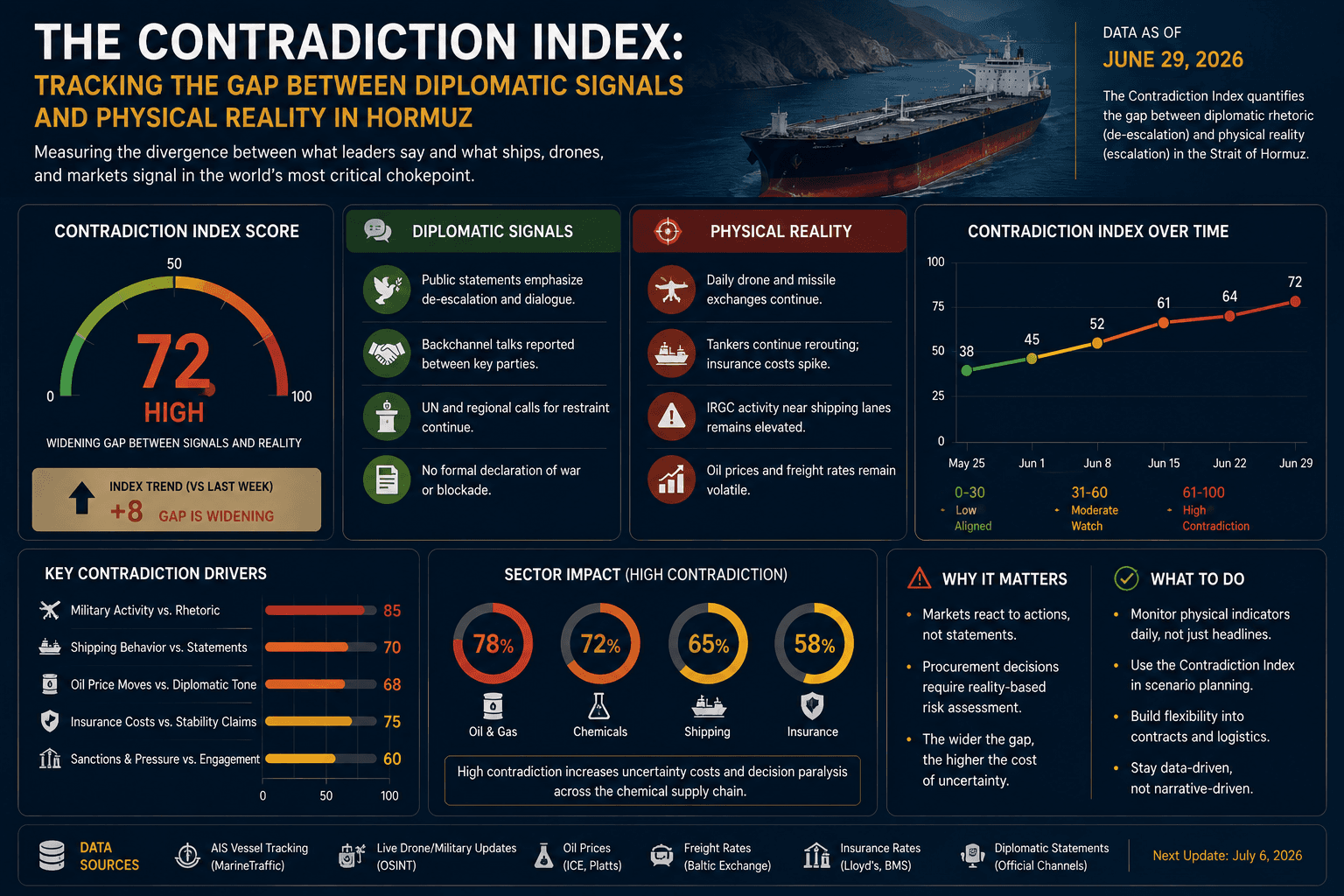
The Contradiction Index: Tracking the Gap Between Diplomatic Signals and Physical Reality in Hormuz
July 1 reveals the biggest contradiction of the Hormuz crisis so far: diplomacy suggests progress, but physical shipping data shows continued disruption. For chemical procurement professionals, understanding the gap between political signals and operational reality has become essential for making correct supply chain decisions.
Don't miss out on our updates! Subscribe to our newsletter now
We're committed to your privacy. Tradeasia uses the information you provide to us to contact you about our relevant content, products, and services. For more information, check out our privacy policy.