
1. The Current TiO2 Landscape
Titanium dioxide (TiO2) remains the cornerstone of white pigment manufacturing, providing opacity, brightness, and UV protection across paints, coatings, plastics, paper, and inks. Global demand continues to grow, driven by building materials, consumer goods, and automotive coatings. In 2026, the TiO2 market is forecasted to expand at a CAGR of 4.2%, with Europe accounting for roughly 35% of production capacity.
1.1. Supply Concentration in Europe
Europe hosts five major TiO2 producers, of which Venator Materials supplies about 18% of the continent’s output. The region’s capacity is highly leveraged, and any shift in the operational footprint of a single player can ripple across the market.
2. Venator’s Financial Distress
Over the past two years, Venator has struggled with mounting debt levels, declining margins, and a competitive pressure from low‑cost Chinese suppliers. The company has entered into provisional debt restructuring talks with its creditors, signaling potential capital injections or asset sales.
2.1. Potential Site Rationalizations
In order to streamline operations, Venator is evaluating closures at two of its three European facilities. A reduction of 12% in total capacity could be realized if both sites shut down, effectively shifting a significant portion of demand to external suppliers.
2.2. Impact on Coatings Manufacturers
A capacity cut would reduce the supply of TiO2 available to European coatings manufacturers, leading to:

Higher procurement costs as the supply gap narrows.
Longer lead times as alternative sources are sourced.
Supply chain volatility due to increased reliance on long‑haul shipments.
3. Geopolitical and Raw Material Constraints
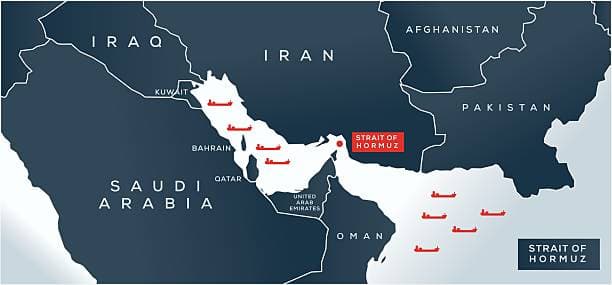
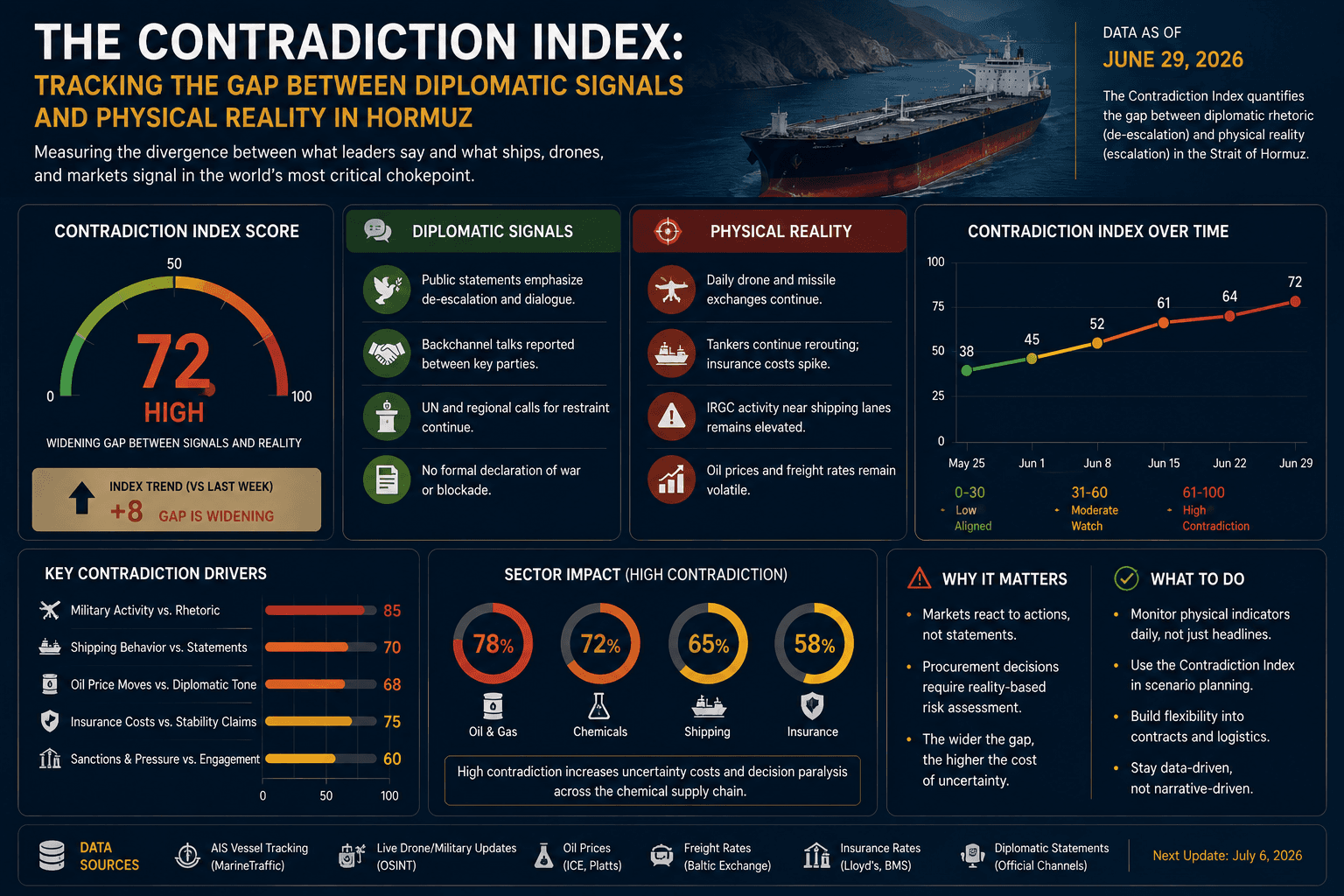
Beyond Venator’s financial troubles, the TiO2 supply chain faces geopolitical headwinds. Gulf-origin titanium feedstock, historically a key input for European producers, has seen a 15% decline in availability due to regional trade restrictions.
3.1. Shipping Cost Pressures
Elevated freight rates on bulk shipments from Asia to Europe have increased the cost of Chinese TiO2 replacements. Shipping costs are estimated to be 25% higher than in 2024, eroding the price advantage that Chinese suppliers previously enjoyed.
4. Strategic Implications for Buyers
As the market tightens, buyers must pivot from a price‑centric sourcing model to a resilience‑centric one. Key actions include:
Supplier Qualification – Conduct financial health assessments of all major pigment suppliers.
Contractual Flexibility – Negotiate term sheets that allow rapid adjustment of volume commitments.
Inventory Buffers – Increase safety stock levels for critical TiO2 grades.
Alternative Sources – Explore partnerships with smaller, regionally located producers that can fill capacity gaps.
5. Outlook for H2 2026
If Venator proceeds with capacity closures, the European TiO2 market could experience a supply‑demand imbalance of up to 10% by mid‑2026. This scenario would likely trigger a 7-10% price premium for high‑quality white pigments and intensify competition among suppliers.
Conversely, should Venator secure a refinancing package and retain its facilities, the market may stabilize, but the risk of future disruptions remains high due to ongoing geopolitical tensions and raw material volatility.
In either case, the primary takeaway for stakeholders is that the financial robustness of pigment producers is now as critical as product specification and price when planning procurement strategies for the coming years.
Titanium Dioxide CAS: 13463-67-7