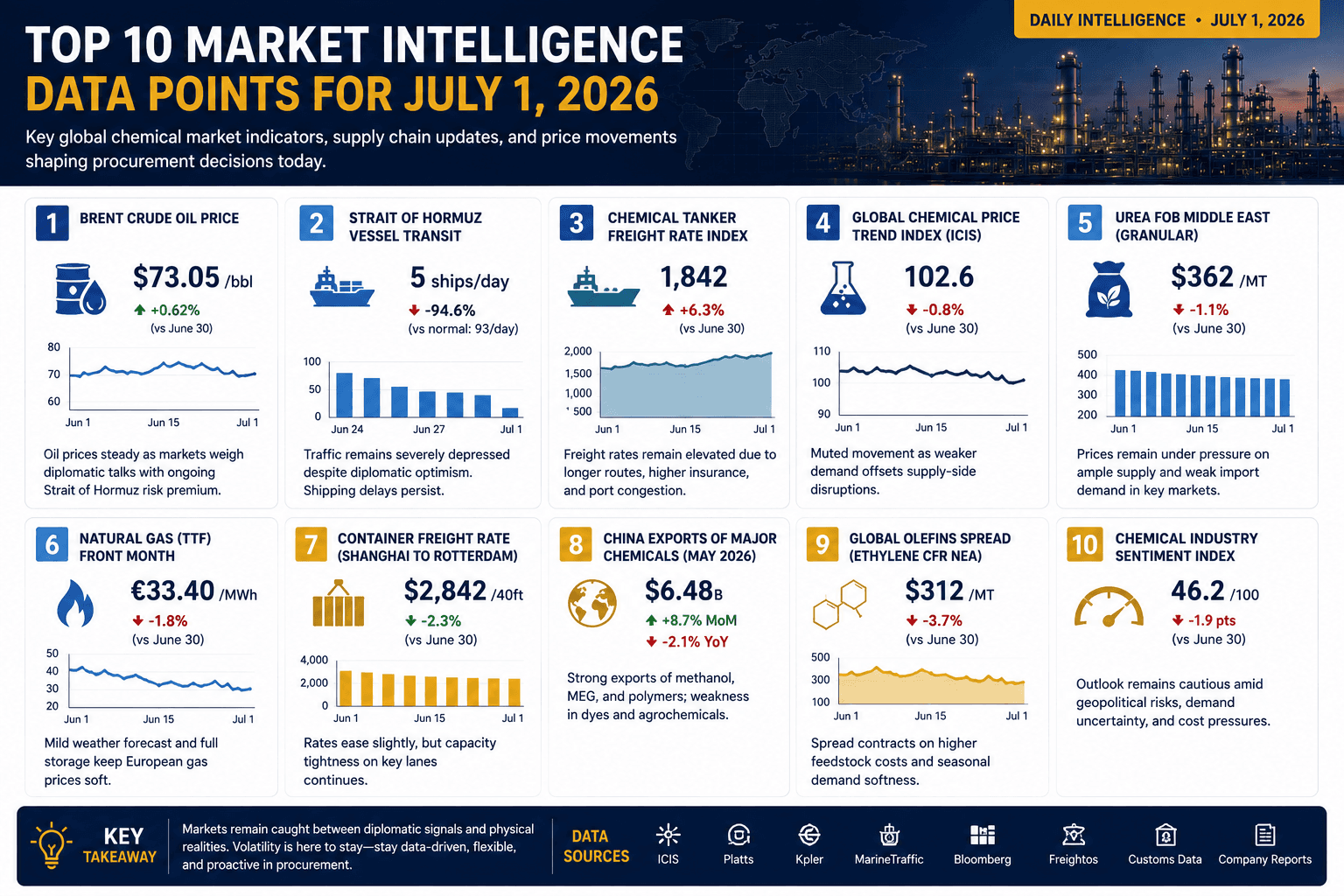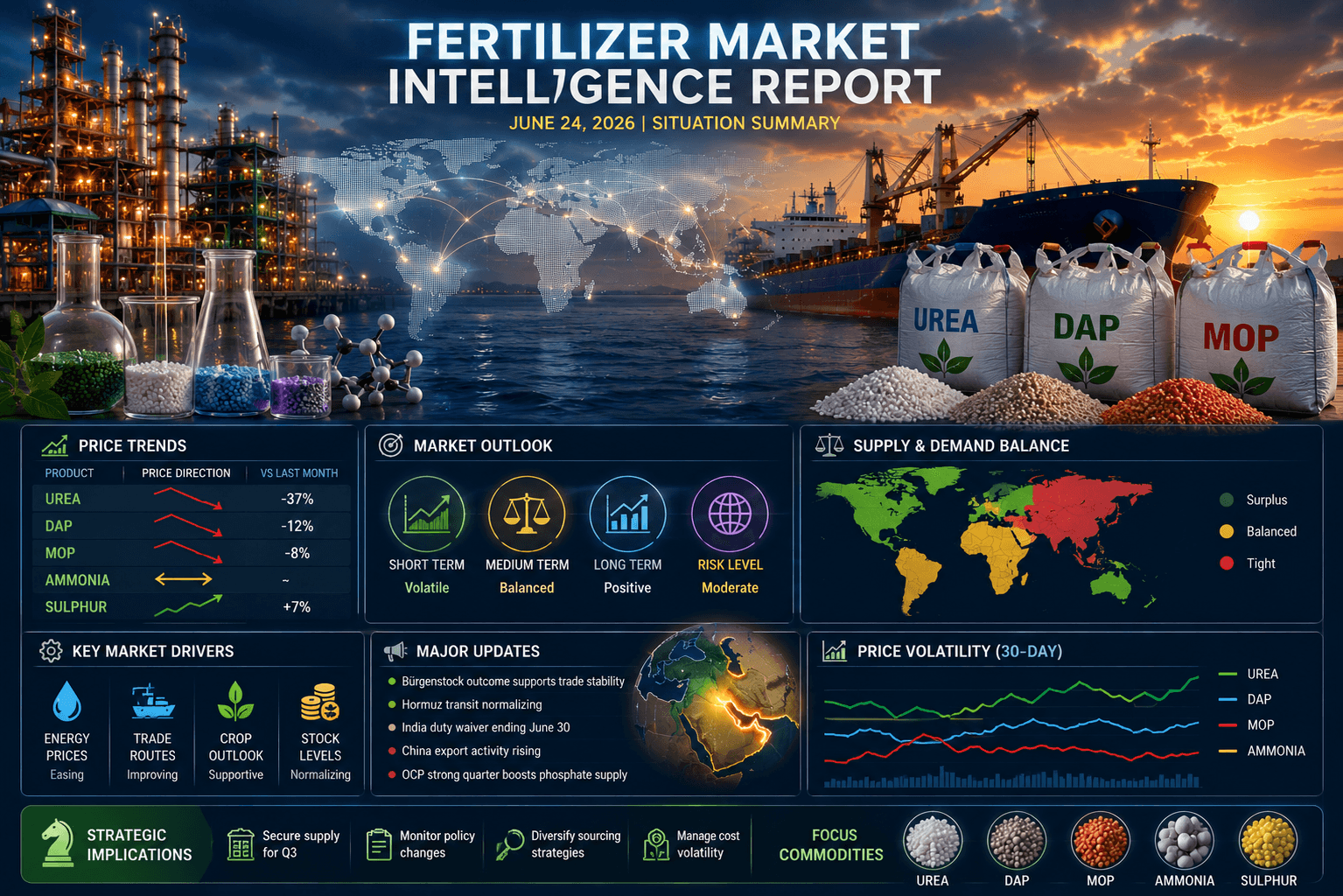

The global PE, PP and PVC market has entered its first truly competitive sourcing phase since early 2026. As polymer shipments gradually resume from Gulf producers through Ras Tanura and Khor Fakkan, buyers who relied on emergency imports during the disruption now have multiple supply options again. This shift marks an important turning point for procurement teams that spent months balancing higher freight costs, limited availability and uncertain delivery schedules.
For manufacturers in packaging, construction and consumer goods, Q3 2026 offers something the market has lacked for months, genuine supplier choice. Gulf producers, US exporters and Chinese suppliers now compete for the same buyers, creating conditions that encourage stronger price negotiations and more flexible procurement strategies.
Gulf Polymer Supply Returns to International Trade
The gradual recovery of Gulf exports has restored confidence across regional polymer markets. Although shipment volumes remain below pre-conflict levels, producers have resumed regular export activity through major logistics hubs, giving international buyers access to dependable Middle Eastern supply once again.
Major producers continue rebuilding export schedules carefully rather than flooding the market. This measured recovery helps stabilize pricing while allowing logistics providers to restore shipping capacity step by step.
For procurement professionals, the most important change is not the total volume available today. The real change is the return of an additional competitive supply source that expands purchasing options.
Why Gulf Material Matters for PE, PP and PVC Buyers
Middle Eastern producers have traditionally offered competitive production economics due to abundant feedstock availability and efficient large-scale manufacturing facilities. Their return immediately changes supplier negotiations across Asia, Europe and Africa.
Buyers no longer need to depend heavily on a single exporting region.
Instead they can evaluate offers based on several factors:
Product specifications and consistency.
Freight costs into destination ports.
Available shipment schedules.
Payment terms and commercial flexibility.
Inventory availability for immediate loading.
This wider selection strengthens buyer bargaining power across nearly every major polymer-consuming region.
Emergency Supply Chains Begin to Lose Momentum
During the disruption, many companies quickly shifted purchasing strategies.
Several alternative supply channels expanded significantly:
US ethane-based polyethylene producers increased exports to customers searching for reliable replacement cargoes.
Korean polypropylene suppliers captured additional market share by filling regional shortages.
European PVC manufacturers reached buyers who normally preferred Gulf-origin material because alternative supplies became limited.
These suppliers helped maintain production across multiple industries. However, their temporary advantage now faces growing competition as Gulf material returns to international markets.
Chinese Exporters Face a More Competitive Environment
Chinese producers increased polymer exports considerably during the supply disruption. Methanol-to-olefins facilities expanded polyethylene production while propane dehydrogenation units supported stronger polypropylene exports into several international markets.
As Gulf shipments increase, Chinese exporters may experience greater pricing pressure.
Instead of competing mainly against emergency shortages, they now compete against multiple established production regions. Buyers can compare offers from several origins before making purchasing decisions, reducing dependence on any single supplier.
Multi-Origin Procurement Returns to the Market
Perhaps the most important development for procurement teams is the return of a genuine multi-origin sourcing environment.
Since February, many purchasing departments had limited flexibility because available suppliers changed dramatically from week to week. Procurement decisions often prioritized availability over pricing.
That situation is beginning to reverse.
Procurement teams can now compare quotations from:
Gulf producers rebuilding export programs.
US manufacturers supported by competitive ethane feedstock.
Chinese exporters seeking to protect recently gained market share.
This competitive landscape encourages suppliers to improve pricing, delivery schedules and commercial terms instead of relying solely on limited market availability.
Packaging Manufacturers Gain Greater Purchasing Flexibility
Packaging remains one of the largest consumers of polyethylene and polypropylene worldwide.
Flexible packaging manufacturers, rigid packaging converters and film producers all benefit when multiple supply origins become available simultaneously.
Instead of committing to long-term purchases from a single emergency supplier, buyers can divide procurement across different regions according to production schedules, inventory targets and freight economics.
This approach reduces exposure to unexpected shipping disruptions while improving negotiating leverage with suppliers.
Construction and Infrastructure Demand Supports PVC Consumption
PVC demand continues to benefit from construction activity across developing and mature markets. Infrastructure projects, residential construction and commercial developments all require consistent supplies of PVC for pipes, fittings, cable insulation and building materials.
As Gulf exports recover, buyers serving the construction sector can once again evaluate multiple origins rather than relying on whichever supplier has immediate availability. This flexibility becomes particularly valuable during seasonal demand increases when delivery schedules often determine purchasing decisions.
Companies involved in public infrastructure projects also benefit from improved procurement planning. A broader supplier base reduces the risk of production delays caused by shortages from a single exporting region.
How Competitive Tendering Changes Procurement Strategy
The return of Gulf supply creates a procurement environment that rewards structured competitive tendering.
Instead of requesting quotations from only one or two suppliers, purchasing teams should invite offers from several qualified producers across different regions. Comparing multiple proposals provides a clearer picture of current market pricing and available commercial terms.
Effective RFQs should include:
Required product grades and technical specifications to ensure every supplier quotes on the same basis.
Preferred shipment windows so suppliers can confirm realistic loading schedules.
Destination ports and delivery terms to allow accurate freight calculations.
Expected purchase volumes that encourage suppliers to offer more competitive pricing.
Payment conditions and contract duration to identify the best overall commercial package.
A well-designed tender does more than identify the lowest price. It also highlights suppliers that offer reliable logistics, responsive customer service and dependable product quality.
Supply Chain Risks Still Require Attention
Although the market has become more balanced, procurement teams should avoid assuming that supply risks have disappeared.
Export volumes from Gulf producers remain below historical levels. Any disruption affecting shipping routes, feedstock availability or regional logistics could still influence delivery schedules and pricing.
Buyers should continue monitoring several important indicators:
Vessel availability and freight rates on key international shipping routes.
Inventory levels at regional distribution hubs.
Feedstock costs for ethane, propane and naphtha, which influence polymer production economics.
Export policies and trade regulations affecting major producing countries.
Seasonal demand changes in packaging, automotive and construction industries.
Maintaining visibility across these factors allows purchasing teams to react quickly if market conditions change.
Pricing Dynamics for Q3 2026
The renewed presence of Gulf material introduces fresh competitive pressure across the polymer market.
US producers still benefit from attractive ethane economics, while Chinese exporters continue seeking overseas sales to maintain plant utilization. Gulf suppliers now add another strong source of competition, increasing the likelihood of more disciplined pricing rather than sharp regional premiums.
Instead of dramatic price swings, buyers may experience narrower price differences between origins as suppliers compete for the same customer base. This environment supports better purchasing decisions because procurement teams can evaluate total landed cost rather than simply chasing scarce inventory.
Pricing discussions should therefore consider more than resin values alone. Freight expenses, delivery reliability, payment terms and supplier performance all contribute to the overall cost of procurement.
What Procurement Teams Should Do Now
Q3 2026 presents one of the strongest buying opportunities seen in several months. With Gulf, US and Chinese material available simultaneously, procurement professionals can rebuild sourcing strategies around competition instead of necessity.
Companies planning July deliveries should move quickly while suppliers actively compete for market share. Waiting too long may reduce flexibility if demand strengthens later in the quarter.
Procurement teams should prioritize three immediate actions:
Issue multi-origin RFQs this week to benchmark offers from Gulf, US and Chinese suppliers.
Compare total landed costs instead of focusing only on resin prices.
Build balanced supplier portfolios that reduce dependence on a single country or production region.
The return of Gulf polymer exports does not simply increase supply. It restores competitive balance to the international market and gives buyers stronger negotiating power than they have enjoyed for much of 2026.
Organizations that take advantage of this multi-origin environment can improve purchasing efficiency, strengthen supply resilience and position themselves more effectively for the remainder of the year.
Ready to source PE, PP and PVC from verified global suppliers? Explore competitive offers on our platform today.
High Density Polyethylene (HDPE) CAS: 9002-88-4