


Related Insights

CPI's Steepest Drop in Six Years: What Lower Inflation Means for Chemical Regulatory Cost Assessments
June's 0.4% decline in the Consumer Price Index marked the largest monthly drop in more than six years, creating new considerations for chemical regulatory cost assessments. Procurement and compliance teams should understand how inflation trends influence regulatory analysis and future compliance costs.

Acrylonitrile Data Reversal: What a 520,000-Tonne Reporting Swing Means for Chemical Procurement
A reported 520,000-tonne acrylonitrile data reversal in early July 2026 highlights how production statistics can change rapidly and influence market expectations. Procurement teams should understand why reliable market intelligence is just as important as pricing when making sourcing decisions.
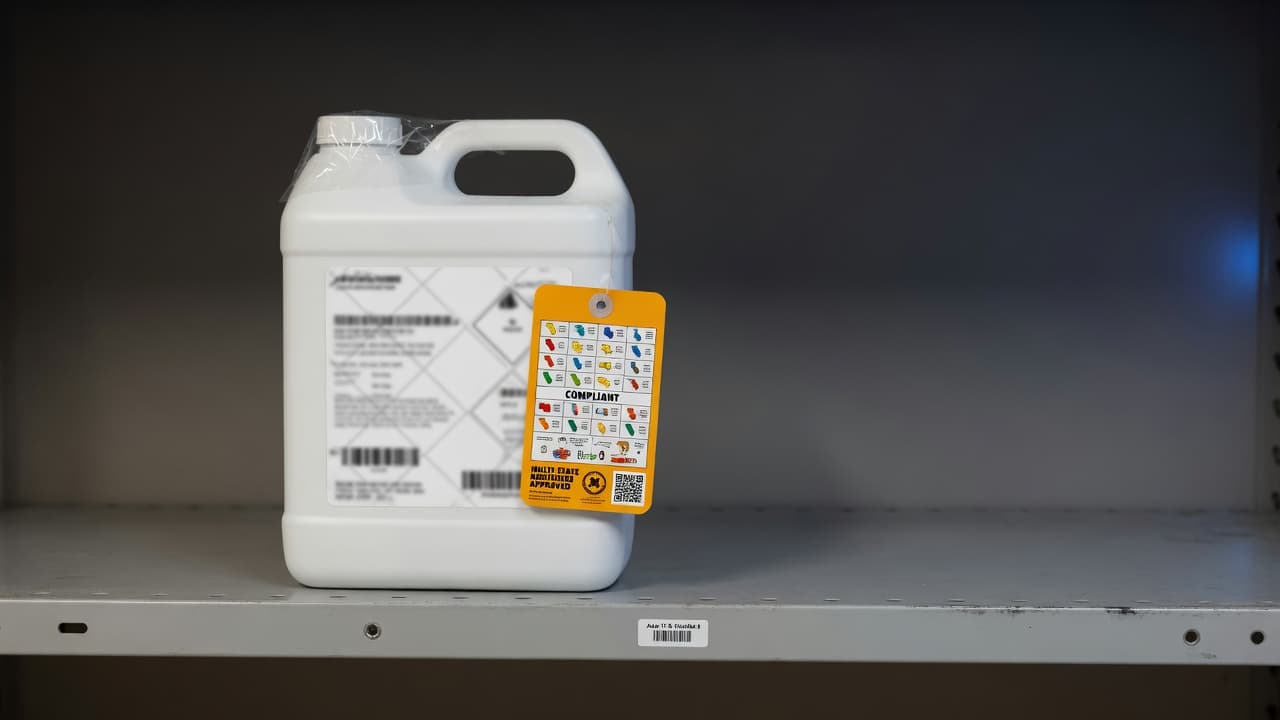
State PFAS Laws and the Federal Patchwork: What Multi-State Chemical Companies Must Manage
State PFAS regulations continue to evolve across the United States, creating new compliance challenges for manufacturers, distributors and procurement teams. This guide explains how differing state requirements affect companies selling PFAS-containing products across multiple markets.

Venator’s Financial Distress Signals a White Pigment Shortage in H2 2026
Venator Materials’ looming debt restructuring could reduce European TiO2 output, tightening supply for coatings, plastics, and paper. With Gulf feedstock constraints and high shipping costs, the industry faces higher lead times and costs. Buyers must now assess supplier stability as a core procurement factor.

Doha Talks Today: How the Switzerland to Doha Shift Could Impact Chemical Supply Chains
Doha Talks Today has become a key market signal for chemical buyers watching Gulf trade routes, energy flows and supply stability. This venue shift may influence procurement decisions as traders assess risks across major chemical exporting regions.
Food Ingredient Freight Reset: Brent Below Pre-War Levels Opens the H2 2026 Cost Correction Window
Brent crude has returned to pre-war levels, creating a new opportunity for food ingredient buyers to reduce landed costs. July freight adjustments give procurement teams a timely chance to renegotiate contracts across major sourcing regions including China, Southeast Asia and India.
Don't miss out on our updates! Subscribe to our newsletter now
We're committed to your privacy. Tradeasia uses the information you provide to us to contact you about our relevant content, products, and services. For more information, check out our privacy policy.