India DAP Tender Oversubscribed: What It Means for Global Phosphate Prices
India’s annual Department of Agriculture & Farmers’ Welfare phosphate tender is a key barometer for the country’s fertilizer needs and global phosphate markets. The latest tender saw an unprecedented oversubscription, with buyers bidding well above the allocated quantity. This trend highlights India’s defensive buying strategy and suggests that phosphate prices could remain elevated for the foreseeable future.
Background on the India DAP Tender
How the Tender Works
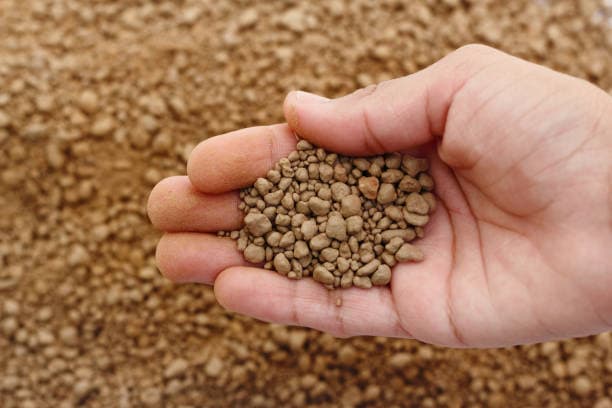
The government publishes its phosphate requirement for the upcoming planting season. Five major suppliers—suddenly enter the market, offering diammonium phosphate (DAP) in bulk. Buyers place bids, and the highest bidders secure the supply. The process is transparent, allowing market participants to gauge demand and price expectations.
Why Oversubscription Matters
When bids exceed the required quantity, it indicates that buyers are willing to pay a premium to secure fertilizer. This defensive behavior can stem from several factors: anticipated price spikes, supply chain uncertainty, or a desire to lock in cheaper rates before the market opens.
Market Dynamics Revealed by the Tender
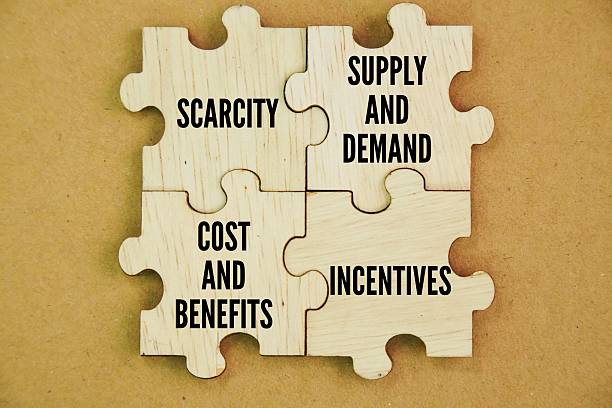
High Demand vs. Limited Supply – India’s growing agricultural sector is driving demand, while global phosphate mining output remains constrained.
Defensive Buying – Farmers and agribusinesses prefer to lock in supplies ahead of seasonal price increases.
Export Pressure – While India is a major importer, it also exports surplus DAP, adding complexity to price dynamics.
Impact on DAP Price Forecast
Analysts now anticipate that DAP prices will either hold steady or rise modestly in the coming months. The oversubscription confirms that market participants expect prices to remain high enough to justify premium bids. In addition, the tender has set a new benchmark for the minimum price that suppliers can realistically command.
Key Forecast Drivers
Global phosphate production is expected to remain below 2023 levels due to mine closures and maintenance.
India’s demand growth, driven by an expanding population and modernized farming practices, is outpacing domestic production.
Currency fluctuations and logistics costs continue to add volatility to the market.
Global Phosphate Demand and Supply Landscape
India is by far the world’s largest consumer of phosphate fertilizers, accounting for roughly 30% of global demand. The country’s reliance on imported phosphate rock and DAP means that any shift in supply or pricing can ripple across international markets.
Exporting Countries – The United States, China, and Morocco are primary exporters. Their production schedules and geopolitical dynamics influence price levels.
Importing Partners – Nations such as Pakistan, Bangladesh, and Sri Lanka also import phosphate, and their market responses can amplify price swings.
Implications for the Fertilizer Industry
For stakeholders in the chemical and fertilizer sector, the oversubscribed tender signals a few critical points:
Companies should prepare for sustained high prices, especially in the first half of the year.
Long‑term contracts may become more attractive as firms seek price certainty.
Investments in domestic phosphate rock mining could become a strategic priority to reduce import reliance.
Outlook for the Coming Seasons
Looking ahead, the market is likely to see a gradual stabilization of prices, but not a sharp decline. The combination of limited supply, rising demand, and defensive purchasing behaviors suggests that DAP prices will remain at a premium level. Companies that can secure early contracts or diversify their supply sources may gain a competitive edge.
In conclusion, India’s oversubscribed DAP tender is a clear indicator of robust demand and a cautious approach by buyers. The global phosphate market should watch for continued price resilience, especially as India stays a pivotal player in the fertilizer supply chain.
Sodium Dihydrogen Phosphate (SDP) (99,5%) - China CAS: 7558-80-7