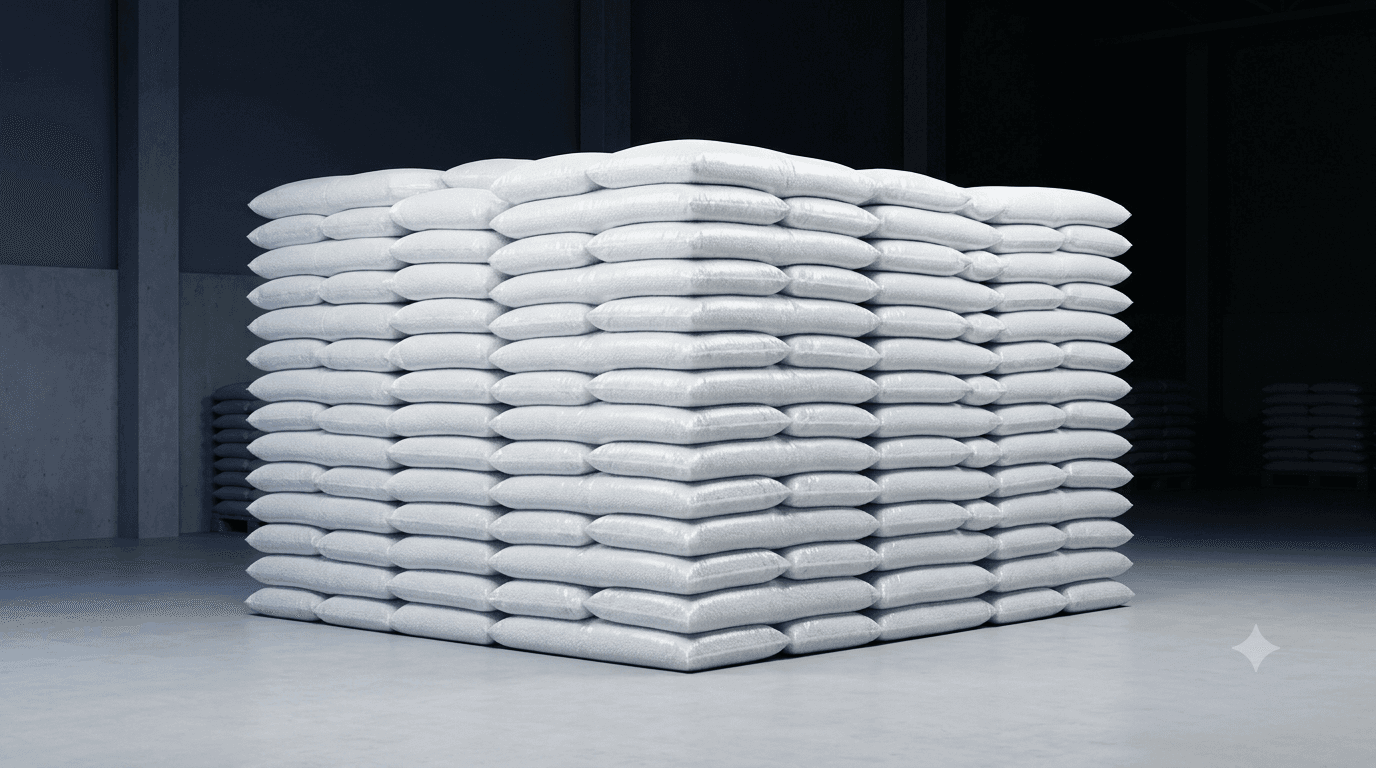
Demand for natural resin-based adhesives continues to grow even as synthetic polymers dominate global materials markets. Maleic anhydride modified rosin esters sit at a critical intersection between natural feedstocks and high performance adhesive systems. The rosin esters segment benefits from strong demand in packaging, e-commerce logistics and infrastructure marking applications. Procurement teams increasingly track both natural resin supply volatility and downstream adhesive consumption trends.
Global adhesive systems now require better tack, thermal stability and compatibility with synthetic polymers. Modified rosin chemistry delivers these performance improvements while maintaining cost efficiency compared to fully synthetic alternatives.
What rosin is and how maleic anhydride modification works
Rosin comes from natural pine tree exudates and appears in multiple commercial forms such as gum rosin, tall oil rosin and wood rosin. The most traded grade on global markets remains gum rosin grade WW, widely sourced from tropical and subtropical regions.
Rosin contains mainly resin acids that provide tack and adhesion properties. However, raw rosin shows limitations in thermal stability and compatibility with synthetic polymers.
Maleic anhydride modification improves performance by chemically reacting with rosin acids to form adducts. This reaction increases polarity and enhances compatibility with polymers used in adhesives and coatings.
Key improvements include:
Higher softening point, improving thermal resistance in hot melt systems
Better compatibility with EVA, SIS and SBS polymers used in pressure sensitive adhesives
Improved colour stability after hydrogenation or esterification
Enhanced adhesion strength across paper, film and packaging substrates
These modifications make rosin esters suitable for modern adhesive formulations that require consistent performance under varying temperature and humidity conditions.
Global supply base for gum rosin and natural resin sourcing
Natural resin supply depends heavily on forestry cycles, tapping practices and regional climate conditions. The global market relies on a few key producing regions that dominate export availability.
Primary sourcing countries include:
China as the largest global exporter of gum rosin and derivatives
Brazil with strong forestry-based resin extraction industries
Argentina supplying regional and export-grade rosin materials
Indonesia supporting steady Southeast Asian resin production
Gum rosin grade WW remains the most widely traded specification on B2B platforms due to its balance of colour, purity and cost efficiency. Lower grades often enter industrial applications where colour constraints are less strict.
Supply variability plays a major role in pricing. Resin tapping depends on tree health, weather cycles and labour availability. Seasonal fluctuations often create tightness in export volumes, especially during peak industrial demand cycles.

Maleic anhydride rosin ester chemistry and performance advantages
Maleic anhydride modification transforms natural rosin into higher performance ester derivatives suitable for demanding adhesive systems. This chemical transformation improves molecular structure stability and compatibility with synthetic polymers.
The process typically involves:
Addition reaction between rosin acids and maleic anhydride
Esterification using glycerol or pentaerythritol
Optional hydrogenation to improve colour and oxidation resistance
These steps produce glycerol ester of rosin and hydrogenated variants that show strong thermal stability and light colour performance.
Performance benefits include:
Improved tack retention in pressure sensitive adhesives
Higher resistance to oxidation and yellowing under heat exposure
Better polymer compatibility in EVA and SIS based systems
Increased cohesion strength in hot melt adhesive formulations
Hydrogenated rosin esters command premium pricing due to superior colour stability and reduced odour. This makes them suitable for high value applications such as hygiene products, food packaging adhesives and medical tapes.
Adhesives and pressure sensitive applications in packaging growth

Adhesive demand continues to expand with the rapid growth of e-commerce packaging and global logistics networks. Maleic anhydride modified rosin esters play a central role in pressure sensitive adhesives used in tapes, labels and packaging films.
Key application segments include:
E-commerce packaging tapes requiring strong instant tack and shear strength
Label adhesives for retail, logistics and industrial tracking systems
Hot melt adhesives used in carton sealing and corrugated packaging
Specialty PSA systems for hygiene and medical applications
Growth in online retail directly increases consumption of adhesive tapes and sealing materials. This drives steady demand for rosin ester-based formulations due to their cost effectiveness and performance balance.
Hot melt adhesives benefit significantly from modified rosin because it enhances melt viscosity control and adhesion consistency. This improves production efficiency for packaging manufacturers operating high speed lines.
Industrial coatings, inks and road marking applications
Beyond packaging, rosin esters serve critical roles in coatings, printing inks and infrastructure marking systems. Their adhesion properties and resin stability make them suitable for demanding outdoor and industrial environments.
Road marking paints represent a growing application segment driven by infrastructure development and highway expansion projects. Maleic anhydride modified rosin improves binder performance, especially under temperature fluctuations and traffic wear conditions.
Additional uses include:
Printing inks for packaging and publishing industries
Paper sizing agents that improve printability and water resistance
Industrial coatings requiring quick drying and strong substrate adhesion
In ink formulations, rosin esters enhance pigment dispersion and improve gloss retention. This supports high quality printing performance across flexible packaging and label production.
Supply chain dynamics and pricing drivers in rosin derivatives

Rosin pricing depends on both natural supply conditions and downstream chemical demand. Unlike fully synthetic petrochemicals, rosin markets reflect agricultural and forestry cycles.
Key pricing drivers include:
Resin tapping yields influenced by weather and forest conditions
Export availability from China, Brazil and Indonesia
Demand from adhesives, inks and coatings industries
Freight costs and container availability on long haul routes
Maleic anhydride modification adds another cost layer linked to petrochemical feedstocks. This creates a hybrid pricing structure combining natural and synthetic input volatility.
Procurement strategies often focus on securing long term contracts during stable harvesting periods. Buyers also diversify sourcing across multiple origins to reduce exposure to regional supply disruptions.
Market outlook for adhesives and rosin ester demand growth
Global demand for rosin esters continues to rise alongside packaging expansion and infrastructure investment. E-commerce logistics remains the strongest structural driver due to sustained growth in parcel volumes and shipping activity.
Several key trends shape the outlook:
Expansion of pressure sensitive adhesive demand in packaging and labeling
Continued infrastructure development supporting road marking paint consumption
Gradual shift toward higher performance hydrogenated rosin esters
Stable industrial demand in inks, coatings and paper applications
While synthetic adhesives continue to gain market share, rosin-based systems maintain relevance due to cost efficiency and strong adhesion performance in key use cases.
Developing markets in Asia continue to drive incremental demand growth, particularly in packaging and construction related adhesive systems.

What Buyers Should Do Now
Procurement teams should closely monitor rosin supply cycles and maleic anhydride cost trends to manage exposure across adhesive supply chains. Supply diversification across Asia and Latin America helps reduce volatility risks.
Buyers should also prioritise performance segmentation, selecting hydrogenated or glycerol ester variants where colour stability and thermal resistance matter most. Lower grades remain suitable for cost sensitive applications like packaging tapes.
Strategic sourcing timing aligned with harvesting cycles can improve cost efficiency and supply security in tight market conditions.
Ready to source gum rosin grade WW from verified global suppliers? Explore competitive offers on our platform today.
Black Gum Rosin CAS: 8050-09-07