
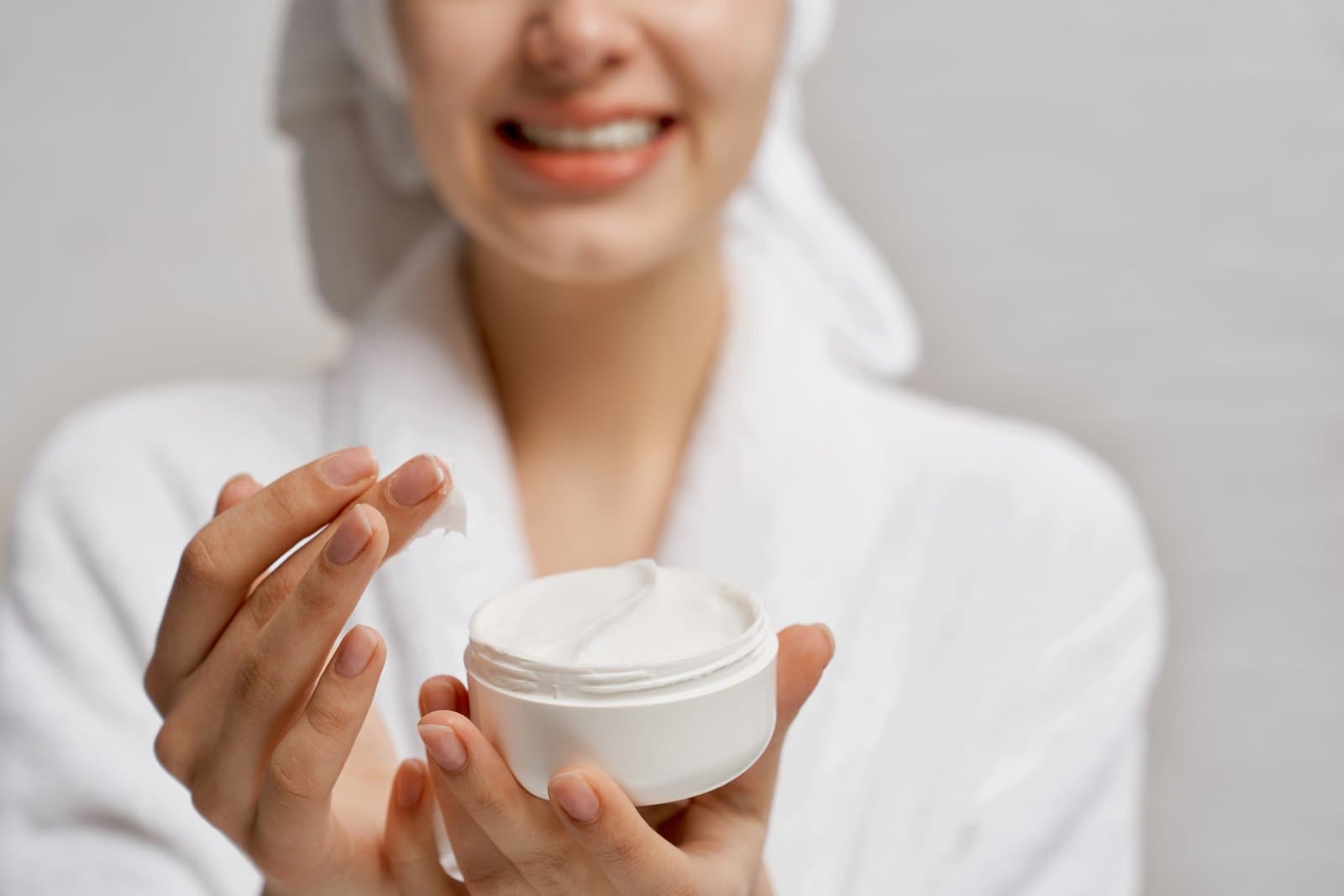
 We frequently concentrate on the advantages skincare products can offer for our skin while deciding on them. However, have you ever paused to think about how these products affect the environment? It's crucial to look into the role that skincare products and the ingredients they contain play in this discourse as customers become more aware of sustainability and the effects of their choices on the environment. Stearic acid is one of these ingredients.
Because of its many beneficial qualities, such as its capacity to emulsify and moisturize, stearic acid is a common component in formulations for skincare products. Stearic acid is a substance, but what exactly is it and how is it made? Understanding the basics of this ingredient is an important first step in exploring its role in sustainable skincare.
What is stearic acid?
Stearic acid is a type of saturated fatty acid that is commonly used in skincare products. It is a waxy substance with no smell or color that is frequently obtained from plant or animal sources. Stearic acid often appears in goods like soaps, lotions, and creams where it is employed as an emulsifier and thickening.
There are several ways of producing stearic acid, but the most popular one done by stearic acid suppliers is through hydrolyzing fats and oils. Fatty acids are separated from the glycerol molecule in fats or oils throughout the process. This is accomplished through a procedure known as saponification, in which the fat or oil is heated while being combined with an alkali, such as sodium hydroxide, to create soap and glycerol. The fatty acids, including stearic acid, are then separated from the soap using hydrochloric acid before being refined by distillation and crystallization.
The process of hydrogenation, which involves adding hydrogen to unsaturated fatty acids in vegetable oils like soybean or palm oil, is another way to generate stearic acid. Stearic acid and other saturated fatty acids are produced as a result of the procedure. High pressure or catalytic methods can be utilized to perform the hydrogenation process, with the latter being more frequently employed in industrial production. Trans-fats, which are bad for both the environment and human health, have been blamed on the hydrogenation process.
Types of stearic acid
Both animal and plant sources can be used to make stearic acid. Animal-derived stearic acid is extracted from cow, pig, or sheep fat, whereas plant-derived stearic acid is usually obtained from vegetable oils including palm oil, coconut oil, and shea butter.
Animal-derived stearic acid production has a large negative impact on the environment. There are greenhouse gas emissions, deforestation, and land degradation as a result of the farming techniques required to generate the huge amounts of animal fat required for stearic acid extraction. Additionally, the usage of stearic acid obtained from animals in cosmetic products can exacerbate problems with animal cruelty.
Stearic acid generated from plants, on the other hand, is a more environmentally friendly choice because it comes from renewable resources. It's important to keep in mind, though, that some plant-derived stearic acid sources, like palm oil, can also have detrimental effects on the environment, including deforestation and habitat damage.
Sustainable uses of stearic acid
Stearic acid is an excellent ingredient for skincare products due to its many advantageous traits. It serves as an emulsifier, assisting in the blending of water- and oil-based components in skincare compositions. Additionally, it moisturizes the skin, enhancing its smoothness and texture. Furthermore, stearic acid has a thickening effect that can help make skincare products seem more opulent.
To make sure that their products are sustainable and environmentally beneficial, many skincare companies incorporate stearic acid from ethical sources into their formulations. These companies are dedicated to using plant-based sources of stearic acid rather than ones sourced from animals, like shea or coconut butter. Additionally, they place a premium on doing business with vendors who value ethical sourcing and environmental methods. These companies are able to provide premium skincare products that are efficient and sustainable because they use stearic acid that is derived from sources that are responsible.
Dr. Bronner's is one such company that is dedicated to employing organic and fair trade products. Stearic acid from organic palm oil is used in their skincare items including their organic hand and body lotions and lip balms. Similar to this, Ethique is a company that emphasizes plastic-free, zero-waste packaging and sources its stearic acid ethically.
Stearic acid-based eco-friendly skincare products improve the skin in a variety of ways. For example, the stearic acid present in The Ordinary's Natural Moisturizing Factors + HA, a well-known skincare item enhances the skin's barrier function while also hydrating it. Another instance is Indie Lee's Squalane Facial Cream, which uses stearic acid produced from olive oil to aid in moisture retention and smooth skin texture. Due to their sustainable production, these products not only benefit skin but also the environment.
The impact of sustainable skincare on the environment
By lowering the amount of trash and pollution the cosmetics industry produces, sustainable skincare has a big influence on the environment. Sustainable skincare companies lessen the harmful effects of the manufacturing process on the environment by utilizing chemicals from ethical sources, such as stearic acid. To cut down on waste, they frequently employ recyclable or biodegradable packaging.
The use of environmentally responsible skincare products can benefit a person's health and wellbeing. Natural and organic substances that are kind to the skin are frequently included in sustainable skincare products, lowering the possibility of skin irritation or allergic reactions. On top of that, some eco-friendly skincare companies place a high value on transparency and inform customers about the components they use and how they source their goods, giving them the information they need to choose products wisely.
Conclusion
In conclusion, ethical consumption emphasizes the importance of sustainable skincare, and stearic acid is one of the components that can help in this endeavor. In addition to being good for the environment, using stearic acid from sustainably harvested sources helps the industry uphold moral standards. By making a conscious effort to support sustainable skincare brands, consumers can play a role in promoting environmentally-friendly practices and making a positive impact on the world.
Image by ArtPhoto_studio via https://www.freepik.com/
We frequently concentrate on the advantages skincare products can offer for our skin while deciding on them. However, have you ever paused to think about how these products affect the environment? It's crucial to look into the role that skincare products and the ingredients they contain play in this discourse as customers become more aware of sustainability and the effects of their choices on the environment. Stearic acid is one of these ingredients.
Because of its many beneficial qualities, such as its capacity to emulsify and moisturize, stearic acid is a common component in formulations for skincare products. Stearic acid is a substance, but what exactly is it and how is it made? Understanding the basics of this ingredient is an important first step in exploring its role in sustainable skincare.
What is stearic acid?
Stearic acid is a type of saturated fatty acid that is commonly used in skincare products. It is a waxy substance with no smell or color that is frequently obtained from plant or animal sources. Stearic acid often appears in goods like soaps, lotions, and creams where it is employed as an emulsifier and thickening.
There are several ways of producing stearic acid, but the most popular one done by stearic acid suppliers is through hydrolyzing fats and oils. Fatty acids are separated from the glycerol molecule in fats or oils throughout the process. This is accomplished through a procedure known as saponification, in which the fat or oil is heated while being combined with an alkali, such as sodium hydroxide, to create soap and glycerol. The fatty acids, including stearic acid, are then separated from the soap using hydrochloric acid before being refined by distillation and crystallization.
The process of hydrogenation, which involves adding hydrogen to unsaturated fatty acids in vegetable oils like soybean or palm oil, is another way to generate stearic acid. Stearic acid and other saturated fatty acids are produced as a result of the procedure. High pressure or catalytic methods can be utilized to perform the hydrogenation process, with the latter being more frequently employed in industrial production. Trans-fats, which are bad for both the environment and human health, have been blamed on the hydrogenation process.
Types of stearic acid
Both animal and plant sources can be used to make stearic acid. Animal-derived stearic acid is extracted from cow, pig, or sheep fat, whereas plant-derived stearic acid is usually obtained from vegetable oils including palm oil, coconut oil, and shea butter.
Animal-derived stearic acid production has a large negative impact on the environment. There are greenhouse gas emissions, deforestation, and land degradation as a result of the farming techniques required to generate the huge amounts of animal fat required for stearic acid extraction. Additionally, the usage of stearic acid obtained from animals in cosmetic products can exacerbate problems with animal cruelty.
Stearic acid generated from plants, on the other hand, is a more environmentally friendly choice because it comes from renewable resources. It's important to keep in mind, though, that some plant-derived stearic acid sources, like palm oil, can also have detrimental effects on the environment, including deforestation and habitat damage.
Sustainable uses of stearic acid
Stearic acid is an excellent ingredient for skincare products due to its many advantageous traits. It serves as an emulsifier, assisting in the blending of water- and oil-based components in skincare compositions. Additionally, it moisturizes the skin, enhancing its smoothness and texture. Furthermore, stearic acid has a thickening effect that can help make skincare products seem more opulent.
To make sure that their products are sustainable and environmentally beneficial, many skincare companies incorporate stearic acid from ethical sources into their formulations. These companies are dedicated to using plant-based sources of stearic acid rather than ones sourced from animals, like shea or coconut butter. Additionally, they place a premium on doing business with vendors who value ethical sourcing and environmental methods. These companies are able to provide premium skincare products that are efficient and sustainable because they use stearic acid that is derived from sources that are responsible.
Dr. Bronner's is one such company that is dedicated to employing organic and fair trade products. Stearic acid from organic palm oil is used in their skincare items including their organic hand and body lotions and lip balms. Similar to this, Ethique is a company that emphasizes plastic-free, zero-waste packaging and sources its stearic acid ethically.
Stearic acid-based eco-friendly skincare products improve the skin in a variety of ways. For example, the stearic acid present in The Ordinary's Natural Moisturizing Factors + HA, a well-known skincare item enhances the skin's barrier function while also hydrating it. Another instance is Indie Lee's Squalane Facial Cream, which uses stearic acid produced from olive oil to aid in moisture retention and smooth skin texture. Due to their sustainable production, these products not only benefit skin but also the environment.
The impact of sustainable skincare on the environment
By lowering the amount of trash and pollution the cosmetics industry produces, sustainable skincare has a big influence on the environment. Sustainable skincare companies lessen the harmful effects of the manufacturing process on the environment by utilizing chemicals from ethical sources, such as stearic acid. To cut down on waste, they frequently employ recyclable or biodegradable packaging.
The use of environmentally responsible skincare products can benefit a person's health and wellbeing. Natural and organic substances that are kind to the skin are frequently included in sustainable skincare products, lowering the possibility of skin irritation or allergic reactions. On top of that, some eco-friendly skincare companies place a high value on transparency and inform customers about the components they use and how they source their goods, giving them the information they need to choose products wisely.
Conclusion
In conclusion, ethical consumption emphasizes the importance of sustainable skincare, and stearic acid is one of the components that can help in this endeavor. In addition to being good for the environment, using stearic acid from sustainably harvested sources helps the industry uphold moral standards. By making a conscious effort to support sustainable skincare brands, consumers can play a role in promoting environmentally-friendly practices and making a positive impact on the world.
Image by ArtPhoto_studio via https://www.freepik.com/How Stearic Acid Can Benefit Both Your Skin and the Environment
 We frequently concentrate on the advantages skincare products can offer for our skin while deciding on them. However, have you ever paused to think about how these products affect the environment? It's crucial to look into the role that skincare products and the ingredients they contain play in this discourse as customers become more aware of sustainability and the effects of their choices on the environment. Stearic acid is one of these ingredients.
Because of its many beneficial qualities, such as its capacity to emulsify and moisturize, stearic acid is a common component in formulations for skincare products. Stearic acid is a substance, but what exactly is it and how is it made? Understanding the basics of this ingredient is an important first step in exploring its role in sustainable skincare.
What is stearic acid?
Stearic acid is a type of saturated fatty acid that is commonly used in skincare products. It is a waxy substance with no smell or color that is frequently obtained from plant or animal sources. Stearic acid often appears in goods like soaps, lotions, and creams where it is employed as an emulsifier and thickening.
There are several ways of producing stearic acid, but the most popular one done by stearic acid suppliers is through hydrolyzing fats and oils. Fatty acids are separated from the glycerol molecule in fats or oils throughout the process. This is accomplished through a procedure known as saponification, in which the fat or oil is heated while being combined with an alkali, such as sodium hydroxide, to create soap and glycerol. The fatty acids, including stearic acid, are then separated from the soap using hydrochloric acid before being refined by distillation and crystallization.
The process of hydrogenation, which involves adding hydrogen to unsaturated fatty acids in vegetable oils like soybean or palm oil, is another way to generate stearic acid. Stearic acid and other saturated fatty acids are produced as a result of the procedure. High pressure or catalytic methods can be utilized to perform the hydrogenation process, with the latter being more frequently employed in industrial production. Trans-fats, which are bad for both the environment and human health, have been blamed on the hydrogenation process.
Types of stearic acid
Both animal and plant sources can be used to make stearic acid. Animal-derived stearic acid is extracted from cow, pig, or sheep fat, whereas plant-derived stearic acid is usually obtained from vegetable oils including palm oil, coconut oil, and shea butter.
Animal-derived stearic acid production has a large negative impact on the environment. There are greenhouse gas emissions, deforestation, and land degradation as a result of the farming techniques required to generate the huge amounts of animal fat required for stearic acid extraction. Additionally, the usage of stearic acid obtained from animals in cosmetic products can exacerbate problems with animal cruelty.
Stearic acid generated from plants, on the other hand, is a more environmentally friendly choice because it comes from renewable resources. It's important to keep in mind, though, that some plant-derived stearic acid sources, like palm oil, can also have detrimental effects on the environment, including deforestation and habitat damage.
Sustainable uses of stearic acid
Stearic acid is an excellent ingredient for skincare products due to its many advantageous traits. It serves as an emulsifier, assisting in the blending of water- and oil-based components in skincare compositions. Additionally, it moisturizes the skin, enhancing its smoothness and texture. Furthermore, stearic acid has a thickening effect that can help make skincare products seem more opulent.
To make sure that their products are sustainable and environmentally beneficial, many skincare companies incorporate stearic acid from ethical sources into their formulations. These companies are dedicated to using plant-based sources of stearic acid rather than ones sourced from animals, like shea or coconut butter. Additionally, they place a premium on doing business with vendors who value ethical sourcing and environmental methods. These companies are able to provide premium skincare products that are efficient and sustainable because they use stearic acid that is derived from sources that are responsible.
Dr. Bronner's is one such company that is dedicated to employing organic and fair trade products. Stearic acid from organic palm oil is used in their skincare items including their organic hand and body lotions and lip balms. Similar to this, Ethique is a company that emphasizes plastic-free, zero-waste packaging and sources its stearic acid ethically.
Stearic acid-based eco-friendly skincare products improve the skin in a variety of ways. For example, the stearic acid present in The Ordinary's Natural Moisturizing Factors + HA, a well-known skincare item enhances the skin's barrier function while also hydrating it. Another instance is Indie Lee's Squalane Facial Cream, which uses stearic acid produced from olive oil to aid in moisture retention and smooth skin texture. Due to their sustainable production, these products not only benefit skin but also the environment.
The impact of sustainable skincare on the environment
By lowering the amount of trash and pollution the cosmetics industry produces, sustainable skincare has a big influence on the environment. Sustainable skincare companies lessen the harmful effects of the manufacturing process on the environment by utilizing chemicals from ethical sources, such as stearic acid. To cut down on waste, they frequently employ recyclable or biodegradable packaging.
The use of environmentally responsible skincare products can benefit a person's health and wellbeing. Natural and organic substances that are kind to the skin are frequently included in sustainable skincare products, lowering the possibility of skin irritation or allergic reactions. On top of that, some eco-friendly skincare companies place a high value on transparency and inform customers about the components they use and how they source their goods, giving them the information they need to choose products wisely.
Conclusion
In conclusion, ethical consumption emphasizes the importance of sustainable skincare, and stearic acid is one of the components that can help in this endeavor. In addition to being good for the environment, using stearic acid from sustainably harvested sources helps the industry uphold moral standards. By making a conscious effort to support sustainable skincare brands, consumers can play a role in promoting environmentally-friendly practices and making a positive impact on the world.
Image by ArtPhoto_studio via https://www.freepik.com/
We frequently concentrate on the advantages skincare products can offer for our skin while deciding on them. However, have you ever paused to think about how these products affect the environment? It's crucial to look into the role that skincare products and the ingredients they contain play in this discourse as customers become more aware of sustainability and the effects of their choices on the environment. Stearic acid is one of these ingredients.
Because of its many beneficial qualities, such as its capacity to emulsify and moisturize, stearic acid is a common component in formulations for skincare products. Stearic acid is a substance, but what exactly is it and how is it made? Understanding the basics of this ingredient is an important first step in exploring its role in sustainable skincare.
What is stearic acid?
Stearic acid is a type of saturated fatty acid that is commonly used in skincare products. It is a waxy substance with no smell or color that is frequently obtained from plant or animal sources. Stearic acid often appears in goods like soaps, lotions, and creams where it is employed as an emulsifier and thickening.
There are several ways of producing stearic acid, but the most popular one done by stearic acid suppliers is through hydrolyzing fats and oils. Fatty acids are separated from the glycerol molecule in fats or oils throughout the process. This is accomplished through a procedure known as saponification, in which the fat or oil is heated while being combined with an alkali, such as sodium hydroxide, to create soap and glycerol. The fatty acids, including stearic acid, are then separated from the soap using hydrochloric acid before being refined by distillation and crystallization.
The process of hydrogenation, which involves adding hydrogen to unsaturated fatty acids in vegetable oils like soybean or palm oil, is another way to generate stearic acid. Stearic acid and other saturated fatty acids are produced as a result of the procedure. High pressure or catalytic methods can be utilized to perform the hydrogenation process, with the latter being more frequently employed in industrial production. Trans-fats, which are bad for both the environment and human health, have been blamed on the hydrogenation process.
Types of stearic acid
Both animal and plant sources can be used to make stearic acid. Animal-derived stearic acid is extracted from cow, pig, or sheep fat, whereas plant-derived stearic acid is usually obtained from vegetable oils including palm oil, coconut oil, and shea butter.
Animal-derived stearic acid production has a large negative impact on the environment. There are greenhouse gas emissions, deforestation, and land degradation as a result of the farming techniques required to generate the huge amounts of animal fat required for stearic acid extraction. Additionally, the usage of stearic acid obtained from animals in cosmetic products can exacerbate problems with animal cruelty.
Stearic acid generated from plants, on the other hand, is a more environmentally friendly choice because it comes from renewable resources. It's important to keep in mind, though, that some plant-derived stearic acid sources, like palm oil, can also have detrimental effects on the environment, including deforestation and habitat damage.
Sustainable uses of stearic acid
Stearic acid is an excellent ingredient for skincare products due to its many advantageous traits. It serves as an emulsifier, assisting in the blending of water- and oil-based components in skincare compositions. Additionally, it moisturizes the skin, enhancing its smoothness and texture. Furthermore, stearic acid has a thickening effect that can help make skincare products seem more opulent.
To make sure that their products are sustainable and environmentally beneficial, many skincare companies incorporate stearic acid from ethical sources into their formulations. These companies are dedicated to using plant-based sources of stearic acid rather than ones sourced from animals, like shea or coconut butter. Additionally, they place a premium on doing business with vendors who value ethical sourcing and environmental methods. These companies are able to provide premium skincare products that are efficient and sustainable because they use stearic acid that is derived from sources that are responsible.
Dr. Bronner's is one such company that is dedicated to employing organic and fair trade products. Stearic acid from organic palm oil is used in their skincare items including their organic hand and body lotions and lip balms. Similar to this, Ethique is a company that emphasizes plastic-free, zero-waste packaging and sources its stearic acid ethically.
Stearic acid-based eco-friendly skincare products improve the skin in a variety of ways. For example, the stearic acid present in The Ordinary's Natural Moisturizing Factors + HA, a well-known skincare item enhances the skin's barrier function while also hydrating it. Another instance is Indie Lee's Squalane Facial Cream, which uses stearic acid produced from olive oil to aid in moisture retention and smooth skin texture. Due to their sustainable production, these products not only benefit skin but also the environment.
The impact of sustainable skincare on the environment
By lowering the amount of trash and pollution the cosmetics industry produces, sustainable skincare has a big influence on the environment. Sustainable skincare companies lessen the harmful effects of the manufacturing process on the environment by utilizing chemicals from ethical sources, such as stearic acid. To cut down on waste, they frequently employ recyclable or biodegradable packaging.
The use of environmentally responsible skincare products can benefit a person's health and wellbeing. Natural and organic substances that are kind to the skin are frequently included in sustainable skincare products, lowering the possibility of skin irritation or allergic reactions. On top of that, some eco-friendly skincare companies place a high value on transparency and inform customers about the components they use and how they source their goods, giving them the information they need to choose products wisely.
Conclusion
In conclusion, ethical consumption emphasizes the importance of sustainable skincare, and stearic acid is one of the components that can help in this endeavor. In addition to being good for the environment, using stearic acid from sustainably harvested sources helps the industry uphold moral standards. By making a conscious effort to support sustainable skincare brands, consumers can play a role in promoting environmentally-friendly practices and making a positive impact on the world.
Image by ArtPhoto_studio via https://www.freepik.com/Related Insights
Flakes vs. Powder: Logistical Handling of Benzoic Acid
Compare benzoic acid flakes and powder for storage, safety, dust risk, dissolution speed, and transport stability to select the right grade.

The Flavor Amplifier: Boosting Citrus and Berry Notes with Crystalline Fructose
Crystalline fructose enhances citrus and berry notes in powdered drinks by improving sweetness profile, acid synergy, and cold-water dissolution.

Sodium Lauryl Sulfate Beyond Soaps: Versatility Unveiled
SLS, also known as sodium lauryl sulfate, is a well-known name in the personal care industry and is frequently linked to its use in soaps and cleansers. The potential of this adaptable substance, however, greatly outweighs its conventional uses. SLS has made its impact in a variety of industries bey
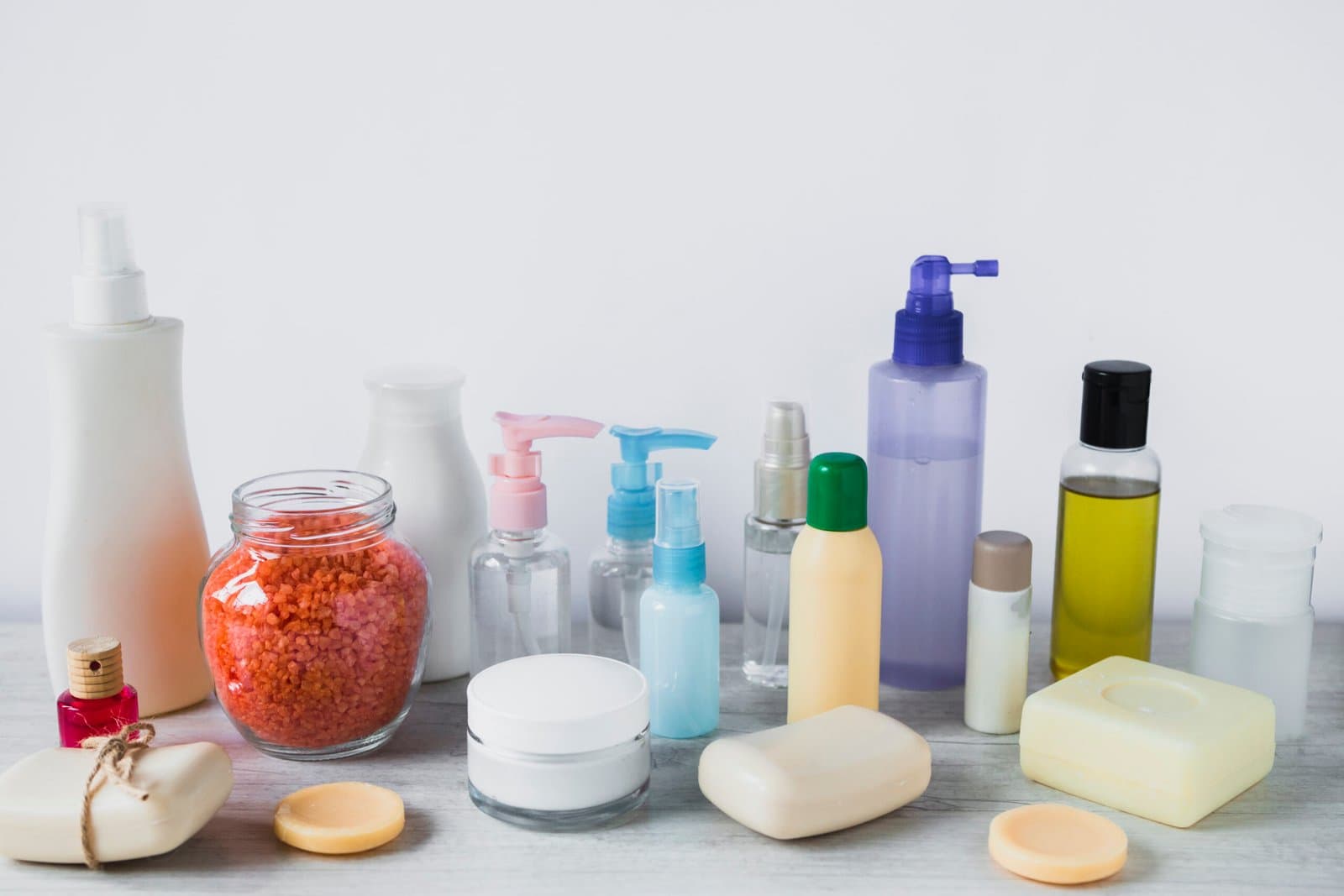
Cetyl Alcohol: Beyond Skincare
Despite being frequently known for its use in skincare, cetyl alcohol has a wide range of uses that go beyond the world of beauty. This understated substance, which is mostly obtained from natural sources, has entered a number of markets to show off its adaptability and value. To explore the lesser-

Citric Acid as a Natural Powerhouse in Skincare and Medicinal Products
Citric acid has emerged as a powerhouse, providing a plethora of advantages for our skin and general health as the need for natural and efficient components rises. Citric acid has gained popularity as a go-to component thanks to its exfoliating abilities and antioxidant effects. It gives us a health

Exploring the Harmful Environmental Footprint of Fast, Low-Cost Fashion
Clothing manufacturers produce new fashions on an ever-shorter schedule and sell them for so little (say $5 for a blouse or $20 for jeans) that customers buy more and more, sometimes only wearing them a few times. However, the surge in clothing production has raised carbon emissions and other envir
Don't miss out on our updates! Subscribe to our newsletter now
We're committed to your privacy. Tradeasia uses the information you provide to us to contact you about our relevant content, products, and services. For more information, check out our privacy policy.