

Related Insights
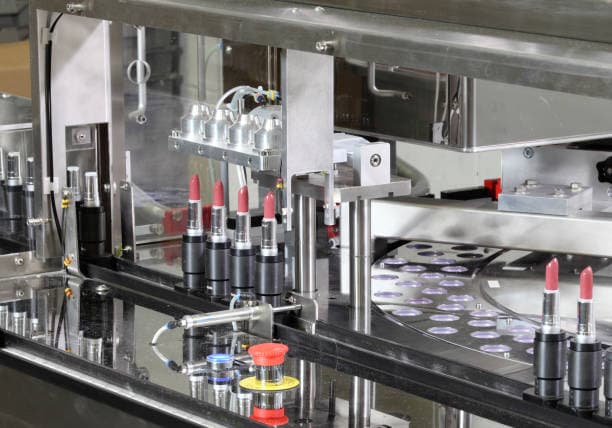
Toray’s Biobased 2‑Pyrrolidone: A Specialty Chemical Bet on Cosmetics Manufacturing
Toray Industries has unveiled a renewable 2‑pyrrolidone production route that meets the rising demand for eco‑friendly specialty chemicals in cosmetics, solvents, polymers, and beverages. The process uses plant‑derived feedstocks to deliver high‑purity intermediates while cutting greenhouse gas emissions.

EU Anti-Dumping and the Sustainability Trade-Off: High-Cost vs Low-Carbon
Trade remedies and sustainability objectives do not always move in the same direction. This article explores how anti-dumping measures on LLDPE can influence production emissions, transportation emissions and procurement decisions through a life cycle perspective.

Dow's Path2Zero Delay and Corporate Climate Commitment Credibility
Dow's decision to postpone its Path2Zero project changes the expected timeline for low-carbon polyethylene production from Alberta. This article explains what the delay means for procurement teams, CSRD reporting and Scope 3 transition planning.

Green Hydrogen at India's NextGen Summit: The REACT. CREATE. INNOVATE. Agenda
India's NextGen Chemicals & Petrochemicals Summit 2026 places green hydrogen at the center of future industrial growth. This article explains why the discussions matter for chemical producers, fertilizer manufacturers and sustainability professionals tracking low-carbon supply chains.
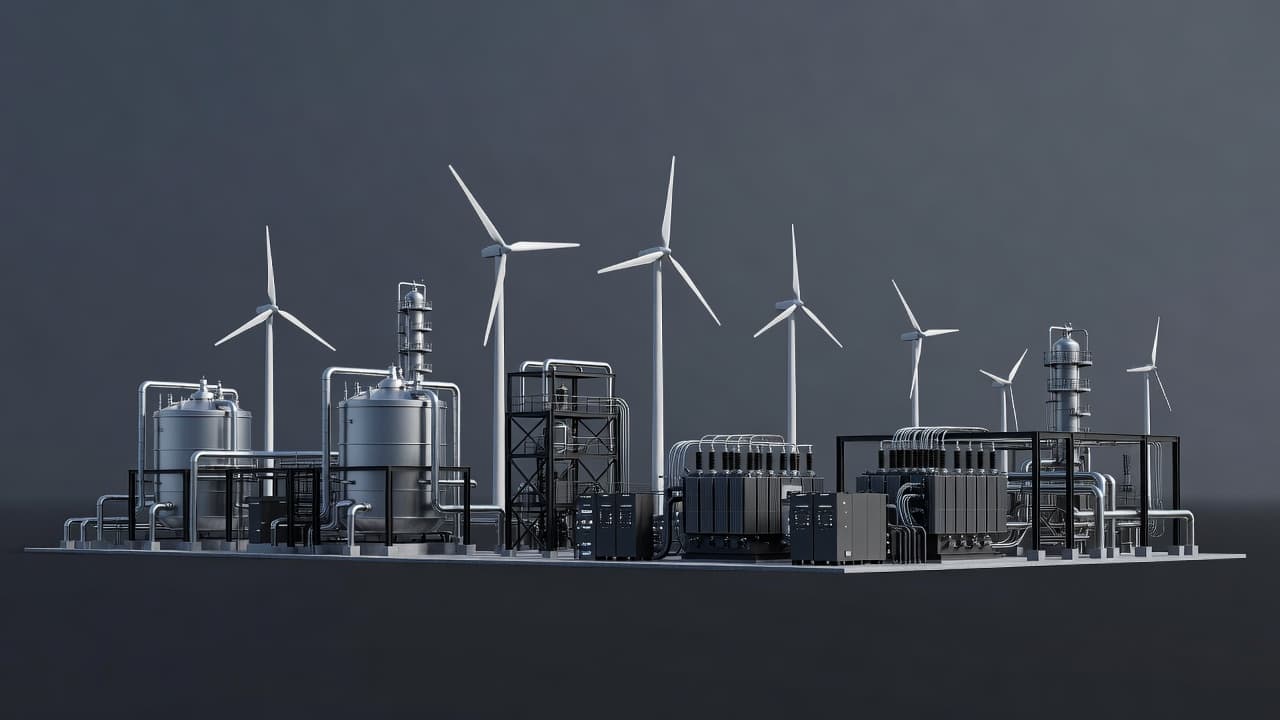
PetroChina's Renewable Electricity Cracker and Green Chemistry Procurement: What Buyers Should Watch
PetroChina's renewable electricity-powered olefin project reflects a growing trend toward lower-carbon petrochemical production. Procurement teams focused on Scope 3 emissions should understand how projects like this can influence future sourcing strategies and supplier verification.

Net‑Zero Commitments Across the Chemical Industry: Promise Versus Reality
The chemical sector is racing to net‑zero, with pioneers like BASF, Dow, and Covestro setting ambitious timelines. Yet the translation from pledges to measurable emissions cuts remains uneven. This article examines the gap, the role of carbon capture, and how geopolitical shocks have reshaped short‑term targets.
Don't miss out on our updates! Subscribe to our newsletter now
We're committed to your privacy. Tradeasia uses the information you provide to us to contact you about our relevant content, products, and services. For more information, check out our privacy policy.