
 Biofuels have been gaining popularity over the past decade as a sustainable alternative to traditional fossil fuels. The production of biofuels requires a complex process that involves a variety of chemical reactions and processes. One such chemical that plays a crucial role in the production of biofuels is caustic soda flakes. In this blog, we will explore the role of caustic soda flakes in the production of biofuels and its contribution to clean energy
What are Caustic Soda Flakes?
Caustic soda flakes, also known as sodium hydroxide, are a highly versatile and widely used chemical in various industrial processes. It is produced through the process of electrolysis, in which a strong electric current is passed through saltwater to break it down into its components.
Sodium hydroxide is a white, crystalline, and highly soluble substance that is used as a strong base in numerous chemical reactions. It has a range of applications, including pulp and paper production, textile manufacturing, metal processing, and soap making. Due to its highly reactive and corrosive nature, sodium hydroxide must be handled with care and precaution.
The Role of Caustic Soda Flakes in Biofuel Production
Caustic soda flakes play a crucial role in the production of biofuels, particularly biodiesel. The production of biodiesel involves a chemical process called transesterification. Transesterification is a reaction between an alcohol, typically methanol, and a triglyceride, which is a type of fat or oil. The reaction requires a catalyst to speed up the process, and caustic soda flakes are commonly used as a catalyst in this process.
During transesterification, the caustic soda flakes react with the alcohol to form a solution of sodium methoxide. This solution acts as a catalyst in the reaction between the triglyceride and the alcohol, which results in the formation of biodiesel and glycerol. The caustic soda flakes also help to neutralize any acidic impurities that may be present in the fat or oil, which could interfere with the reaction.
The use of caustic soda flakes as a catalyst in the transesterification process has several advantages. It is cost-effective, efficient, and widely available. Caustic soda flakes are also easy to handle and store, and they have a long shelf life. Furthermore, caustic soda flakes are effective in breaking down a variety of fats and oils, which makes them versatile catalyst for biodiesel production.
The Benefits of Using Caustic Soda Flakes in Biofuel Production
The use of caustic soda flakes as a catalyst in the transesterification process has several advantages. It is cost-effective, efficient, and widely available. Caustic soda flakes are also easy to handle and store, and they have a long shelf life. Furthermore, caustic soda flakes are effective in breaking down a variety of fats and oils, which makes them a versatile catalyst for biodiesel production.
However, it is important to note that the use of caustic soda flakes in biodiesel production must be done with caution. Caustic soda flakes are highly corrosive and can cause severe burns and skin irritation. They must be handled with care and protective equipment must be worn. Additionally, the disposal of the by-products of the transesterification process, such as glycerol, must be done in an environmentally friendly manner.
Clean Energy Contribution of Caustic Soda Flakes
The production of biofuels using caustic soda flakes has significant contributions to clean energy. Biofuels are renewable and sustainable energy sources that offer several environmental benefits compared to traditional fossil fuels. When produced using caustic soda flakes, biofuels have even greater advantages because they can be made in a sustainable and environmentally friendly manner.
One of the key environmental benefits of biofuels produced using caustic soda flakes is the reduction in greenhouse gas emissions. Biofuels produce fewer emissions compared to traditional fossil fuels because they are made from renewable resources such as vegetable oils and animal fats. When burned, they release fewer greenhouse gases such as carbon dioxide and sulfur dioxide, which are the primary contributors to global warming and climate change.
The production of biofuels using caustic soda flakes has significant contributions to clean energy. Biofuels are renewable and sustainable energy sources that offer several environmental benefits compared to traditional fossil fuels. When produced using caustic soda flakes, biofuels have even greater advantages because they can be made in a sustainable and environmentally friendly manner.
One of the key environmental benefits of biofuels produced using caustic soda flakes is the reduction in greenhouse gas emissions. Biofuels produce fewer emissions compared to traditional fossil fuels because they are made from renewable resources such as vegetable oils and animal fats. When burned, they release fewer greenhouse gases such as carbon dioxide and sulfur dioxide, which are the primary contributors to global warming and climate change.
Another advantage of biofuels produced using caustic soda flakes is that they can help reduce dependence on imported oil. By producing biofuels domestically, countries can become less reliant on foreign oil and promote energy independence. This can help improve national security and reduce geopolitical tensions caused by the competition for energy resources.
Additionally, the production of biofuels using caustic soda flakes is a sustainable process that can have a positive impact on the environment. The by-products of the transesterification process, such as glycerol, can be used in other applications, such as soap making or as a fuel source. This reduces waste and promotes the efficient use of resources.
Moreover, caustic soda flakes can be produced using renewable energy sources such as solar or wind power. The use of renewable energy sources in the production of caustic soda flakes can significantly reduce the carbon footprint of the process. This makes biofuels produced using caustic soda flakes an even more environmentally friendly option for clean energy.
Conclusion
In conclusion, caustic soda flakes play a crucial role in the production of biofuels and contribute to clean energy. The sustainable and renewable nature of biofuels, along with the positive impact on the environment, make them an attractive alternative to traditional fossil fuels. With continued advancements in technology, the production of biofuels using caustic soda flakes is likely to become even more efficient and cost-effective.
Photo by rawpixel.com via https://www.freepik.com/
Biofuels have been gaining popularity over the past decade as a sustainable alternative to traditional fossil fuels. The production of biofuels requires a complex process that involves a variety of chemical reactions and processes. One such chemical that plays a crucial role in the production of biofuels is caustic soda flakes. In this blog, we will explore the role of caustic soda flakes in the production of biofuels and its contribution to clean energy
What are Caustic Soda Flakes?
Caustic soda flakes, also known as sodium hydroxide, are a highly versatile and widely used chemical in various industrial processes. It is produced through the process of electrolysis, in which a strong electric current is passed through saltwater to break it down into its components.
Sodium hydroxide is a white, crystalline, and highly soluble substance that is used as a strong base in numerous chemical reactions. It has a range of applications, including pulp and paper production, textile manufacturing, metal processing, and soap making. Due to its highly reactive and corrosive nature, sodium hydroxide must be handled with care and precaution.
The Role of Caustic Soda Flakes in Biofuel Production
Caustic soda flakes play a crucial role in the production of biofuels, particularly biodiesel. The production of biodiesel involves a chemical process called transesterification. Transesterification is a reaction between an alcohol, typically methanol, and a triglyceride, which is a type of fat or oil. The reaction requires a catalyst to speed up the process, and caustic soda flakes are commonly used as a catalyst in this process.
During transesterification, the caustic soda flakes react with the alcohol to form a solution of sodium methoxide. This solution acts as a catalyst in the reaction between the triglyceride and the alcohol, which results in the formation of biodiesel and glycerol. The caustic soda flakes also help to neutralize any acidic impurities that may be present in the fat or oil, which could interfere with the reaction.
The use of caustic soda flakes as a catalyst in the transesterification process has several advantages. It is cost-effective, efficient, and widely available. Caustic soda flakes are also easy to handle and store, and they have a long shelf life. Furthermore, caustic soda flakes are effective in breaking down a variety of fats and oils, which makes them versatile catalyst for biodiesel production.
The Benefits of Using Caustic Soda Flakes in Biofuel Production
The use of caustic soda flakes as a catalyst in the transesterification process has several advantages. It is cost-effective, efficient, and widely available. Caustic soda flakes are also easy to handle and store, and they have a long shelf life. Furthermore, caustic soda flakes are effective in breaking down a variety of fats and oils, which makes them a versatile catalyst for biodiesel production.
However, it is important to note that the use of caustic soda flakes in biodiesel production must be done with caution. Caustic soda flakes are highly corrosive and can cause severe burns and skin irritation. They must be handled with care and protective equipment must be worn. Additionally, the disposal of the by-products of the transesterification process, such as glycerol, must be done in an environmentally friendly manner.
Clean Energy Contribution of Caustic Soda Flakes
The production of biofuels using caustic soda flakes has significant contributions to clean energy. Biofuels are renewable and sustainable energy sources that offer several environmental benefits compared to traditional fossil fuels. When produced using caustic soda flakes, biofuels have even greater advantages because they can be made in a sustainable and environmentally friendly manner.
One of the key environmental benefits of biofuels produced using caustic soda flakes is the reduction in greenhouse gas emissions. Biofuels produce fewer emissions compared to traditional fossil fuels because they are made from renewable resources such as vegetable oils and animal fats. When burned, they release fewer greenhouse gases such as carbon dioxide and sulfur dioxide, which are the primary contributors to global warming and climate change.
The production of biofuels using caustic soda flakes has significant contributions to clean energy. Biofuels are renewable and sustainable energy sources that offer several environmental benefits compared to traditional fossil fuels. When produced using caustic soda flakes, biofuels have even greater advantages because they can be made in a sustainable and environmentally friendly manner.
One of the key environmental benefits of biofuels produced using caustic soda flakes is the reduction in greenhouse gas emissions. Biofuels produce fewer emissions compared to traditional fossil fuels because they are made from renewable resources such as vegetable oils and animal fats. When burned, they release fewer greenhouse gases such as carbon dioxide and sulfur dioxide, which are the primary contributors to global warming and climate change.
Another advantage of biofuels produced using caustic soda flakes is that they can help reduce dependence on imported oil. By producing biofuels domestically, countries can become less reliant on foreign oil and promote energy independence. This can help improve national security and reduce geopolitical tensions caused by the competition for energy resources.
Additionally, the production of biofuels using caustic soda flakes is a sustainable process that can have a positive impact on the environment. The by-products of the transesterification process, such as glycerol, can be used in other applications, such as soap making or as a fuel source. This reduces waste and promotes the efficient use of resources.
Moreover, caustic soda flakes can be produced using renewable energy sources such as solar or wind power. The use of renewable energy sources in the production of caustic soda flakes can significantly reduce the carbon footprint of the process. This makes biofuels produced using caustic soda flakes an even more environmentally friendly option for clean energy.
Conclusion
In conclusion, caustic soda flakes play a crucial role in the production of biofuels and contribute to clean energy. The sustainable and renewable nature of biofuels, along with the positive impact on the environment, make them an attractive alternative to traditional fossil fuels. With continued advancements in technology, the production of biofuels using caustic soda flakes is likely to become even more efficient and cost-effective.
Photo by rawpixel.com via https://www.freepik.com/Utilizing Caustic Soda Flakes in the Production of Biofuels and Clean Energy
 Biofuels have been gaining popularity over the past decade as a sustainable alternative to traditional fossil fuels. The production of biofuels requires a complex process that involves a variety of chemical reactions and processes. One such chemical that plays a crucial role in the production of biofuels is caustic soda flakes. In this blog, we will explore the role of caustic soda flakes in the production of biofuels and its contribution to clean energy
What are Caustic Soda Flakes?
Caustic soda flakes, also known as sodium hydroxide, are a highly versatile and widely used chemical in various industrial processes. It is produced through the process of electrolysis, in which a strong electric current is passed through saltwater to break it down into its components.
Sodium hydroxide is a white, crystalline, and highly soluble substance that is used as a strong base in numerous chemical reactions. It has a range of applications, including pulp and paper production, textile manufacturing, metal processing, and soap making. Due to its highly reactive and corrosive nature, sodium hydroxide must be handled with care and precaution.
The Role of Caustic Soda Flakes in Biofuel Production
Caustic soda flakes play a crucial role in the production of biofuels, particularly biodiesel. The production of biodiesel involves a chemical process called transesterification. Transesterification is a reaction between an alcohol, typically methanol, and a triglyceride, which is a type of fat or oil. The reaction requires a catalyst to speed up the process, and caustic soda flakes are commonly used as a catalyst in this process.
During transesterification, the caustic soda flakes react with the alcohol to form a solution of sodium methoxide. This solution acts as a catalyst in the reaction between the triglyceride and the alcohol, which results in the formation of biodiesel and glycerol. The caustic soda flakes also help to neutralize any acidic impurities that may be present in the fat or oil, which could interfere with the reaction.
The use of caustic soda flakes as a catalyst in the transesterification process has several advantages. It is cost-effective, efficient, and widely available. Caustic soda flakes are also easy to handle and store, and they have a long shelf life. Furthermore, caustic soda flakes are effective in breaking down a variety of fats and oils, which makes them versatile catalyst for biodiesel production.
The Benefits of Using Caustic Soda Flakes in Biofuel Production
The use of caustic soda flakes as a catalyst in the transesterification process has several advantages. It is cost-effective, efficient, and widely available. Caustic soda flakes are also easy to handle and store, and they have a long shelf life. Furthermore, caustic soda flakes are effective in breaking down a variety of fats and oils, which makes them a versatile catalyst for biodiesel production.
However, it is important to note that the use of caustic soda flakes in biodiesel production must be done with caution. Caustic soda flakes are highly corrosive and can cause severe burns and skin irritation. They must be handled with care and protective equipment must be worn. Additionally, the disposal of the by-products of the transesterification process, such as glycerol, must be done in an environmentally friendly manner.
Clean Energy Contribution of Caustic Soda Flakes
The production of biofuels using caustic soda flakes has significant contributions to clean energy. Biofuels are renewable and sustainable energy sources that offer several environmental benefits compared to traditional fossil fuels. When produced using caustic soda flakes, biofuels have even greater advantages because they can be made in a sustainable and environmentally friendly manner.
One of the key environmental benefits of biofuels produced using caustic soda flakes is the reduction in greenhouse gas emissions. Biofuels produce fewer emissions compared to traditional fossil fuels because they are made from renewable resources such as vegetable oils and animal fats. When burned, they release fewer greenhouse gases such as carbon dioxide and sulfur dioxide, which are the primary contributors to global warming and climate change.
The production of biofuels using caustic soda flakes has significant contributions to clean energy. Biofuels are renewable and sustainable energy sources that offer several environmental benefits compared to traditional fossil fuels. When produced using caustic soda flakes, biofuels have even greater advantages because they can be made in a sustainable and environmentally friendly manner.
One of the key environmental benefits of biofuels produced using caustic soda flakes is the reduction in greenhouse gas emissions. Biofuels produce fewer emissions compared to traditional fossil fuels because they are made from renewable resources such as vegetable oils and animal fats. When burned, they release fewer greenhouse gases such as carbon dioxide and sulfur dioxide, which are the primary contributors to global warming and climate change.
Another advantage of biofuels produced using caustic soda flakes is that they can help reduce dependence on imported oil. By producing biofuels domestically, countries can become less reliant on foreign oil and promote energy independence. This can help improve national security and reduce geopolitical tensions caused by the competition for energy resources.
Additionally, the production of biofuels using caustic soda flakes is a sustainable process that can have a positive impact on the environment. The by-products of the transesterification process, such as glycerol, can be used in other applications, such as soap making or as a fuel source. This reduces waste and promotes the efficient use of resources.
Moreover, caustic soda flakes can be produced using renewable energy sources such as solar or wind power. The use of renewable energy sources in the production of caustic soda flakes can significantly reduce the carbon footprint of the process. This makes biofuels produced using caustic soda flakes an even more environmentally friendly option for clean energy.
Conclusion
In conclusion, caustic soda flakes play a crucial role in the production of biofuels and contribute to clean energy. The sustainable and renewable nature of biofuels, along with the positive impact on the environment, make them an attractive alternative to traditional fossil fuels. With continued advancements in technology, the production of biofuels using caustic soda flakes is likely to become even more efficient and cost-effective.
Photo by rawpixel.com via https://www.freepik.com/
Biofuels have been gaining popularity over the past decade as a sustainable alternative to traditional fossil fuels. The production of biofuels requires a complex process that involves a variety of chemical reactions and processes. One such chemical that plays a crucial role in the production of biofuels is caustic soda flakes. In this blog, we will explore the role of caustic soda flakes in the production of biofuels and its contribution to clean energy
What are Caustic Soda Flakes?
Caustic soda flakes, also known as sodium hydroxide, are a highly versatile and widely used chemical in various industrial processes. It is produced through the process of electrolysis, in which a strong electric current is passed through saltwater to break it down into its components.
Sodium hydroxide is a white, crystalline, and highly soluble substance that is used as a strong base in numerous chemical reactions. It has a range of applications, including pulp and paper production, textile manufacturing, metal processing, and soap making. Due to its highly reactive and corrosive nature, sodium hydroxide must be handled with care and precaution.
The Role of Caustic Soda Flakes in Biofuel Production
Caustic soda flakes play a crucial role in the production of biofuels, particularly biodiesel. The production of biodiesel involves a chemical process called transesterification. Transesterification is a reaction between an alcohol, typically methanol, and a triglyceride, which is a type of fat or oil. The reaction requires a catalyst to speed up the process, and caustic soda flakes are commonly used as a catalyst in this process.
During transesterification, the caustic soda flakes react with the alcohol to form a solution of sodium methoxide. This solution acts as a catalyst in the reaction between the triglyceride and the alcohol, which results in the formation of biodiesel and glycerol. The caustic soda flakes also help to neutralize any acidic impurities that may be present in the fat or oil, which could interfere with the reaction.
The use of caustic soda flakes as a catalyst in the transesterification process has several advantages. It is cost-effective, efficient, and widely available. Caustic soda flakes are also easy to handle and store, and they have a long shelf life. Furthermore, caustic soda flakes are effective in breaking down a variety of fats and oils, which makes them versatile catalyst for biodiesel production.
The Benefits of Using Caustic Soda Flakes in Biofuel Production
The use of caustic soda flakes as a catalyst in the transesterification process has several advantages. It is cost-effective, efficient, and widely available. Caustic soda flakes are also easy to handle and store, and they have a long shelf life. Furthermore, caustic soda flakes are effective in breaking down a variety of fats and oils, which makes them a versatile catalyst for biodiesel production.
However, it is important to note that the use of caustic soda flakes in biodiesel production must be done with caution. Caustic soda flakes are highly corrosive and can cause severe burns and skin irritation. They must be handled with care and protective equipment must be worn. Additionally, the disposal of the by-products of the transesterification process, such as glycerol, must be done in an environmentally friendly manner.
Clean Energy Contribution of Caustic Soda Flakes
The production of biofuels using caustic soda flakes has significant contributions to clean energy. Biofuels are renewable and sustainable energy sources that offer several environmental benefits compared to traditional fossil fuels. When produced using caustic soda flakes, biofuels have even greater advantages because they can be made in a sustainable and environmentally friendly manner.
One of the key environmental benefits of biofuels produced using caustic soda flakes is the reduction in greenhouse gas emissions. Biofuels produce fewer emissions compared to traditional fossil fuels because they are made from renewable resources such as vegetable oils and animal fats. When burned, they release fewer greenhouse gases such as carbon dioxide and sulfur dioxide, which are the primary contributors to global warming and climate change.
The production of biofuels using caustic soda flakes has significant contributions to clean energy. Biofuels are renewable and sustainable energy sources that offer several environmental benefits compared to traditional fossil fuels. When produced using caustic soda flakes, biofuels have even greater advantages because they can be made in a sustainable and environmentally friendly manner.
One of the key environmental benefits of biofuels produced using caustic soda flakes is the reduction in greenhouse gas emissions. Biofuels produce fewer emissions compared to traditional fossil fuels because they are made from renewable resources such as vegetable oils and animal fats. When burned, they release fewer greenhouse gases such as carbon dioxide and sulfur dioxide, which are the primary contributors to global warming and climate change.
Another advantage of biofuels produced using caustic soda flakes is that they can help reduce dependence on imported oil. By producing biofuels domestically, countries can become less reliant on foreign oil and promote energy independence. This can help improve national security and reduce geopolitical tensions caused by the competition for energy resources.
Additionally, the production of biofuels using caustic soda flakes is a sustainable process that can have a positive impact on the environment. The by-products of the transesterification process, such as glycerol, can be used in other applications, such as soap making or as a fuel source. This reduces waste and promotes the efficient use of resources.
Moreover, caustic soda flakes can be produced using renewable energy sources such as solar or wind power. The use of renewable energy sources in the production of caustic soda flakes can significantly reduce the carbon footprint of the process. This makes biofuels produced using caustic soda flakes an even more environmentally friendly option for clean energy.
Conclusion
In conclusion, caustic soda flakes play a crucial role in the production of biofuels and contribute to clean energy. The sustainable and renewable nature of biofuels, along with the positive impact on the environment, make them an attractive alternative to traditional fossil fuels. With continued advancements in technology, the production of biofuels using caustic soda flakes is likely to become even more efficient and cost-effective.
Photo by rawpixel.com via https://www.freepik.com/Related Insights
Myristic Acid and Palmitic Acid: The Underappreciated Oleochemicals Driving Soap Quality
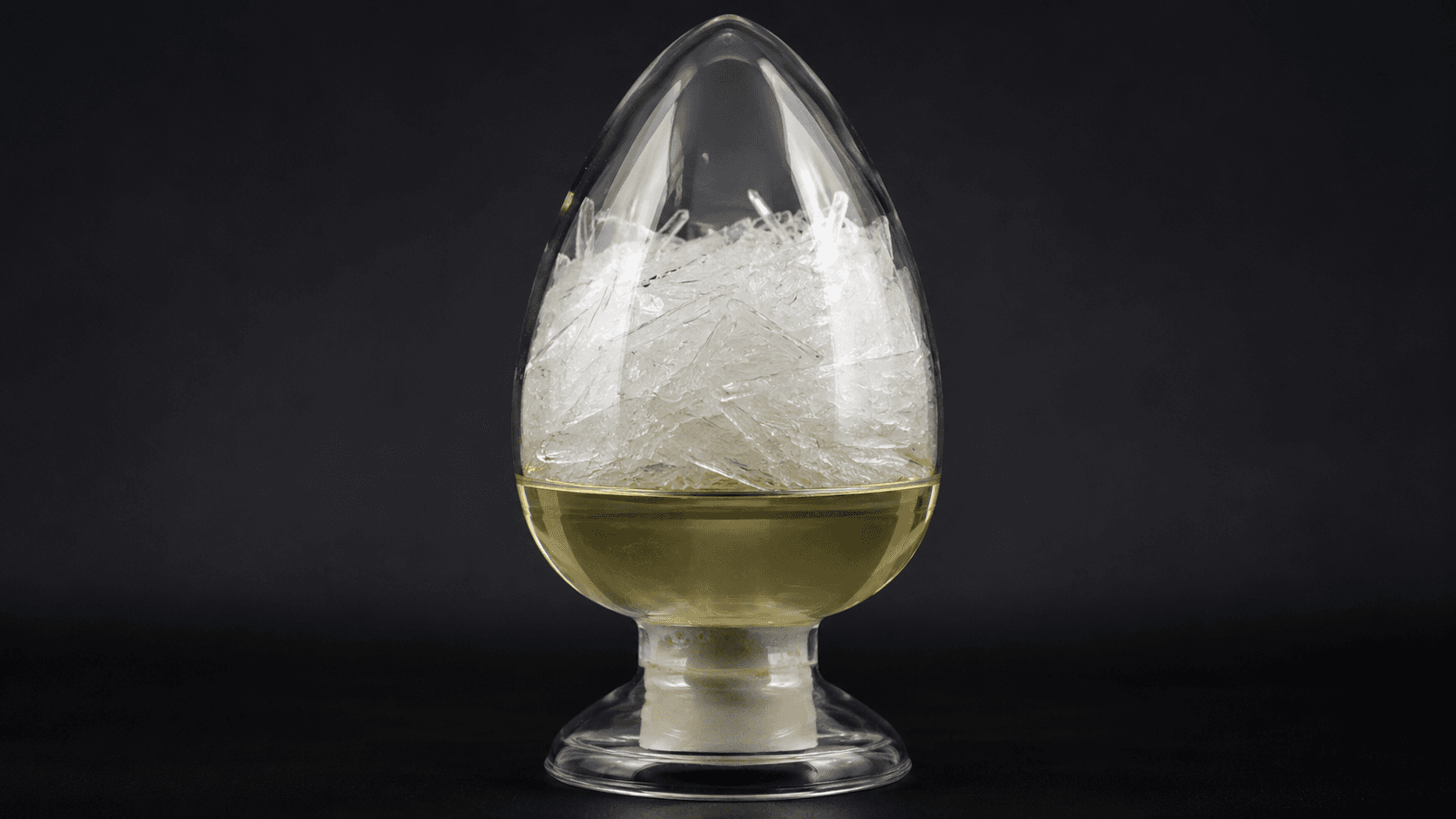
Myristic acid and palmitic acid rarely receive the attention given to stearic acid, yet they play a critical role in soap performance. As demand for bio-based ingredients rises and sustainability requirements tighten, these fatty acids are becoming increasingly important across the global oleochemical industry.

Instant Noodle Frying Optimization with Sodium CMC for Texture Control
Discover how sodium CMC improves instant noodle frying by reducing oil absorption, stabilizing pore structure, and delivering a firm noodle texture.

Mastering Har Gow: Premium Wheat Starch for Translucent Wrappers
How premium wheat starch creates translucent, elastic Har Gow wrappers through controlled gelatinization, rheology, and process management.
Flakes vs. Powder: Logistical Handling of Benzoic Acid
Compare benzoic acid flakes and powder for storage, safety, dust risk, dissolution speed, and transport stability to select the right grade.

Lower Glycemic Response Compared to Polished Rice: Functional Advantages of Red Rice
Red rice supports metabolic health, controlled digestion, and premium texture in clean label and functional food applications.

Leveraging Calcium Carbonate for Healthy Livestock
The foundation of a productive and healthy farming operation is livestock nutrition. For farmers and ranchers, maintaining the welfare of their animals is essential to sustainable agriculture and not merely a moral issue. In this blog, we examine calcium carbonate, a crucial component that improves
Don't miss out on our updates! Subscribe to our newsletter now
We're committed to your privacy. Tradeasia uses the information you provide to us to contact you about our relevant content, products, and services. For more information, check out our privacy policy.