The personal care and household cleaning industries are at an important decision point. During the first half of 2026, higher Linear Alkylbenzene Sulphonic Acid (LABSA) prices encouraged many manufacturers to evaluate biosurfactants as commercially viable alternatives.
Now, as Gulf n-paraffin supplies gradually recover and LABSA prices begin to stabilize, companies that started biosurfactant qualification programs have a limited opportunity to complete their evaluations before market economics potentially shift again.
While pricing remains an important consideration, long-term sustainability goals, regulatory expectations, and supply chain resilience continue to support growing interest in renewable surfactants.

Why Biosurfactants Gained Attention
Biosurfactants are surface-active compounds produced from renewable biological resources rather than traditional petrochemical feedstocks.
Compared with many conventional surfactants, biosurfactants may offer advantages such as:
Renewable raw materials
High biodegradability
Mild performance for skin-contact products
Reduced environmental impact
Compatibility with sustainable product formulations
As conventional surfactant costs increased during 2026, many manufacturers found it commercially worthwhile to accelerate biosurfactant evaluations.
The Role of LABSA in Cleaning Products
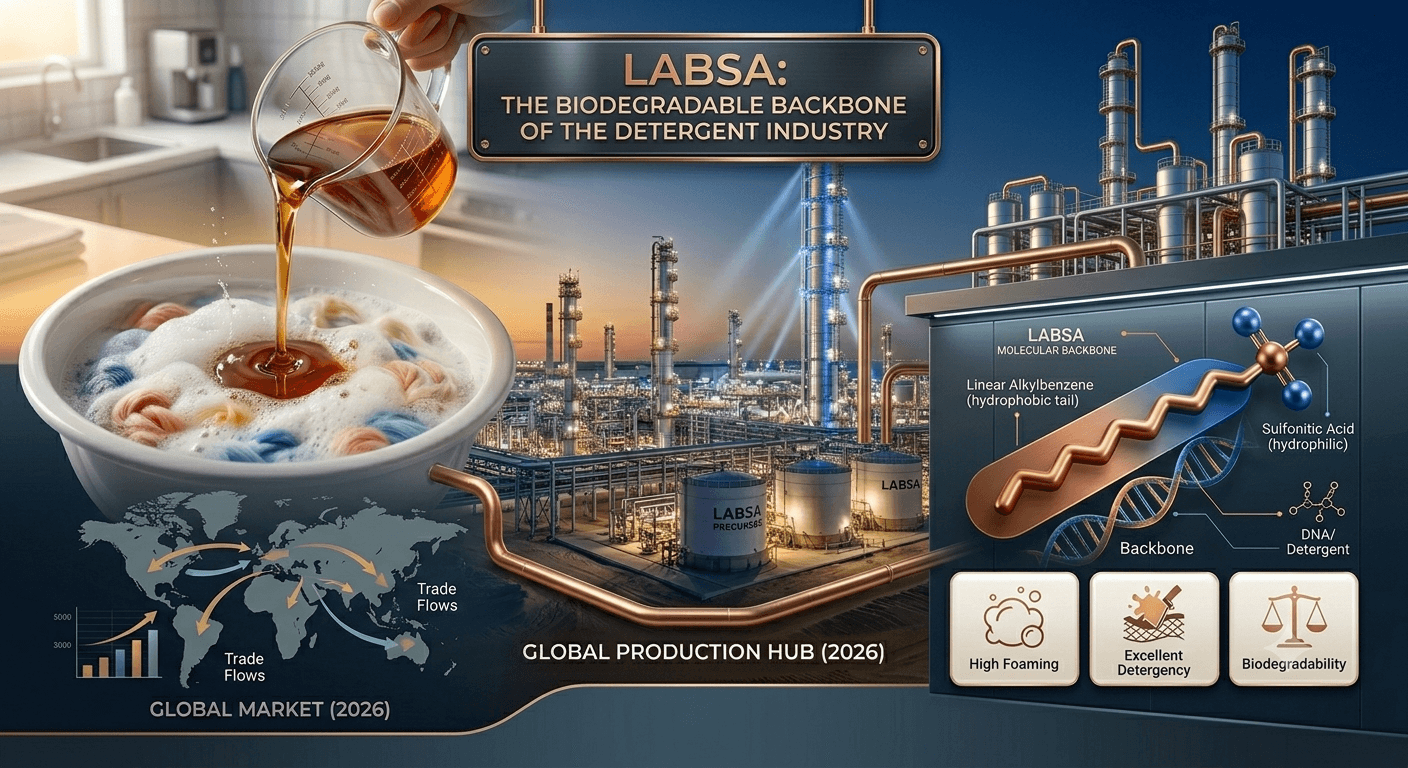
LABSA remains one of the world's most widely used anionic surfactants.
It is commonly found in:
Laundry detergents
Dishwashing liquids
Household cleaners
Industrial cleaning products
Institutional hygiene solutions
Its popularity comes from:
Strong cleaning efficiency
Reliable foaming performance
Broad formulation compatibility
Established global supply networks
Competitive production costs
Because LABSA is a core ingredient in many formulations, changes in its price can significantly affect manufacturing economics.
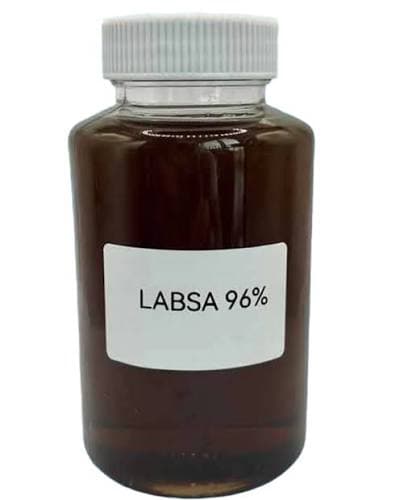
Linear Alkylbenzene Sulfonic Acid (90%) - India CAS: 27176-87-0
Why Market Conditions Are Changing
Improving availability of Gulf feedstocks could gradually increase production of LAB and LABSA during the second half of 2026.
As supply conditions normalize, manufacturers may experience:
Greater raw material availability
More competitive supplier pricing
Reduced supply uncertainty
Improved procurement flexibility
Lower conventional surfactant costs could reduce the immediate financial incentive for switching to biosurfactants based solely on price.
Beyond Cost: The Long-Term Value of Biosurfactants
Even if conventional surfactant prices moderate, biosurfactants continue to offer strategic advantages.
These include:
Sustainability
Renewable feedstocks can support corporate environmental objectives and product sustainability initiatives.
Product Differentiation
Consumers increasingly seek products formulated with environmentally responsible ingredients.
Supply Chain Diversification
Using multiple raw material sources may improve resilience against future petrochemical supply disruptions.
Innovation
Biosurfactants can support the development of premium personal care and household cleaning formulations.
Why Qualification Matters
Introducing a new surfactant into commercial production requires extensive technical evaluation.
Qualification typically includes:
Cleaning performance testing
Foam stability evaluation
Formulation compatibility
Stability studies
Microbiological assessment
Regulatory review
Consumer performance testing
Manufacturing validation
Completing these activities before future procurement decisions can help companies respond more quickly to changing market conditions.
Procurement Considerations
Manufacturers should evaluate biosurfactants using both financial and strategic criteria.
Key questions include:
Does the ingredient meet technical performance requirements?
Can suppliers provide consistent quality?
Is production capacity sufficient?
What are the long-term sustainability benefits?
How does the total cost of ownership compare?
Can formulations be scaled efficiently?
Considering these factors together provides a more balanced investment decision than focusing solely on current raw material prices.
Building a Flexible Sourcing Strategy
Rather than relying exclusively on either conventional or renewable surfactants, many manufacturers are exploring diversified sourcing strategies.
Benefits include:
Greater supply security
Improved procurement flexibility
Reduced raw material risk
Enhanced sustainability performance
Better response to future market volatility
Maintaining qualified alternative ingredients can improve resilience even when immediate commercial adoption is not planned.
Looking Ahead
The surfactant market continues to evolve as sustainability expectations, consumer preferences, and supply chain priorities reshape purchasing decisions.
While improving LABSA availability may influence short-term pricing, broader industry trends continue supporting investment in renewable and bio-based ingredients.
Companies that complete technical evaluations today will have greater flexibility when future procurement opportunities arise.
Final Thoughts
The current market transition provides an opportunity for manufacturers to finalize biosurfactant qualification programs while maintaining a balanced view of both commercial and sustainability objectives. Whether businesses ultimately choose conventional surfactants, renewable alternatives, or a combination of both, thorough technical evaluation and diversified sourcing strategies will remain essential for long-term competitiveness.