
Urea (Granular) - Egypt CAS: 57-13-6
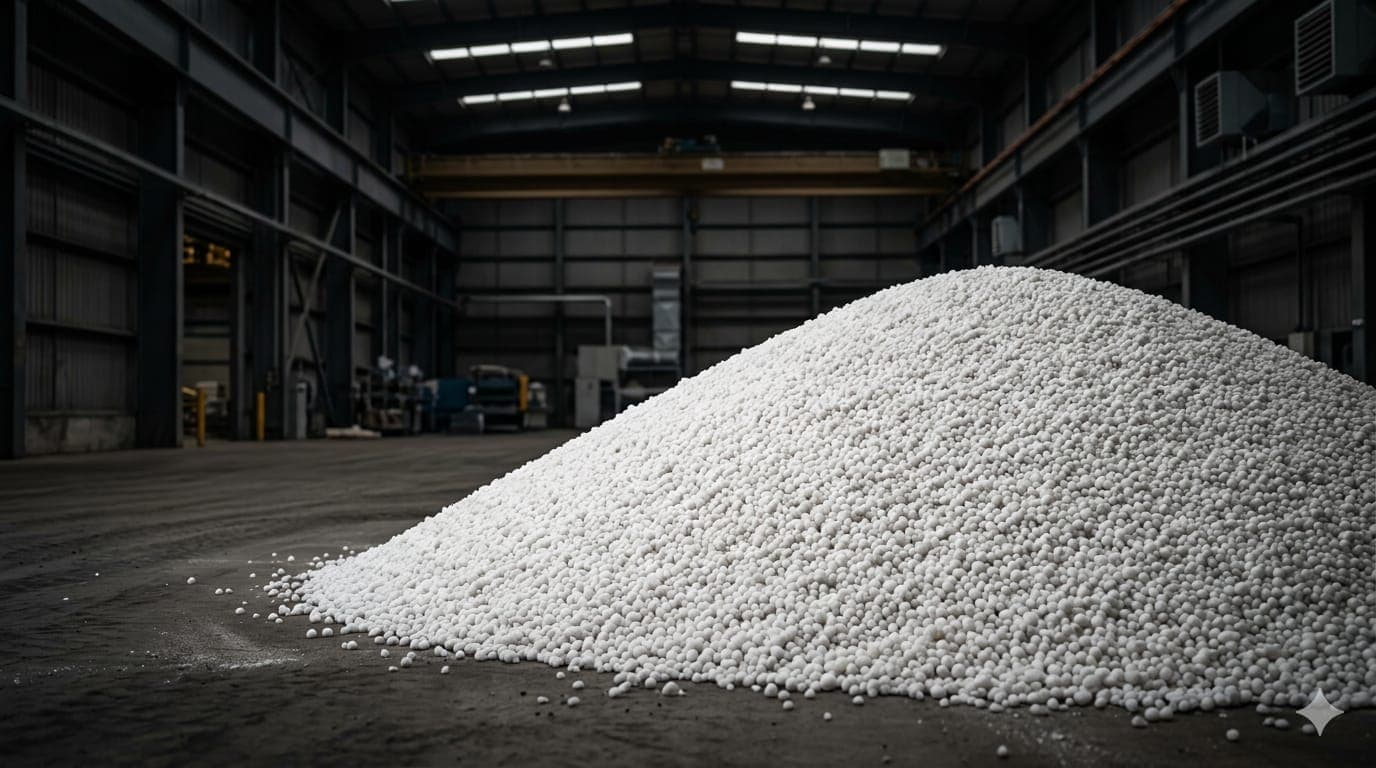
Urea (Granular) - Egypt CAS: 57-13-6

For the first time in decades, freight costs, insurance premiums and maritime disruptions have eclipsed production economics in shaping global fertilizer prices. This shift signals a new era where logistics economics dictate market dynamics more than crop demand or input costs.

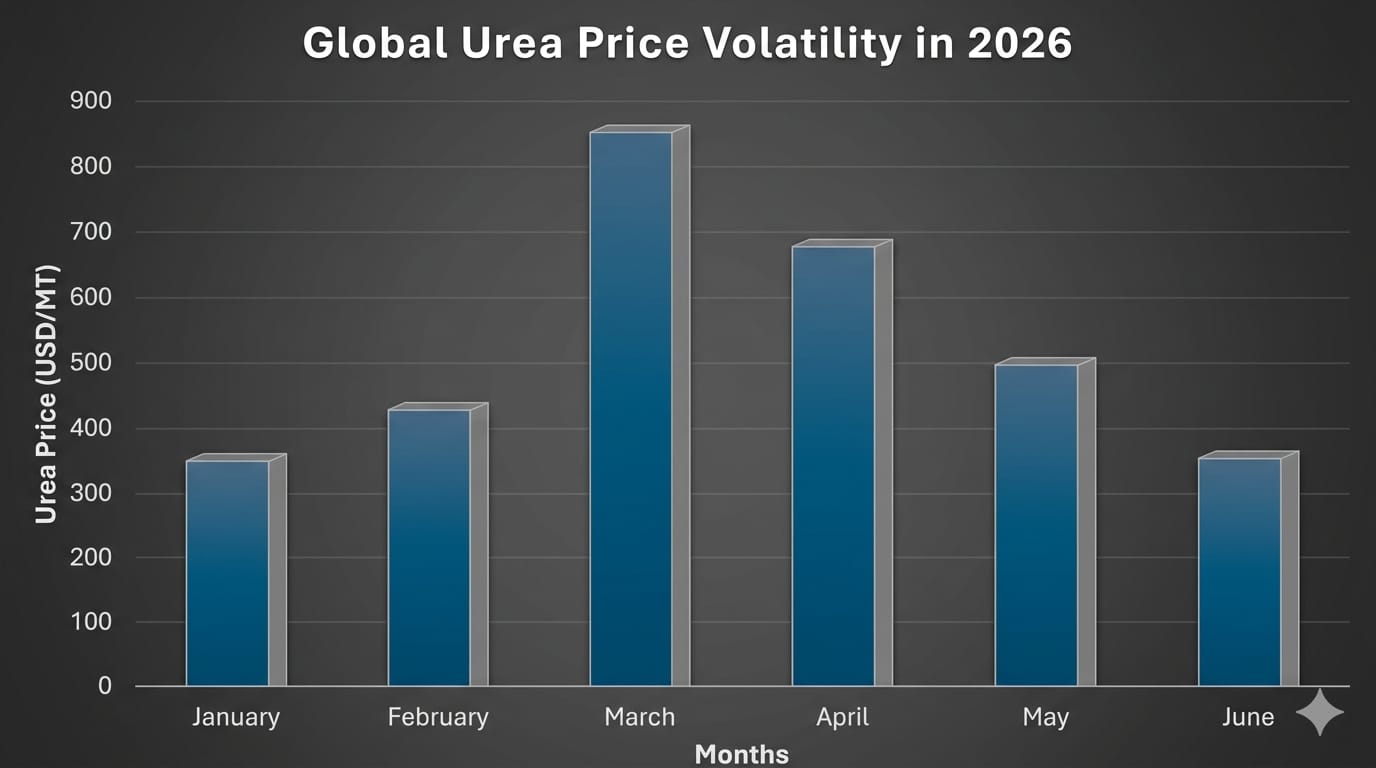
In early 2026 the global chemical market saw a dramatic price spike during the Hormuz crisis, only to reverse course by April even before shipping lanes fully reopened. This article dissects the panic‑driven surge, the factors that triggered the drop, and the procurement intelligence lessons that can help buyers mitigate volatility.
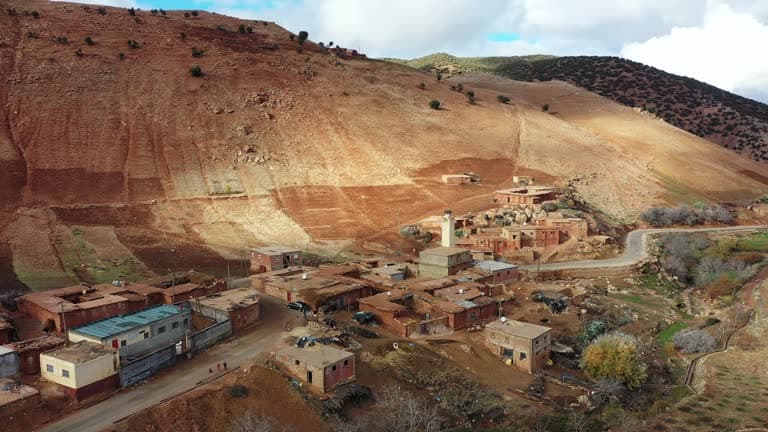
OCP Morocco’s July tender will determine the worldwide price benchmark for DAP and MAP fertilizers, shaping global supply dynamics for Q3 2026. The decision reflects rising phosphoric acid costs and a tightening phosphate market, offering buyers a clear reference point for future contracts.

Fertilizer buyers face a critical Q3 2026 contracting window as urea prices fall 37%, DAP prices correct, and Hormuz supply recovery begins. Procurement decisions now depend on shipping recovery, China’s export policy, and India’s tariff decisions.
Petrochemical markets entered Q3 2026 with uncertainty still dominating procurement decisions. From Hormuz shipping recovery to Chinese MTO output and European cracker utilization, five critical variables could reshape chemical prices over the coming months.

ChemCon Asia 2026 in Singapore is redefining chemical trade strategies across Asia, with a focus on CBAM compliance, ASEAN market dynamics, and supply chain resilience amid the Hormuz crisis. The event underscores sustainability as the new competitive edge.
We're committed to your privacy. Tradeasia uses the information you provide to us to contact you about our relevant content, products, and services. For more information, check out our privacy policy.
Download Our Mobile App


Contact us
Orion Tower One, 9th Floor, No. 736 Dr Danister de silva Mawatha Colombo 09, 00700, Sri Lanka
