Setting the Stage: ChemCon Asia 2026 in Singapore
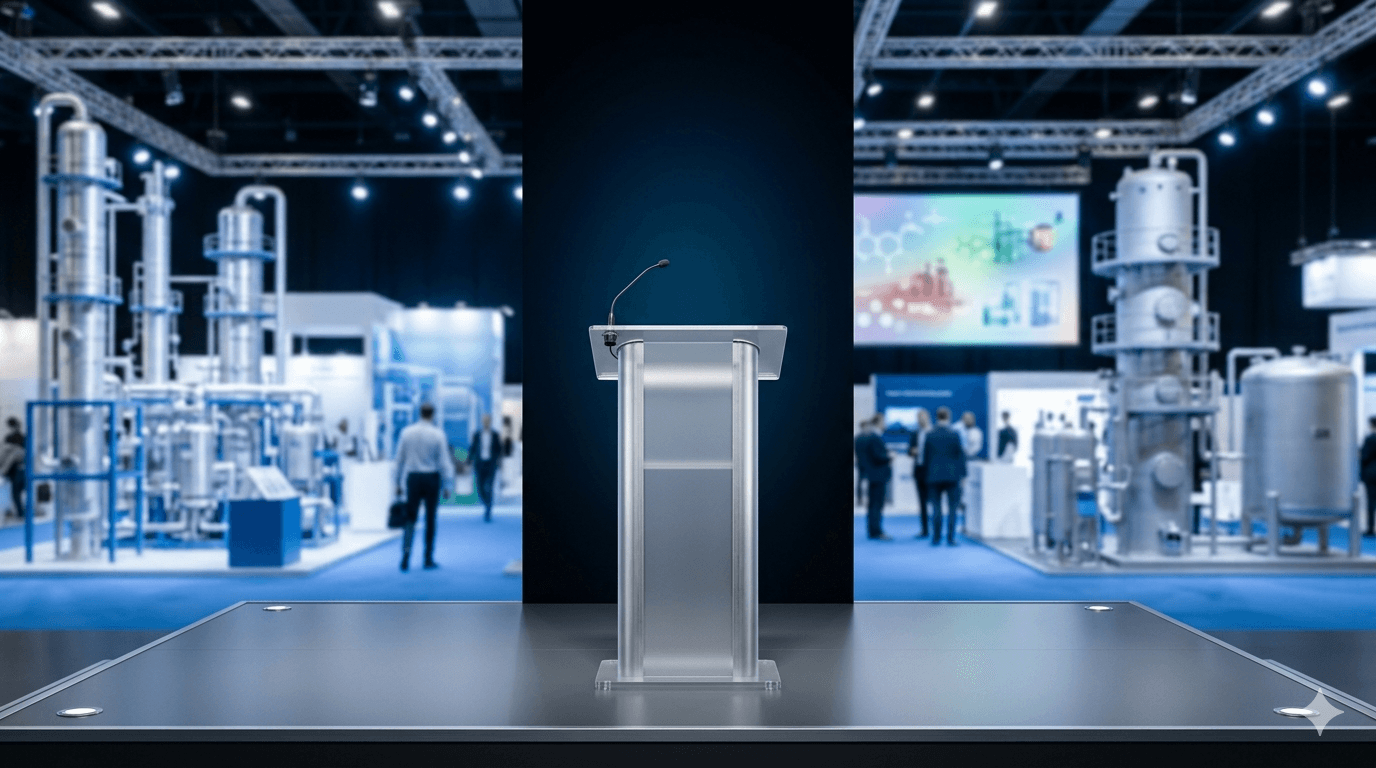
Singapore’s status as a leading chemical hub is reinforced every year, but the 2026 edition of ChemCon Asia has taken the spotlight to a new level. The conference, held in the heart of the island’s vibrant industrial precinct, attracted over 2,000 delegates from more than 40 countries. The agenda blended cutting‑edge science, regulatory updates, and pragmatic trade strategies, all geared toward the evolving landscape of chemical commerce in H2 2026.
Key Themes Driving the Conversation
While the event covered a broad spectrum, three themes emerged as the core drivers of discussion: CBAM compliance, ASEAN chemical market integration, and supply chain resilience in the face of geopolitical shocks. Each theme reflects a tangible challenge for companies looking to expand or sustain their market positions.
CBAM Compliance: The New Regulatory Frontier
The European Union’s Carbon Border Adjustment Mechanism (CBAM) has become a catalyst for shifting supply chains. Delegates discussed how the mechanism will affect Asian suppliers, especially those exporting to Europe. Key takeaways included:
Early Commitment: Companies are urged to disclose carbon footprints by 2024 to secure market access.
Technology Transfer: Singapore is positioning itself as a regional hub for low‑carbon catalyst development.
Cost‑Benefit Analysis: Workshops highlighted how CBAM can spur innovation rather than merely impose costs.
ASEAN Chemicals: A Cohesive Market Platform
The ASEAN Economic Community (AEC) has opened doors for integrated supply chains, yet inconsistencies in standards persist. The conference showcased:
Joint regulatory frameworks being drafted to harmonize safety and environmental standards.
Trade facilitation agreements that reduce paperwork and customs delays.
Cross‑border R&D initiatives to accelerate the development of sustainable feedstocks.
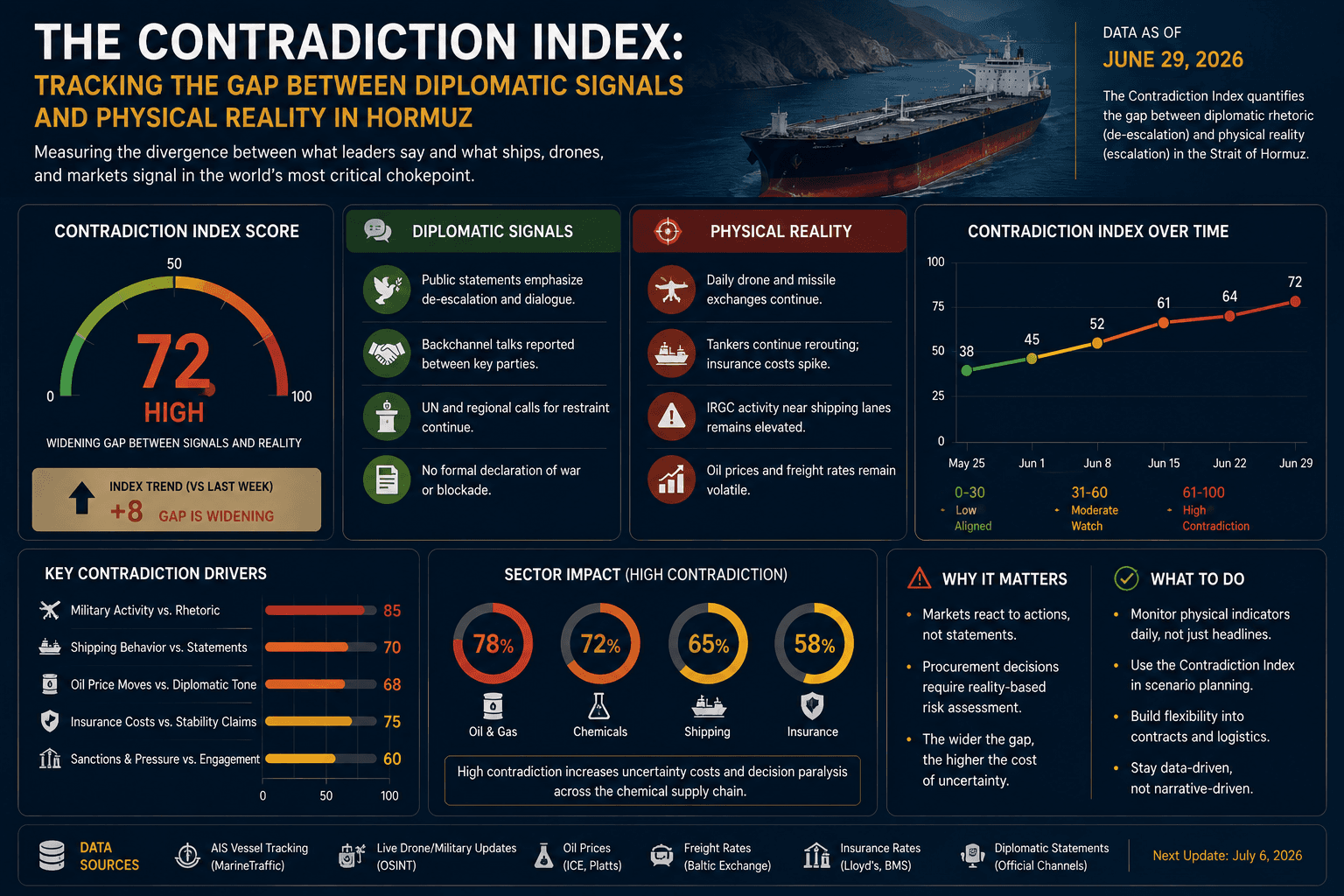
Supply Chain Resilience Amid the Hormuz Crisis
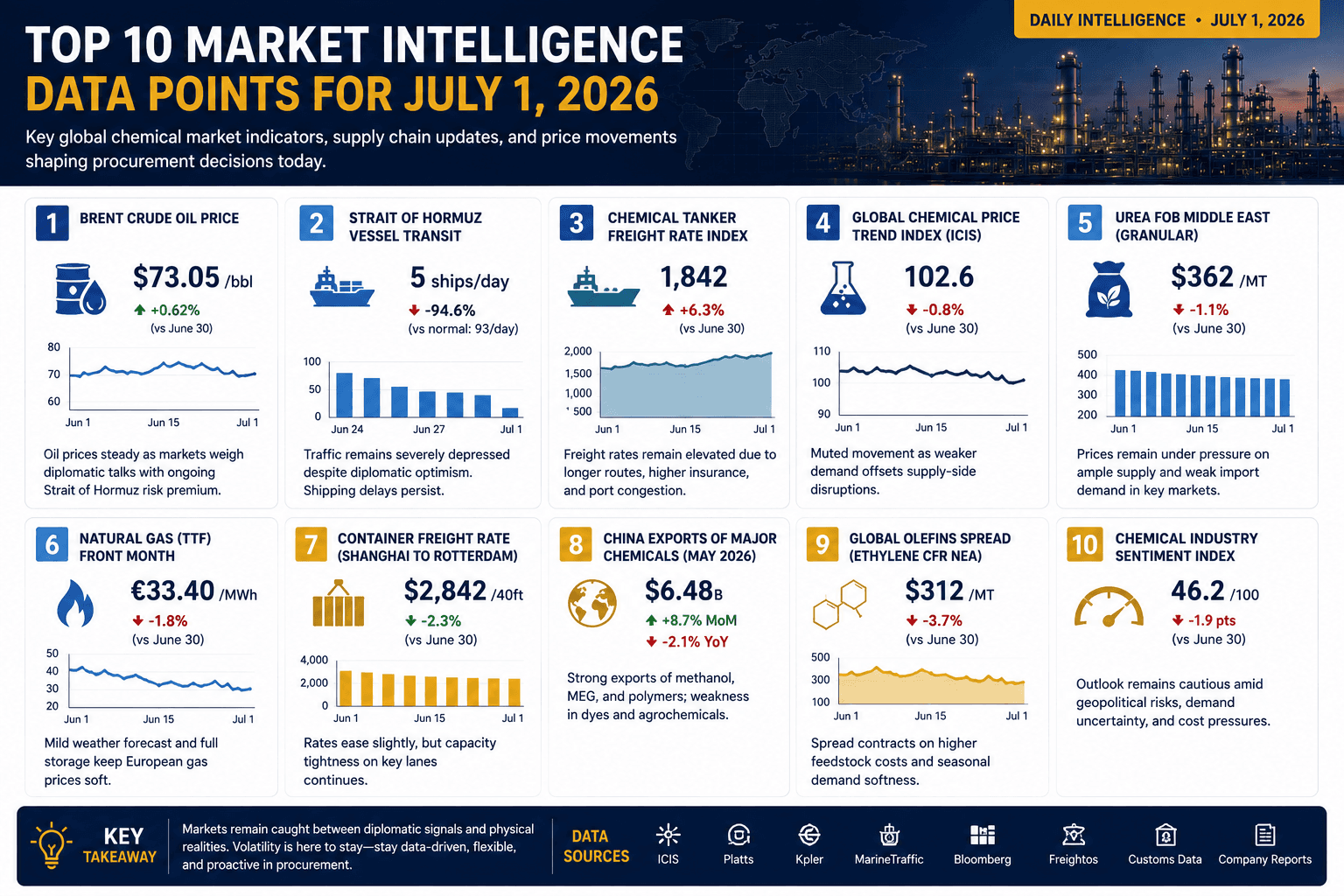
The ongoing supply disruptions stemming from the Hormuz Strait have forced industry leaders to rethink logistics. Session highlights:
Alternative shipping lanes and the role of the Singapore Port as a strategic redistribution point.
Inventory buffer strategies and just‑in‑time vs. just‑in‑case tradeoffs.
Digital twins and AI‑driven predictive analytics for real‑time risk assessment.
Spotlight on Sustainability: The New Competitive Edge
Sustainability was not a side topic; it was the core narrative. Speakers from both academia and industry emphasized that circularity, renewable feedstocks, and green chemistry are now prerequisites for competitive advantage. Highlights included:
Case studies of companies that transitioned to bio‑based solvents and saw a 15% cost reduction.
Panel discussions on the role of government incentives in accelerating the green shift.
Workshops on life‑cycle assessment tools tailored for small and medium enterprises.
Practical Takeaways for Your Chemical Trade Strategy
What does all this mean for your organization? Here are actionable steps distilled from the conference:
Audit your carbon emissions and develop a roadmap for CBAM compliance by 2024.
Engage with ASEAN trade partners to align on safety and environmental standards.
Invest in digital platforms that provide end‑to‑end visibility across your supply chain.
Explore partnerships with Singapore‑based research institutes to tap into low‑carbon catalyst innovation.
Prioritise sustainability in product development to capture the growing eco‑conscious market segment.
Conclusion: A Forward‑Looking Outlook
ChemCon Asia 2026 has once again proven that the chemical industry is at a pivotal juncture. With regulatory changes like CBAM, geopolitical uncertainties, and an accelerating sustainability mandate, companies must adapt quickly. Singapore’s role as a chemical hub is set to expand, offering a unique confluence of talent, infrastructure, and innovation that can help navigate these challenges.
By aligning with the trends highlighted at ChemCon Asia, businesses can position themselves not just to survive but to thrive in the dynamic chemical trade landscape of H2 2026 and beyond.