
Understanding Styrene Monomer
Styrene monomer, chemically represented as C8H8, is an aromatic hydrocarbon that serves as the fundamental raw material for a range of polymers, most notably polystyrene and styrene‑butadiene rubber. Its popularity stems from its versatility: it can be polymerized into rigid plastics, flexible foams, and high‑performance elastomers, making it indispensable across automotive, construction, packaging, and consumer goods.

The Styrene Production Process
The industrial synthesis of styrene is tightly linked to the petrochemical feedstock propylene. The most common route is the dehydration of cumene (isopropylbenzene), which occurs in two steps:
Oxidation of cumene to cumene hydroperoxide.
Cracking of cumene hydroperoxide to produce styrene and phenol.
Alternative methods, such as direct dehydrogenation of ethylbenzene or the use of bio‑derived feedstocks, are under research but still represent a small fraction of global output.
Key Uses of Styrene Monomer
Once produced, styrene monomer is fed into polymerization reactors. The main end‑products and their commercial uses are:
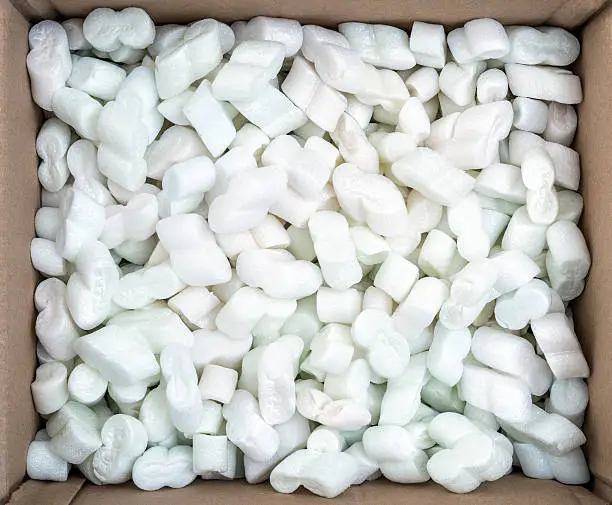
Polystyrene (PS) – lightweight, rigid plastic used for packaging, insulation, and disposable cutlery.
Styrene‑Butadiene Rubber (SBR) – a key component of automotive tires and industrial rubber goods.
Styrene‑Isoprene‑Styrene (SIS) – a block copolymer employed in adhesives, coatings, and flexible packaging.
Styrene‑Methacrylate Copolymers – used in high‑performance adhesives and specialty coatings.
Beyond polymers, styrene is also a precursor for many specialty chemicals, including dyes, resins, and solvents.
The Global Styrene Monomer Market
In 2025, the worldwide styrene market reached an estimated value of $35 billion, driven by strong demand from the automotive and construction sectors. Production is geographically concentrated: the United States, China, and the European Union account for roughly 70% of total output. Major suppliers include Sinopec, Dow Chemical, Shell, and LG Chem.
Market dynamics are influenced by several factors:
Raw material prices – fluctuations in propylene and crude oil directly impact styrene costs.
Regulatory environment – environmental standards for VOC emissions affect production processes.
Technological innovation – advances in catalyst efficiency and renewable feedstock utilization can shift supply curves.

Supply Disruptions in 2026: Causes and Consequences
In early 2026, the industry faced a series of supply shocks:
Unexpected shutdowns of cumene‑based plants in the U.S. Midwest due to severe corrosion incidents.
Regulatory delays in China’s new petrochemical licensing scheme, postponing the commissioning of several new styrene units.
A pandemic‑related labor shortage that slowed maintenance schedules worldwide.
These events led to a 12% rise in styrene prices and a temporary shortage of polystyrene raw material. Manufacturers of automotive tires and packaging plastics reported increased lead times and higher production costs.
Why the Styrene Market Matters to the Chemical Industry
Styrene monomer’s role as a cornerstone raw material means its availability directly influences the cost and supply chain stability of a wide array of consumer goods. Key reasons for its importance include:
Scale of Production – millions of tonnes of styrene are consumed annually, making it one of the top five petrochemical feedstocks.
Cross‑Industry Impact – disruptions affect automotive, construction, electronics, and packaging sectors simultaneously.
Innovation Driver – research into bio‑based styrene and greener production methods is reshaping the industry’s sustainability profile.
Strategies to Mitigate Future Disruptions
Companies and policymakers can adopt several measures:
Invest in catalyst development to increase cumene conversion efficiency and reduce by‑product formation.
Expand regional production hubs to diversify geographic risk.
Accelerate the adoption of bio‑derived feedstocks such as ethylbenzene from lignocellulosic biomass.
Enhance maintenance and monitoring systems to detect corrosion early.
Styrene Monomer CAS: 100-42-5