
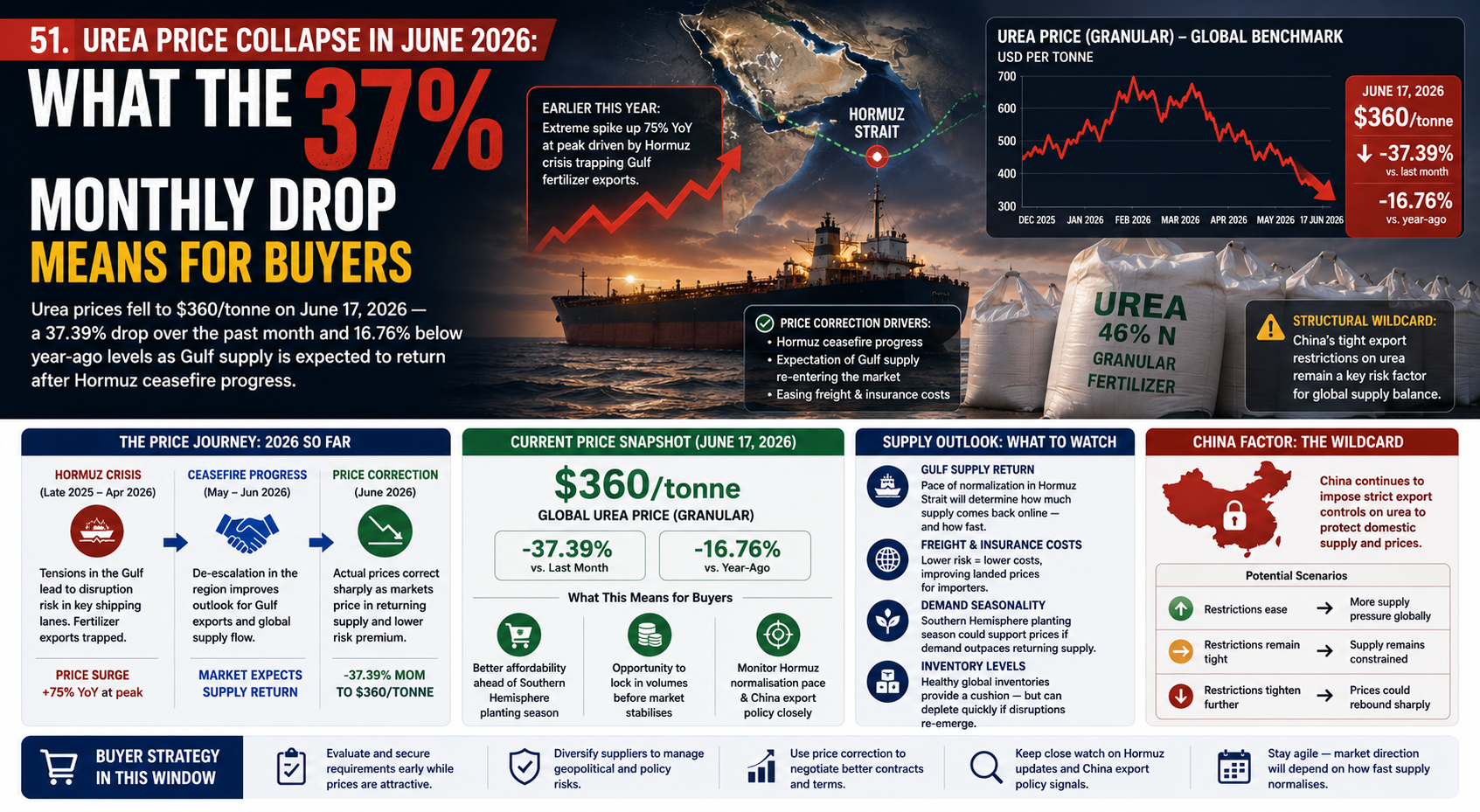
Urea (Granular) - Egypt CAS: 57-13-6
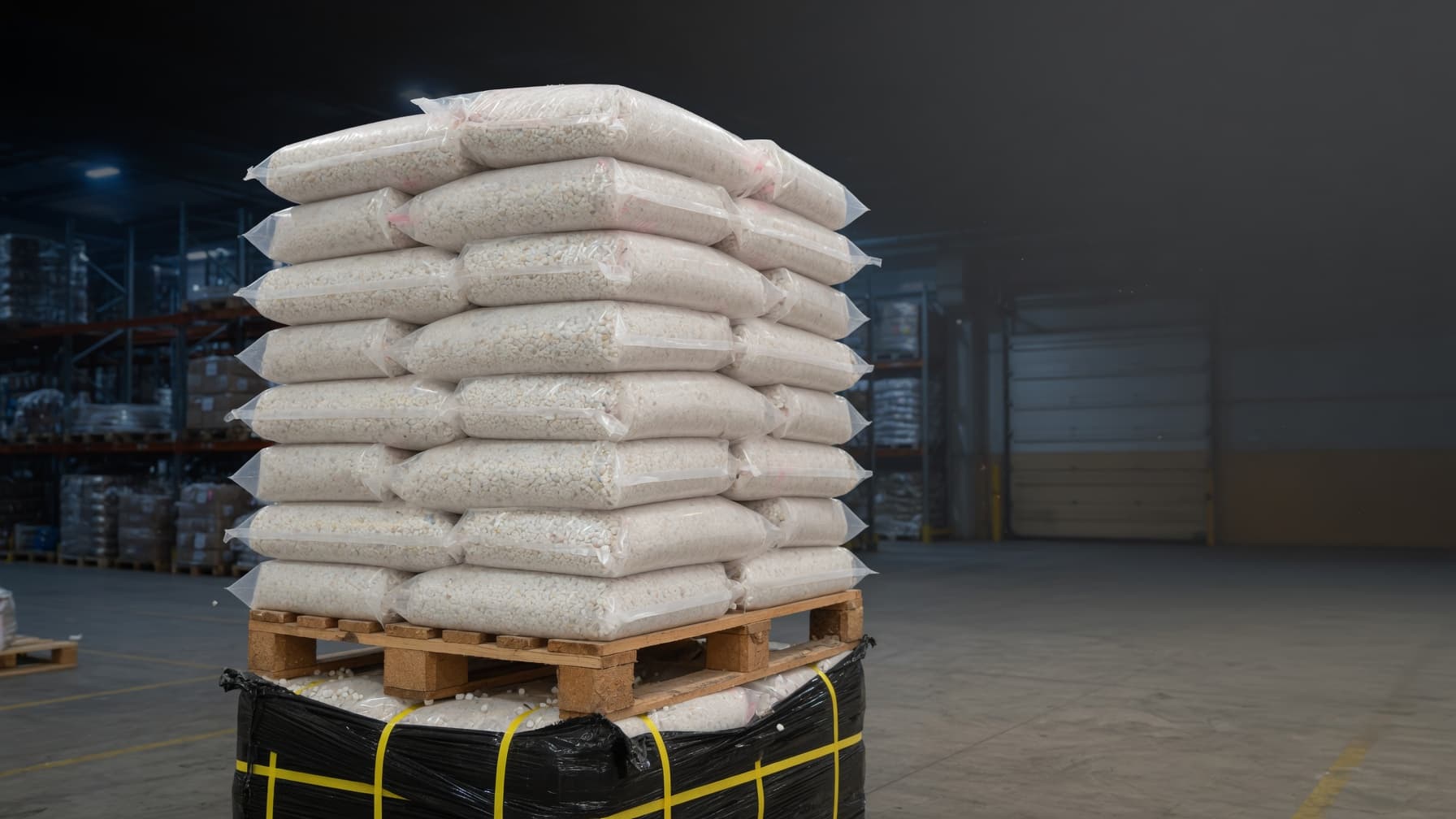
A petrochemical trader cautioned that raising prices significantly above 50 cents per pound could encourage previously exported low-priced material to return to the US market. The warning highlights how global arbitrage and pricing discipline continue to shape petrochemical trade flows.

China’s urea export limits and aggressive methanol-to-olefins (MTO) rates set the stage for 2026 chemical flows. July pricing decisions will reveal whether China will defend its crisis‑era share or recalibrate toward market balance. Global buyers must watch China’s export strategy closely.

After months of disruption, the Ras Tanura terminal has officially resumed operations, marking a pivotal moment for Saudi Arabia’s chemical export landscape. Trading Economics data now shows Gulf chemical exports climbing to 75% of pre‑war levels, a clear signal that supply chains are tightening and demand is returning.
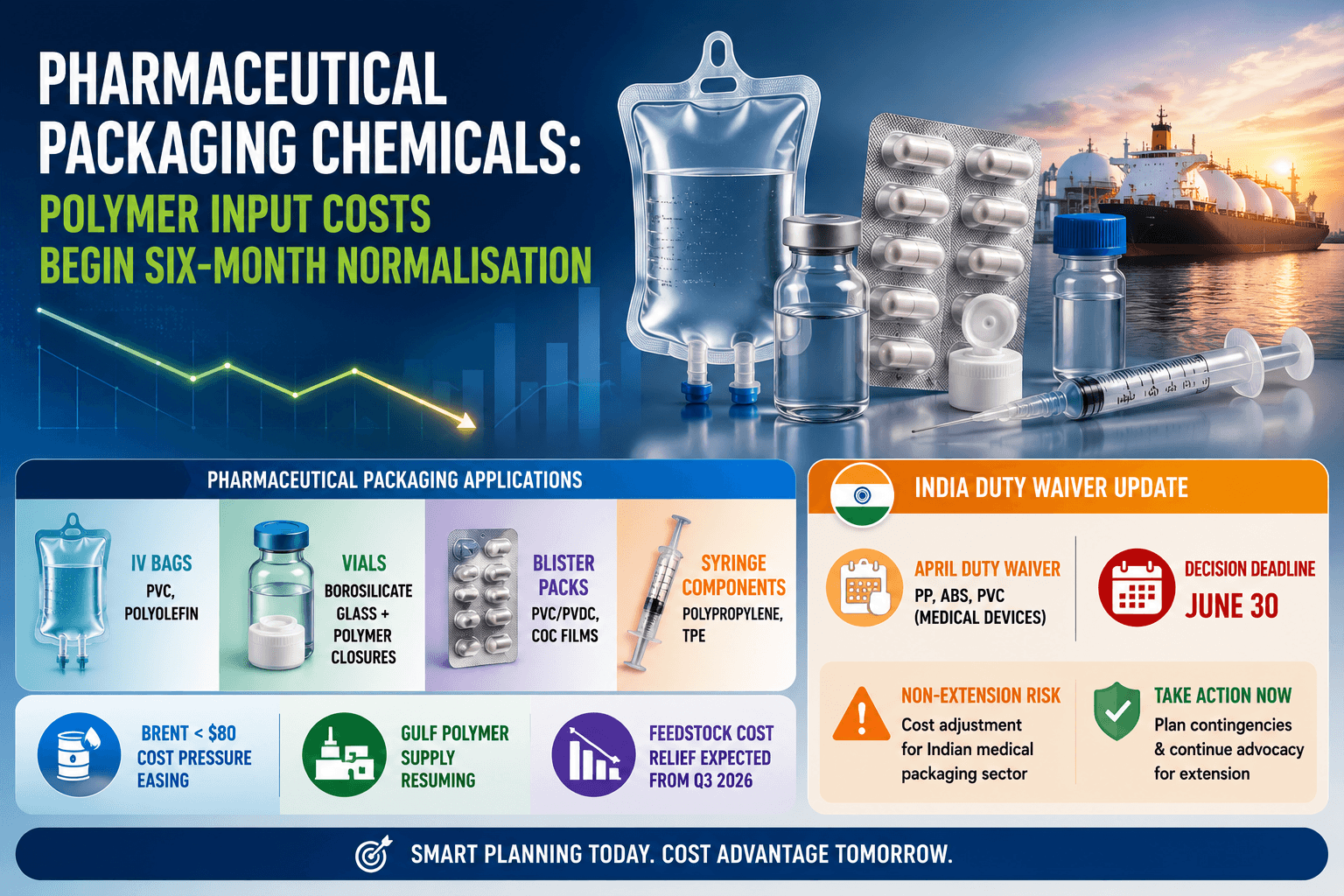
Pharmaceutical packaging costs are beginning to ease as Gulf polymer supply recovers and crude prices fall, but India’s June 30 duty waiver decision could quickly reverse cost relief for manufacturers dependent on Indian packaging components.
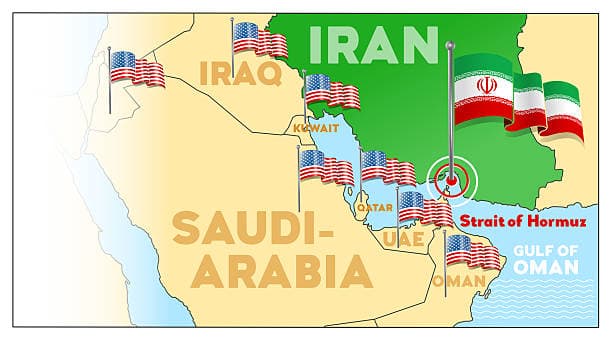
In June 2026, the US chemical scene was jolted by a strategic Hormuz MOU, the disruptive impact of Hurricane Arthur, the landmark Olin‑Huntsman merger, and the sudden INEOS Styrolution plant shutdown. These events reshaped supply chains and market dynamics across North America.

Palm oleochemical supply chains are improving, but food-grade glycerin buyers should expect continued market tightness through Q3.
We're committed to your privacy. Tradeasia uses the information you provide to us to contact you about our relevant content, products, and services. For more information, check out our privacy policy.