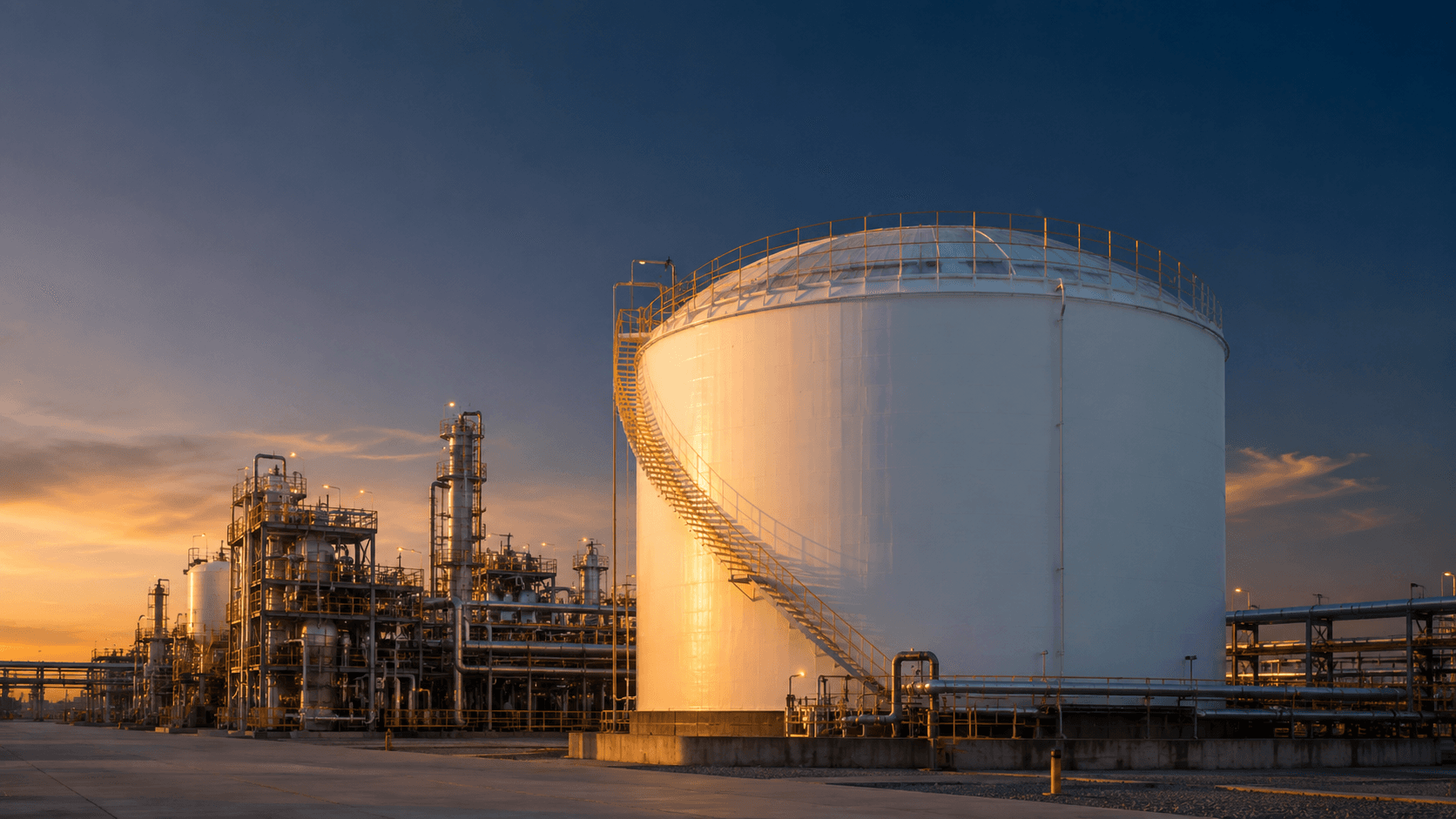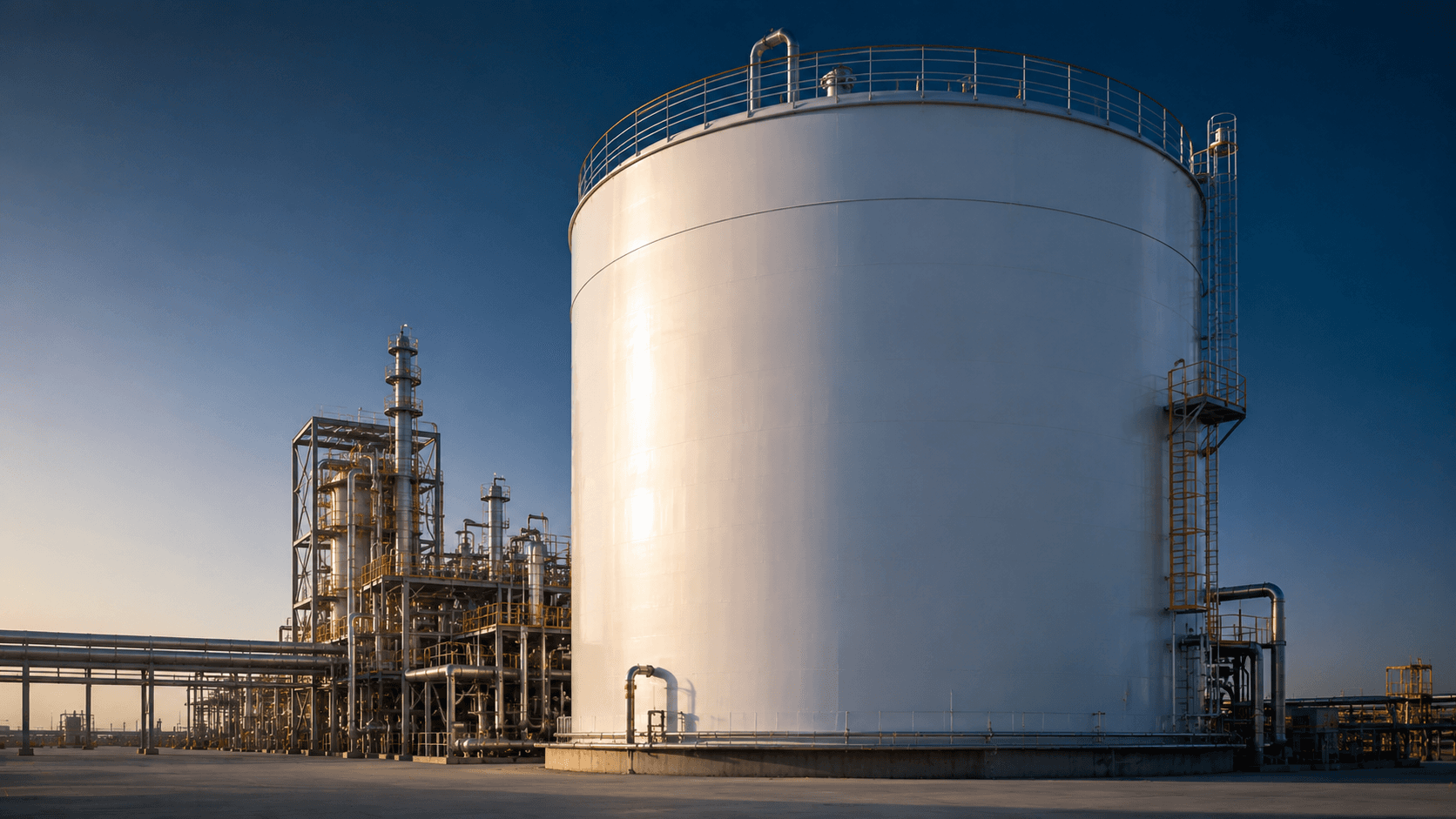
A single plant closure rarely changes the direction of a global commodity market. The shutdown of INEOS Styrolution's Channahon polystyrene facility in the United States is one of those exceptions.
The polystyrene market continues to face global oversupply, largely driven by capacity growth in Asia. Yet the removal of approximately 400,000 tonnes per year of production capacity from Channahon alters the regional balance in North America, creating new considerations for buyers, traders and distributors.
For procurement teams, the key question is not whether supply will disappear. It is how regional availability, import competition and producer strategies will influence sourcing decisions over the next several years.
Global Polystyrene Market Remains Highly Competitive
Polystyrene remains one of the world's most widely used thermoplastics. Manufacturers convert it into packaging materials, consumer products, insulation components and a broad range of industrial applications.
Despite stable end-use demand in many sectors, global production capacity has expanded faster than consumption. This imbalance has created sustained pressure on producer margins and has intensified competition among major suppliers.
Several factors continue to shape the market:
New Asian production capacity has increased export availability into international markets.
Regional demand growth has remained moderate rather than exceptional.
Producers face pressure to optimize operating rates and improve cost efficiency.
Buyers have gained greater leverage during contract negotiations in many regions.
Ranking the Top Polystyrene Producers Globally
The global polystyrene industry remains concentrated among a relatively small group of major producers with integrated styrene and polymer operations.
1. INEOS Styrolution
INEOS Styrolution remains the world's largest dedicated styrenics producer. The company operates a broad manufacturing network across North America, Europe and Asia.
Its portfolio includes facilities in Decatur, Alabama, Altamira, Mexico and numerous international production sites. Even after the Channahon shutdown, the company maintains a leading position in global polystyrene supply.
2. TotalEnergies
TotalEnergies holds a significant presence in styrenics and polystyrene production. Its integrated value chain supports reliable access to feedstocks and strengthens its position in key regional markets.
3. BASF
BASF remains a major participant in the styrenics sector through its extensive chemical manufacturing footprint. The company's scale and integration provide flexibility across changing market conditions.
4. Americas Styrenics
Americas Styrenics plays a critical role in North American supply. The company serves packaging, construction and consumer goods sectors throughout the region.
5. Chinese Producers Including SINOPEC and Chimei
Chinese manufacturers have expanded rapidly during the past decade. Capacity additions from major regional producers have significantly increased global availability and continue to influence international pricing trends.
Why the Channahon Closure Matters
The closure of the Channahon facility removes approximately 20% of INEOS Styrolution's North American polystyrene production capacity.
This reduction arrives at a time when producers already face difficult economics. Lower margins, intense competition and shifting demand patterns have encouraged companies to evaluate asset utilization more aggressively.
For North American buyers, the immediate effects include:
Reduced regional production flexibility during maintenance outages or unexpected disruptions.
Greater dependence on remaining domestic facilities and imported material.
Potentially tighter spot market availability during periods of stronger demand.
Increased attention to inventory planning and supplier diversification.
The closure does not automatically create a supply shortage. However, it reduces a significant buffer that previously supported regional supply security.
How Chinese Capacity Additions Continue to Influence Global Prices
Chinese producers have become one of the most important forces in the global polystyrene market.
Over the past several years, new investments have expanded production capacity substantially. As domestic producers increase output, export volumes often rise when local demand cannot absorb additional material.
This dynamic creates ongoing pricing pressure across international markets.
Even when regional supply tightens elsewhere, abundant Asian material often enters export channels and limits the magnitude of price increases. As a result, producers outside Asia face a challenging environment when attempting to restore margins through higher selling prices.
North American Polystyrene Buyers Face a New Supply Reality
North America remains an important market for polystyrene consumption, particularly in packaging, food service products, insulation materials and consumer applications.
The Channahon closure changes regional supply dynamics without fundamentally altering global market balances.
Procurement teams should monitor several developments:
Operating rates at remaining North American production facilities.
Import volumes arriving from Asia and other exporting regions.
Styrene monomer cost movements.
Freight rates and logistics conditions.
Inventory strategies adopted by major distributors.
Regional tightness may emerge periodically, especially during seasonal demand peaks or unexpected production interruptions. However, global oversupply limits the probability of a prolonged shortage environment.
Key Factors That Determine Polystyrene Prices
Polystyrene pricing depends on a combination of feedstock economics, regional supply conditions and international trade flows.
Among the most important drivers are:
Styrene Monomer Costs
Styrene remains the primary raw material used in polystyrene production. Changes in styrene pricing typically move through the value chain and influence finished resin costs.
Producer Operating Rates
When producers reduce operating rates to manage oversupply, available volumes can tighten temporarily and support pricing.
Import Competition
Imported material often serves as a balancing mechanism. Competitive imports can cap regional price increases and create additional purchasing options for buyers.
Energy and Logistics Costs
Production economics depend heavily on energy inputs and transportation expenses. Changes in freight costs frequently affect delivered resin prices.
Demand from Packaging and Construction
Packaging applications remain a major demand driver. Construction activity also influences consumption through insulation and building product markets.
Supply Chain Risks Procurement Teams Should Monitor
The current market offers buyers relatively strong negotiating power. Even so, procurement teams should avoid assuming that supply risks have disappeared.
Several vulnerabilities remain present:
Plant closures reduce redundancy within regional supply networks.
Weather-related disruptions can affect petrochemical operations and logistics infrastructure.
Trade policy changes may influence import economics.
Feedstock volatility can create sudden cost swings.
Port congestion and shipping delays can affect delivery schedules.
Companies that rely on a single supplier or region expose themselves to greater risk during unexpected disruptions.
Many sophisticated buyers now maintain multiple approved suppliers and evaluate sourcing alternatives across different geographic regions.
Trade Flows Are Becoming More Important Than Regional Production
The global polystyrene market increasingly functions as an interconnected trading system.
A supply reduction in one region no longer guarantees sustained price strength if alternative material remains available elsewhere. Traders can redirect cargoes, producers can target export markets and buyers can explore international sourcing options.
This reality explains why North American availability may tighten following the Channahon closure while broader global pricing remains under pressure.
For importers and distributors, trade intelligence becomes as important as monitoring local production capacity. Understanding where surplus material exists often creates purchasing advantages before competitors identify the opportunity.
Sustainability Pressures Are Influencing Long-Term Strategy
Environmental concerns continue to shape the future of polystyrene.
Governments, brand owners and consumers increasingly focus on recyclability, waste management and circular economy initiatives. Producers are responding through investments in recycling technologies and sustainability programs.
While these developments may not dramatically alter short-term supply balances, they will influence investment decisions and capacity planning over the coming decade.
Companies that adapt successfully to changing sustainability requirements will likely strengthen their competitive positions in future markets.
Looking Ahead to 2027
The most probable scenario for the global polystyrene market combines regional supply adjustments with continued international competition.
North America may experience tighter supply conditions than it did before the Channahon closure. However, ongoing capacity growth in Asia should continue to provide a significant source of export material.
Procurement teams should expect:
Moderate rather than dramatic price recovery.
Continued pressure from imported resin.
Greater focus on supply reliability.
Increased importance of supplier diversification.
Ongoing market consolidation efforts among producers.
The market's direction will depend less on a single facility closure and more on the balance between global capacity growth and actual demand expansion.
General-Purpose Polystyrene (GPPS) CAS: 9003-53-6