A new wave of polyethylene capacity is arriving in North America, and few projects have attracted as much attention as Golden Triangle Polymers. Scheduled to become one of the largest petrochemical project completions of 2026, the Texas complex has the potential to influence polyethylene pricing, trade flows and procurement strategies across multiple regions.
At the same time, market participants continue to monitor broader developments affecting global energy producers. Some analysts have raised questions about whether prolonged operational disruptions affecting LNG or petrochemical exports could influence future capital allocation decisions for major investors. While no confirmed changes to the Golden Triangle Polymers investment have been announced, procurement teams are watching these developments alongside the project's construction and startup milestones.
Why Golden Triangle Polymers Matters
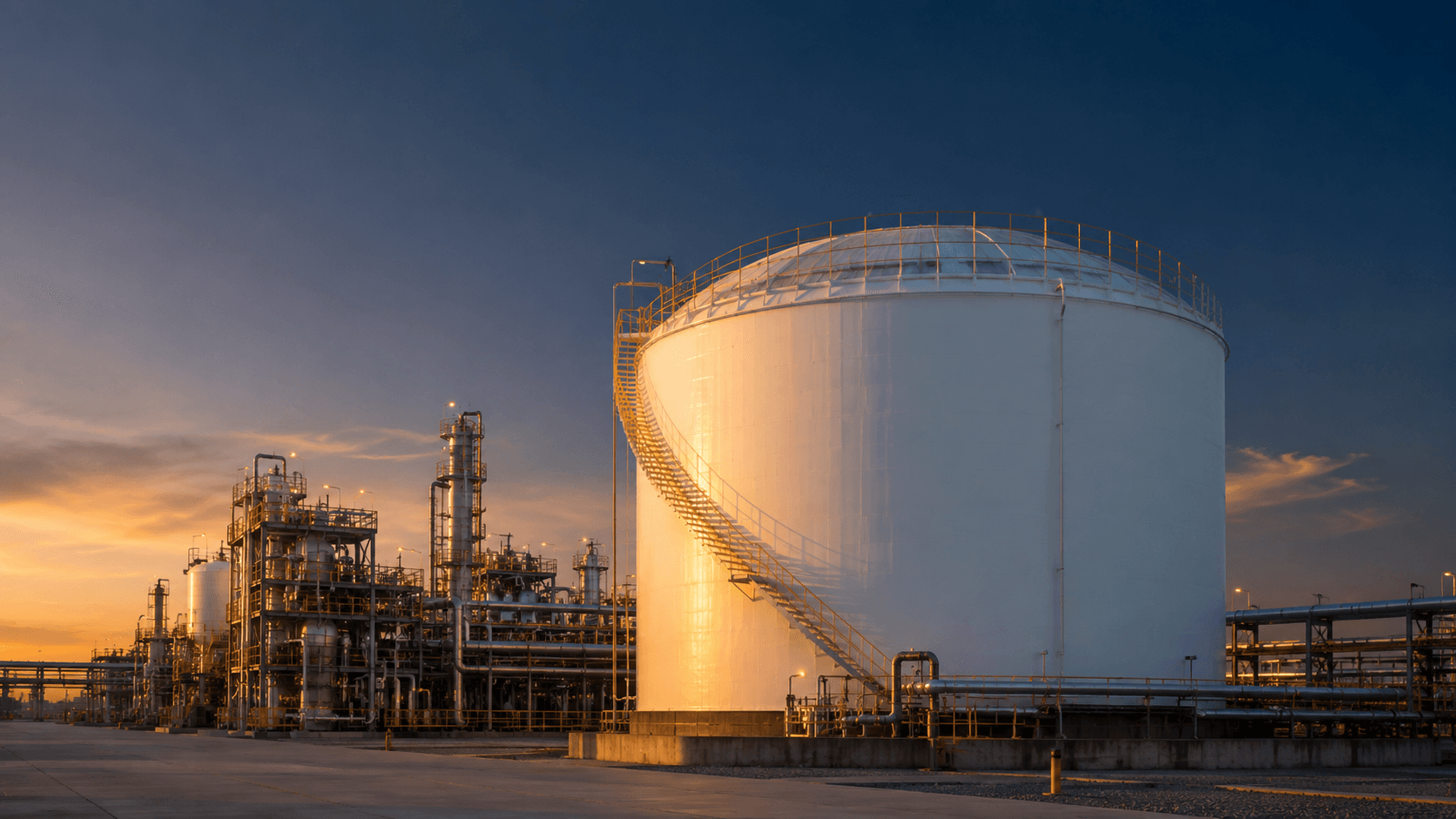
Golden Triangle Polymers is designed as a world scale petrochemical complex that combines an ethane cracker with downstream polyethylene production.
Its location on the US Gulf Coast provides direct access to competitively priced ethane feedstock, established export infrastructure and one of the world's largest petrochemical manufacturing clusters.
The project is expected to strengthen North America's position as a leading supplier of polyethylene while increasing production available for both domestic consumption and international exports.
How the Project Could Influence HDPE and LLDPE Supply
New production capacity often changes the balance between supply and demand.
As additional high density polyethylene (HDPE) and linear low density polyethylene (LLDPE) volumes enter the market, buyers may experience greater product availability compared with previous years.
Several outcomes could emerge.
Increased domestic supply may improve inventory levels across North America.
Export opportunities could expand as producers seek customers in Latin America, Europe and Asia.
Greater competition among suppliers may create more flexible contract negotiations for large industrial buyers.
Regional price differences could narrow as additional material becomes available.
These outcomes will ultimately depend on startup timing, operating rates and global demand growth.
The Capital Commitment Question
Large industrial projects often span several years and require significant investment before commercial production begins.
Because Golden Triangle Polymers represents an investment valued at approximately $8.5 billion, industry observers naturally monitor the financial health and strategic priorities of all participating companies.
Recent discussions within the market have considered whether prolonged disruptions affecting LNG or petrochemical exports could eventually influence capital allocation decisions for energy companies with international investment portfolios. At the time of writing, there is no public confirmation that QatarEnergy has altered its commitment to the Golden Triangle Polymers project. Even so, procurement professionals continue to follow project announcements because any unexpected change to construction schedules could affect future polyethylene availability.
Why Procurement Teams Are Paying Attention
For buyers, the biggest issue is not corporate financing itself.
The real concern is how project timing affects purchasing decisions, inventory planning and contract negotiations.
Companies purchasing polyethylene for packaging, consumer products, automotive components and industrial applications often negotiate contracts months before material delivery.
If additional production begins as expected, buyers could benefit from:
A wider supplier base for HDPE and LLDPE.
Improved bargaining power during annual procurement cycles.
Reduced dependence on imports from higher cost regions.
Better opportunities to diversify sourcing strategies.
These advantages become particularly valuable during periods of market volatility.

Global Trade Flows Could Shift Again
North America has steadily expanded its role as a polyethylene exporter over the past decade.
Additional production from Golden Triangle Polymers could reinforce that position.
Instead of serving only domestic customers, producers may increasingly target overseas markets where polyethylene demand continues to grow.
Potential destination regions include:
Southeast Asia, where packaging and consumer goods manufacturing continues to expand.
Latin America, where local production does not always meet demand.
Europe, depending on regional production economics and energy costs.
Africa, where plastics consumption continues to increase alongside industrial development.
Greater export availability could reshape traditional trade routes while increasing competition among global suppliers.
Price Dynamics Buyers Should Watch
Polyethylene prices rarely move because of one factor alone.
Instead, pricing reflects the interaction of feedstock costs, operating rates, freight expenses, inventory levels and end market demand.
Golden Triangle Polymers adds another important variable.
If the project reaches full production while demand grows more slowly than expected, additional supply could place downward pressure on prices in some markets.
If startup delays occur or global demand accelerates unexpectedly, prices could remain relatively firm despite the new capacity.
Buyers should therefore monitor:
Construction and commissioning updates.
Ethane and natural gas prices.
Shipping costs.
Regional inventory levels.
Manufacturing activity across key consuming industries.
Looking at these indicators together provides a clearer purchasing picture than relying on price movements alone.
Competition Across the Gulf Coast
The US Gulf Coast remains one of the world's most competitive petrochemical production regions.
Low cost feedstocks, experienced operators and extensive export infrastructure continue to attract investment from global producers.
Golden Triangle Polymers strengthens this competitive position by adding significant new polyethylene capacity to an already established manufacturing ecosystem.
As more producers compete for customers, buyers may benefit from broader supplier options and more competitive commercial terms.
Sustainability and Modern Manufacturing
New petrochemical facilities increasingly incorporate technologies that improve operational efficiency and reduce emissions compared with older plants.
Modern process controls, energy efficient equipment and optimized production systems can contribute to lower environmental impact per unit of product.
Although polyethylene demand remains closely linked to industrial growth, customers increasingly evaluate suppliers based on sustainability initiatives, operational reliability and responsible manufacturing practices.
Projects entering operation today must compete on more than production volume alone.
What Buyers Should Watch Through 2027
Golden Triangle Polymers represents more than another production facility.
It reflects the continuing evolution of global polyethylene supply at a time when manufacturers seek reliable feedstock, efficient logistics and competitive operating costs.
For procurement teams, the most practical approach is to follow confirmed project milestones rather than market speculation. Monitoring startup progress, supplier announcements and regional inventory trends will provide a stronger basis for purchasing decisions than reacting to rumors alone.
Whether the project reaches commercial operation exactly as planned or encounters the typical challenges associated with large industrial developments, its influence on HDPE and LLDPE markets will likely extend well beyond North America.
Ready to source polyethylene from verified global suppliers? Explore competitive offers on our platform today.
High Density Polyethylene (HDPE) CAS: 9002-88-4