

Triethanolamine (TEA): Surfactant, Emulsifier and pH Regulator for Cosmetics and Cement
Introduction
Triethanolamine (TEA) is one of the most versatile specialty chemicals used across multiple industries, ranging from personal care and cosmetics to construction materials and industrial formulations. Known for its multifunctional properties, TEA serves as a surfactant, emulsifier, pH regulator, and chemical intermediate, making it an indispensable ingredient in countless products used every day.
As manufacturers increasingly seek multifunctional additives that improve product performance while simplifying formulations, Triethanolamine continues to play a crucial role in both consumer and industrial applications. Whether enhancing the texture of skincare products or improving the efficiency of cement grinding operations, TEA delivers value across a broad spectrum of industries.
What Is Triethanolamine (TEA)?
Triethanolamine is an organic chemical compound produced through the reaction of ethylene oxide with ammonia. It appears as a colorless to pale yellow viscous liquid with a mild ammonia-like odor and is highly soluble in water.
Its unique chemical structure allows it to perform several functions simultaneously, including neutralization, emulsification, surfactant action, and pH adjustment. These properties have made it a widely used ingredient in personal care products, detergents, construction chemicals, metalworking fluids, and textile processing.
Key Properties of Triethanolamine
Excellent pH control capabilities.
Effective emulsifying properties.
Good surfactant performance.
High water solubility.
Compatibility with various formulation systems.
Multifunctional chemical behavior.
These characteristics enable TEA to improve stability, consistency, and performance in numerous industrial and consumer products.
The Role of TEA in Cosmetics and Personal Care Products
One of the largest application areas for Triethanolamine is the cosmetics and personal care industry.
pH Regulation
Many cosmetic formulations require precise pH control to ensure product stability, effectiveness, and skin compatibility. TEA helps adjust and maintain optimal pH levels in creams, lotions, cleansers, and other personal care products.
Emulsification
Oil and water naturally separate, making emulsifiers essential in cosmetic formulations. TEA reacts with fatty acids to form emulsifying agents that help create stable and uniform mixtures.
Improved Product Texture
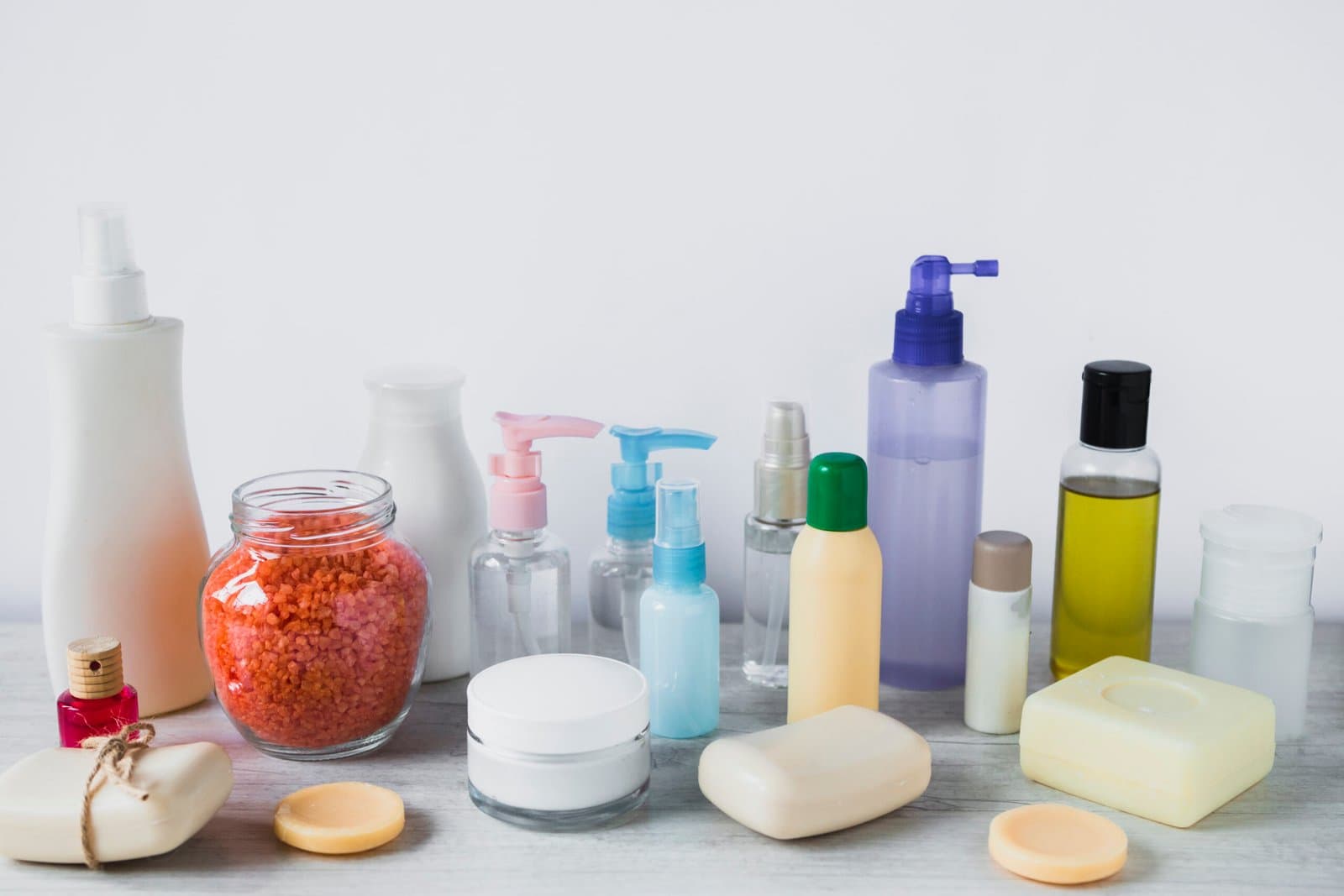
TEA contributes to smoother textures and improved consistency in products such as:
Moisturizing creams.
Facial cleansers.
Sunscreens.
Shaving creams.
Hair care products.
Makeup formulations.
Its ability to enhance product feel and stability makes it a valuable ingredient for cosmetic manufacturers.
TEA as a Surfactant in Cleaning Products
Triethanolamine is widely used in household and industrial cleaning formulations.
Enhanced Cleaning Performance
As a surfactant component, TEA helps reduce surface tension, allowing cleaning agents to spread more effectively and remove dirt, oils, and contaminants.
Detergent Formulations
TEA is commonly found in:
Liquid detergents.
Industrial cleaners.
Dishwashing products.
Surface cleaners.
Degreasers.
Its versatility helps manufacturers develop efficient cleaning solutions for both consumer and industrial markets.
Importance of TEA in Cement Manufacturing
Beyond personal care applications, Triethanolamine plays a significant role in the construction industry.
Cement Grinding Aid
TEA is widely used as a cement grinding aid during the production of Portland cement. It improves grinding efficiency by reducing particle agglomeration during the milling process.
Increased Production Efficiency
By enhancing grinding performance, TEA helps manufacturers:
Improve mill productivity.
Reduce energy consumption.
Achieve finer cement particle distribution.
Increase production output.
Enhanced Cement Quality
Proper use of TEA can contribute to improved cement properties, including early strength development and more consistent product performance.
As global infrastructure and construction projects continue to expand, demand for cement additives such as TEA remains strong.
Applications in Industrial Processing
TEA is utilized in several other industrial sectors due to its multifunctional characteristics.
Metalworking Fluids
TEA helps stabilize formulations and provide corrosion protection in metalworking and machining operations.
Textile Processing
The chemical is used in textile treatments and processing formulations where pH control and surfactant performance are required.
Water Treatment Chemicals
Certain water treatment formulations use TEA to support pH adjustment and improve overall process efficiency.
Chemical Manufacturing
TEA serves as an intermediate in the production of various specialty chemicals, surfactants, and industrial additives.
Advantages of Using Triethanolamine
Several factors contribute to TEA's widespread adoption across industries.
Multifunctionality
A single ingredient can provide emulsification, pH regulation, and surfactant properties simultaneously, reducing formulation complexity.
Cost Efficiency
Manufacturers can often replace multiple additives with TEA, helping optimize production costs.
Improved Product Stability
TEA contributes to longer shelf life and better performance consistency in many formulations.
Broad Industry Compatibility
Its versatility allows use in cosmetics, detergents, construction materials, textiles, metalworking, and chemical manufacturing.
These advantages make TEA a valuable component in both consumer and industrial products.
Market Trends Driving Demand
Several factors continue to support global demand for Triethanolamine:
Growth in Personal Care Products
Increasing consumer demand for skincare, hair care, and cosmetic products drives the need for effective emulsifiers and pH regulators.
Expansion of Construction Activities
Infrastructure development and urbanization support demand for cement additives and construction chemicals.
Rising Industrial Manufacturing
Growth in industrial production increases consumption of surfactants, specialty chemicals, and processing aids.
Demand for High-Performance Formulations
Manufacturers increasingly seek multifunctional ingredients that improve efficiency and reduce formulation complexity.
These trends are expected to support long-term market growth for TEA.
Procurement Considerations for Buyers
When sourcing Triethanolamine, buyers should evaluate:
Product purity and grade requirements.
Cosmetic-grade versus industrial-grade specifications.
Regulatory compliance standards.
Supplier reliability and production capacity.
Packaging and storage requirements.
Supply chain stability.
Technical support capabilities.
Selecting qualified suppliers helps ensure consistent quality and uninterrupted operations.
Future Outlook
Triethanolamine is expected to remain an essential ingredient across multiple industries due to its broad functionality and proven performance. Growth in cosmetics, construction, industrial cleaning, and specialty chemical manufacturing will continue to drive global demand.
As manufacturers focus on formulation efficiency, performance enhancement, and cost optimization, TEA's role as a multifunctional additive is likely to become even more important in the coming years.
Conclusion
Triethanolamine is far more than a simple chemical additive. Its unique ability to function as a surfactant, emulsifier, pH regulator, and processing aid makes it a critical ingredient in industries ranging from cosmetics and personal care to cement manufacturing and industrial processing.
As demand for high-performance and versatile chemical solutions continues to rise, TEA remains a cornerstone ingredient that helps manufacturers improve product quality, production efficiency, and overall operational performance. Its diverse applications and enduring value ensure that Triethanolamine will continue to play a vital role in modern industrial and consumer markets.
Acrylic Acid (Industrial) - India CAS: 79-10-7