
Sodium Chloride for Injection: Why the Purest Form of Salt Has Complex Supply Chain Requirements
Introduction
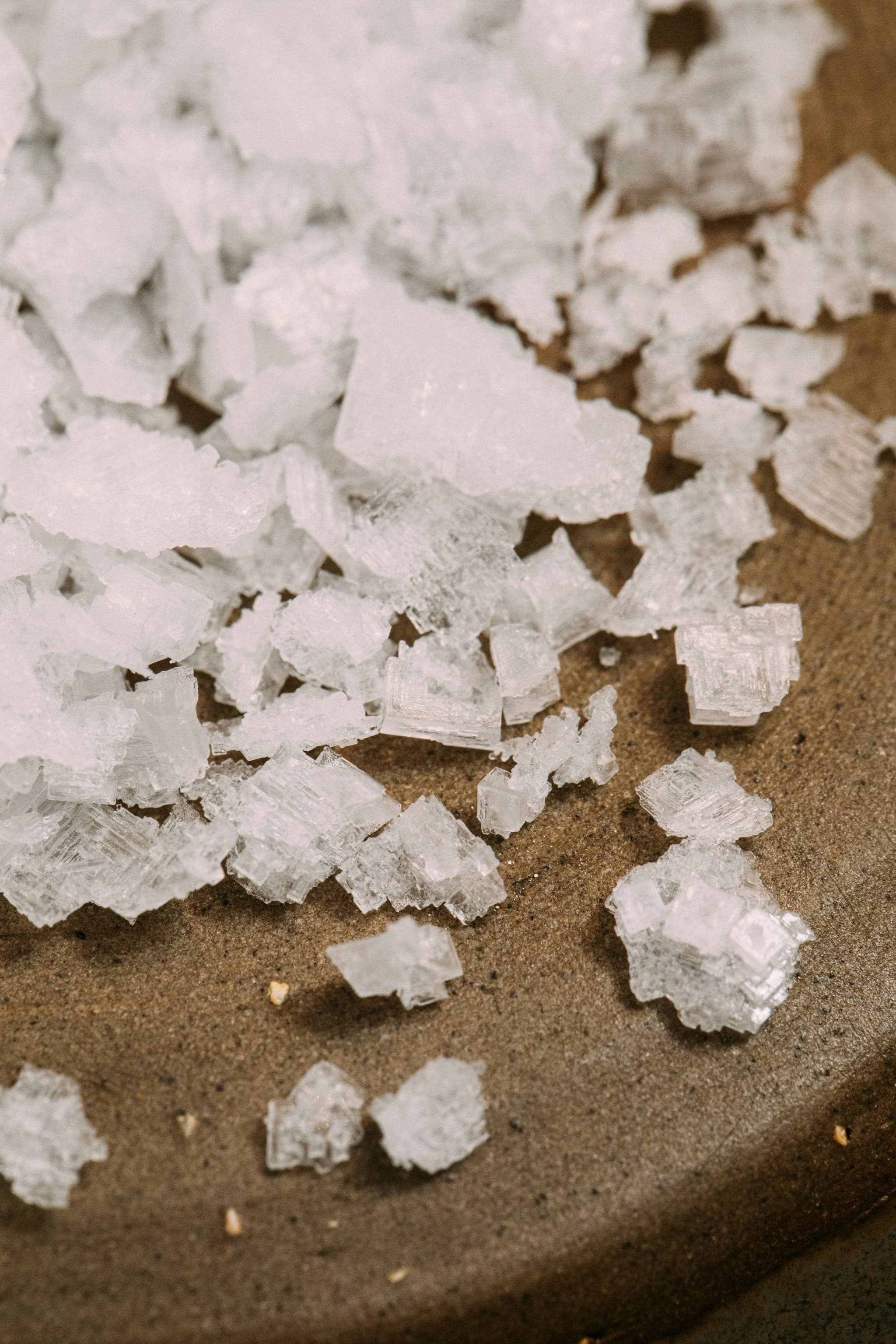
Sodium chloride is one of the most familiar chemical compounds in the world, commonly recognized as table salt. However, Sodium Chloride for Injection is vastly different from the salt used in food or industrial applications. Manufactured under highly controlled pharmaceutical standards, it is an essential raw material for intravenous (IV) therapies, injectable medicines, dialysis solutions, irrigation fluids, and numerous hospital treatments.
Because it is administered directly into the bloodstream or used in sterile pharmaceutical products, Sodium Chloride for Injection must meet exceptionally stringent quality, purity, and sterility requirements. From raw material sourcing and pharmaceutical manufacturing to packaging, testing, and distribution, every stage of its supply chain is carefully managed.
For pharmaceutical manufacturers and procurement professionals, understanding the complexity of this supply chain is critical for ensuring uninterrupted production, regulatory compliance, and patient safety.
What Is Sodium Chloride for Injection?
Sodium Chloride for Injection is a pharmaceutical-grade sodium chloride that complies with recognized pharmacopeial standards such as the United States Pharmacopeia (USP), European Pharmacopoeia (Ph. Eur.), or other applicable national standards.
It is commonly used in:
Intravenous (IV) saline solutions
Injectable drug formulations
Dilution of injectable medications
Dialysis solutions
Irrigation solutions
Medical device manufacturing
Sterile pharmaceutical compounding
Unlike food-grade or industrial salt, pharmaceutical-grade sodium chloride is produced under strict quality systems to ensure exceptional purity and consistency.
Why Purity Is Critical
Injectable pharmaceutical products bypass many of the body's natural protective barriers. As a result, even trace levels of contaminants can compromise product quality and patient safety.
Pharmaceutical-grade sodium chloride is carefully controlled for:
Chemical purity
Heavy metal content
Insoluble particles
Microbiological contamination
Endotoxin levels
Moisture content
Identity and assay
Manufacturers perform comprehensive testing before releasing each batch for pharmaceutical use.
Understanding the Supply Chain
The supply chain for Sodium Chloride for Injection is considerably more complex than that of conventional salt.
1. Raw Material Selection
The process begins with carefully selected high-purity sodium chloride obtained from qualified sources.
Manufacturers evaluate:
Mineral composition
Impurity profile
Extraction methods
Supplier quality systems
Batch consistency
Traceability documentation
Only raw materials meeting pharmaceutical specifications proceed to further processing.
2. Pharmaceutical Manufacturing
Raw sodium chloride undergoes purification and processing within pharmaceutical manufacturing facilities operating under Good Manufacturing Practice (GMP).
Manufacturing activities include:
Purification
Controlled crystallization
Particle size management
Environmental monitoring
Batch testing
Controlled packaging
Strict manufacturing controls ensure consistent quality from batch to batch.
3. Sterile Formulation
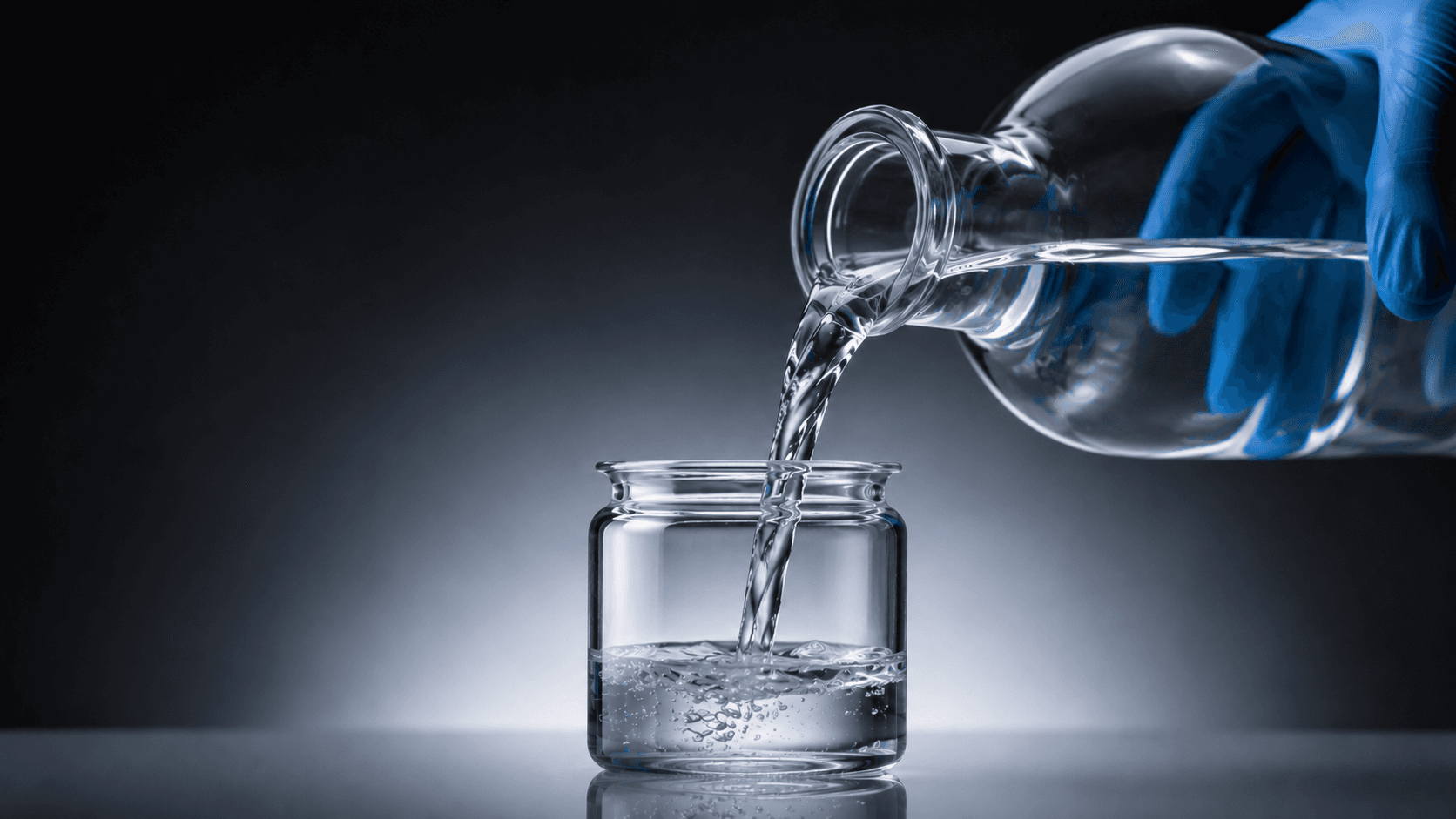
For injectable products, sodium chloride is dissolved using pharmaceutical-grade Water for Injection (WFI) under aseptic manufacturing conditions.
Critical production steps include:
Solution preparation
Sterile filtration
Aseptic filling
Container closure integrity testing
Environmental monitoring
Final product inspection
Maintaining sterility throughout production is essential for patient safety.
4. Packaging and Distribution
Finished products are packaged in sterile containers such as:
IV bags
Glass bottles
Plastic bottles
Prefilled syringes
Ampoules
Distribution must preserve product integrity through validated storage, transportation, and handling procedures.
Why the Supply Chain Is So Complex
Several factors contribute to the complexity of pharmaceutical sodium chloride procurement.
Pharmaceutical-Grade Quality Requirements
Unlike industrial salt, pharmaceutical sodium chloride must consistently meet pharmacopeial specifications through extensive analytical testing.
Sterile Manufacturing Standards
Facilities producing injectable products require highly controlled cleanroom environments, specialized equipment, and validated aseptic processes.
Regulatory Compliance
Manufacturers must comply with Good Manufacturing Practice (GMP), pharmacopeial requirements, and country-specific regulatory expectations throughout production and distribution.
Limited Qualified Suppliers
Only a relatively small number of manufacturers produce pharmaceutical-grade sodium chloride suitable for injectable applications, increasing supplier concentration risk.
Packaging Dependencies
Availability of sterile IV bags, glass containers, stoppers, and other packaging components can also influence overall supply continuity.
Procurement Challenges
Pharmaceutical procurement teams must carefully manage several risks.
Common challenges include:
Supplier qualification and auditing
Raw material traceability
Transportation disruptions
Manufacturing capacity limitations
Packaging material shortages
Regulatory inspections
Inventory optimization
Cost management
Proactive planning helps minimize the impact of these challenges.
Best Practices for Pharmaceutical Procurement
Organizations can strengthen supply chain resilience by adopting the following strategies:
Qualify multiple approved suppliers.
Maintain comprehensive supplier quality agreements.
Verify Certificates of Analysis (CoAs) for every batch.
Conduct periodic supplier performance reviews.
Monitor inventory levels for critical materials.
Develop contingency sourcing plans.
Collaborate closely with Quality Assurance and Regulatory Affairs teams.
Continuously monitor regulatory developments affecting pharmaceutical raw materials.
These practices help ensure a reliable supply while maintaining compliance.
Future Trends in Pharmaceutical Supply Chains
The procurement landscape for injectable pharmaceutical ingredients continues to evolve.
Key trends include:
Increased supply chain diversification
Greater digital traceability
Risk-based supplier management
Enhanced quality analytics
Stronger collaboration across procurement and quality functions
Greater emphasis on supply chain resilience
These developments enable manufacturers to respond more effectively to changing market conditions.
Conclusion
Although sodium chloride is one of the simplest and most widely available chemical compounds, producing Sodium Chloride for Injection requires one of the most tightly controlled pharmaceutical supply chains. Every stage—from raw material sourcing and purification to sterile manufacturing, packaging, and distribution—must meet rigorous quality and regulatory standards.
For pharmaceutical chemical buyers, sourcing the purest form of salt is about much more than availability or price. It requires qualified suppliers, robust quality systems, comprehensive documentation, and proactive risk management. By investing in resilient procurement strategies and strong supplier partnerships, pharmaceutical manufacturers can ensure the consistent production of safe, effective, and high-quality injectable medicines.
Monosodium Glutamate (E621) CAS: 6106-04-3