Battery-grade lithium carbonate prices nearly doubled in the space of six weeks during early 2026, catching traders and procurement teams across the battery supply chain off guard. The spot price climbed from approximately USD 13,433 per metric ton in early December 2025 to USD 26,278 per metric ton by late January 2026, a 95% surge that reawakened memories of the extreme volatility that defined the lithium market in 2022 and 2023.
What Is Battery-Grade Lithium Carbonate and Why It Matters
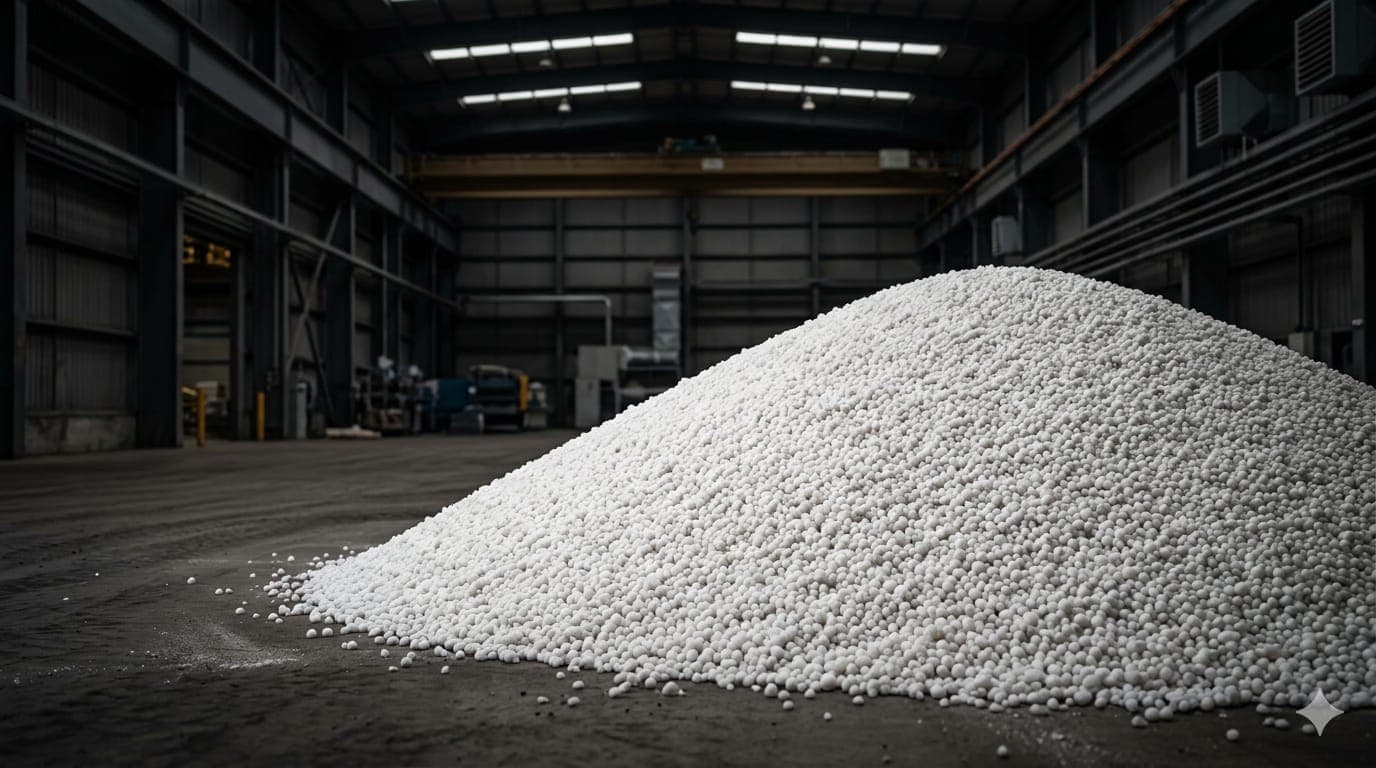
Lithium carbonate (Li2CO3) is a white crystalline salt produced primarily from brine extraction and hard rock mining. Battery-grade material meets strict purity thresholds, typically above 99.5% Li2CO3, making it suitable for use in lithium-ion cathode chemistries including LFP (lithium iron phosphate) and NMC (nickel manganese cobalt).
It is a foundational raw material in the global energy transition. Every electric vehicle battery, every grid-scale energy storage system and every consumer electronics device that uses a lithium-ion cell depends on a reliable supply of battery-grade lithium salts.
Because battery-grade material commands a significant premium over technical-grade lithium carbonate, pricing differentials between grades can swing procurement economics substantially. For cathode material manufacturers, cell producers and battery pack assemblers, tracking battery-grade lithium carbonate price movements is a core commercial function, not a peripheral concern.
Global Lithium Carbonate Market Size and Demand in 2026
Global lithium carbonate demand is estimated to exceed 1.1 million metric tons of lithium carbonate equivalent (LCE) in 2026, driven overwhelmingly by EV battery production in China, South Korea and Europe. China alone accounts for roughly 70% of global lithium-ion cell manufacturing capacity, making Chinese spot market prices in hubs like Wuxi and Shanghai the primary reference point for global trade.
The market had been under sustained pressure throughout most of 2024 and 2025, when an oversupply of lithium from Australian spodumene converters and South American brine operations pushed prices down sharply from the record highs of late 2022. Battery-grade lithium carbonate had shed over 80% of its peak value before the Q1 2026 rebound.
That prolonged price depression caused a wave of project deferrals, mine suspensions and reduced capital expenditure across the lithium supply base. When demand signals strengthened heading into 2026, the market had less spare buffer capacity than the headline production numbers suggested.
Key Price Drivers Behind the Q1 2026 Surge
Several distinct supply-side shocks converged in a short window to deliver the near-doubling of battery-grade lithium carbonate prices.
CATL's Jianxiawo Mine Disruption. Supply delays at CATL's Jianxiawo lepidolite mine in Jiangxi Province, China, removed a meaningful volume of domestic feedstock from the market at a critical moment. Lepidolite-sourced lithium had become an important contributor to China's domestic lithium chemical output, so any disruption at a major lepidolite operation tightens the spot market faster than the headline capacity numbers imply.
Zimbabwe's Export Suspension. In February 2026, Zimbabwe suspended all lithium ore exports. Zimbabwe had emerged as one of the most significant new hard rock lithium sources globally over the preceding two years, with several large-scale spodumene and petalite projects ramping output. The suspension removed a supply stream that international converters had begun to price into their forward procurement plans.
Spodumene Prices Crossed USD 2,000 per Metric Ton. Spodumene concentrate, the primary hard rock feedstock for lithium chemical conversion, crossed USD 2,000 per metric ton for the first time since 2023. This feedstock cost increase flowed through directly to the cost of producing lithium carbonate and hydroxide at conversion facilities in China, South Korea and elsewhere.
Thin Spot Liquidity. After an extended period of price weakness, many buyers had reduced spot market participation and shifted to hand-to-mouth purchasing. This left the market structurally thin, meaning even modest demand increases or supply shortfalls produced outsized price moves. Speculative buying activity amplified the initial moves once upward momentum became visible.
North American Supply Chain Pressure. North America recorded a 75.9% quarter-on-quarter price increase for battery-grade lithium carbonate, the steepest regional movement of the quarter. This reflected both global supply tightness and the ongoing challenge of building a resilient domestic or near-shore lithium supply chain outside of Chinese-controlled conversion capacity.
Top Lithium Carbonate Producing and Exporting Countries
The global lithium carbonate supply map is geographically concentrated, which creates inherent fragility.
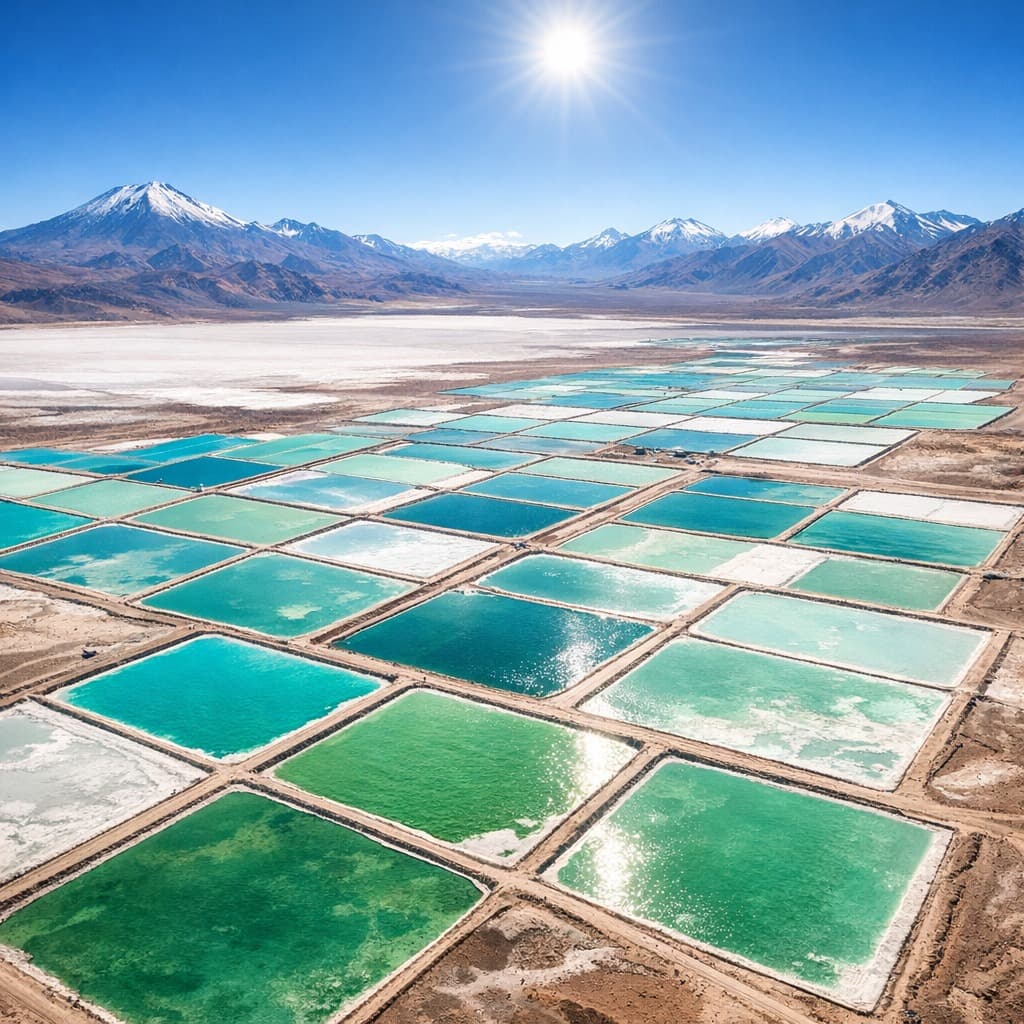
Chile remains the world's largest lithium carbonate producer, operating through the Atacama brine fields that hold among the highest-grade lithium brine deposits on the planet. SQM and Albemarle operate the dominant concessions. Chile's export volumes set the tone for global brine-sourced supply.
China is both the largest consumer and a major producer, processing domestic hard rock lithium from Jiangxi and Sichuan provinces as well as imported spodumene from Australia. Chinese producers control the majority of the world's lithium chemical conversion capacity, giving them structural influence over global battery-grade pricing regardless of where the raw ore originates.
Australia produces the majority of the world's spodumene concentrate, which it exports primarily to Chinese converters. Australia does not yet produce significant volumes of finished lithium carbonate domestically, but its hard rock output is the feedstock backbone of the global supply chain.
Argentina is expanding brine production rapidly across the Lithium Triangle it shares with Chile and Bolivia. Several new projects moved into production between 2023 and 2025, though ramp-up timelines have frequently run behind schedule.
Zimbabwe, before its export suspension, had become a growing hard rock supplier. The reinstatement of export permits and the long-term trajectory of Zimbabwean lithium output will be a key variable for global supply balances through 2027.
Applications and Who Buys Battery-Grade Lithium Carbonate
The buyer base for battery-grade lithium carbonate is more concentrated than for many other traded chemicals, and procurement decisions carry significant strategic weight.
Cathode active material (CAM) manufacturers are the primary direct buyers. They process lithium carbonate into LFP, NMC and other cathode chemistries that go into battery cells. The largest producers in China, South Korea and Japan are vertically integrated or operate under long-term offtake structures, but the spot and quarterly contract market remains active for volume adjustments.
Battery cell manufacturers sometimes procure lithium carbonate directly, particularly when building integrated supply chains for LFP cells. CATL, BYD, LG Energy Solution and Panasonic are among the largest ultimate consumers whose purchasing decisions move market sentiment.
Specialty chemical producers use lithium carbonate in glass and ceramic applications, lubricating greases and pharmaceuticals, though these technical-grade applications represent a small fraction of total demand compared to the battery sector.
EV OEM procurement teams increasingly participate in upstream lithium markets through offtake agreements, equity investments and direct supply contracts, bypassing traditional trading intermediaries for strategic volumes.
Risks, Regulatory Challenges and Trade Policy Shifts
Battery-grade lithium carbonate procurement carries a distinct risk profile that procurement managers must actively manage.
Export restrictions and resource nationalism represent the most immediate policy risk, as Zimbabwe's suspension illustrated clearly. A growing number of lithium-producing governments are scrutinizing raw material exports in order to capture more value domestically. Bolivia, Chile and Argentina have each taken steps to increase state involvement in lithium production, which introduces political risk into what was previously a straightforward commercial supply relationship.
Chinese conversion capacity concentration creates a systemic dependency that Western battery supply chain builders are working urgently to reduce. The majority of global lithium chemical conversion happens in China. Any trade policy development, tariff escalation or export control measure affecting this capacity would send shockwaves through global battery-grade lithium carbonate prices.
Environmental and permitting risk continues to delay new mine and processing facility approvals in multiple jurisdictions. Projects in the United States, Europe and Canada are facing multi-year permitting timelines, limiting how quickly new non-Chinese supply can reach commercial scale.
Price volatility and contract risk remain material concerns. The thin spot liquidity that amplified Q1 2026 price moves has not been structurally resolved. Buyers relying heavily on spot purchasing remain exposed to sudden, sharp price movements without the buffer of forward contracts or diversified supplier bases.
Lithium Carbonate Price Outlook for 2027 and Beyond
The Q1 2026 price spike does not represent a return to the structural supply deficits of 2022. The medium-term supply picture is one of gradual capacity growth, but execution risk and policy volatility will keep lithium carbonate prices elevated relative to the 2024 and 2025 lows.
New brine and hard rock projects across Argentina, Chile, Australia and Canada are targeting production between 2026 and 2028. If these projects deliver on schedule and without further export policy disruptions, the market should move toward a more balanced supply-demand position by late 2027.
However, demand growth is also accelerating. EV adoption rates in Europe, North America and Southeast Asia are tracking above earlier forecasts, and grid-scale battery storage deployments are adding a demand layer that did not exist at meaningful scale even three years ago.
The consensus view among lithium market analysts positions battery-grade lithium carbonate in a USD 18,000 to USD 28,000 per metric ton range through most of 2026, with gradual softening possible in 2027 as new supply matures. The key variables are the pace of Zimbabwe's export policy normalization, the rate of lepidolite capacity recovery in China and the speed at which new conversion capacity outside China comes online.
Buyers who entered 2026 without forward coverage or diversified supply agreements have already absorbed the cost of Q1 volatility. The next 18 months offer an opportunity to rebuild procurement structures that are less vulnerable to the next shock.
What Buyers Should Do Now
The Q1 2026 surge in battery-grade lithium carbonate prices is a reminder that prolonged low-price periods create structural fragility in thin markets. Procurement teams that treated 2024 and 2025 as a window to reduce contract coverage in favor of cheap spot buying are now navigating the consequences.
The priority for the remainder of 2026 is to establish layered procurement structures: a portion of volume under quarterly or annual contracts with reliable producers, a secondary tier of approved spot suppliers across multiple origins and a clear trigger framework for when to increase forward cover based on feedstock price signals like spodumene concentrate.
Supplier qualification outside of Chinese conversion chains should also be a strategic priority, even where costs are initially higher. The regulatory and geopolitical risk premium on China-dependent supply is no longer theoretical.
Looking to source battery-grade lithium carbonate? Explore verified, compliance-ready suppliers on our platform and connect directly with producers across South America, Australia and beyond.