

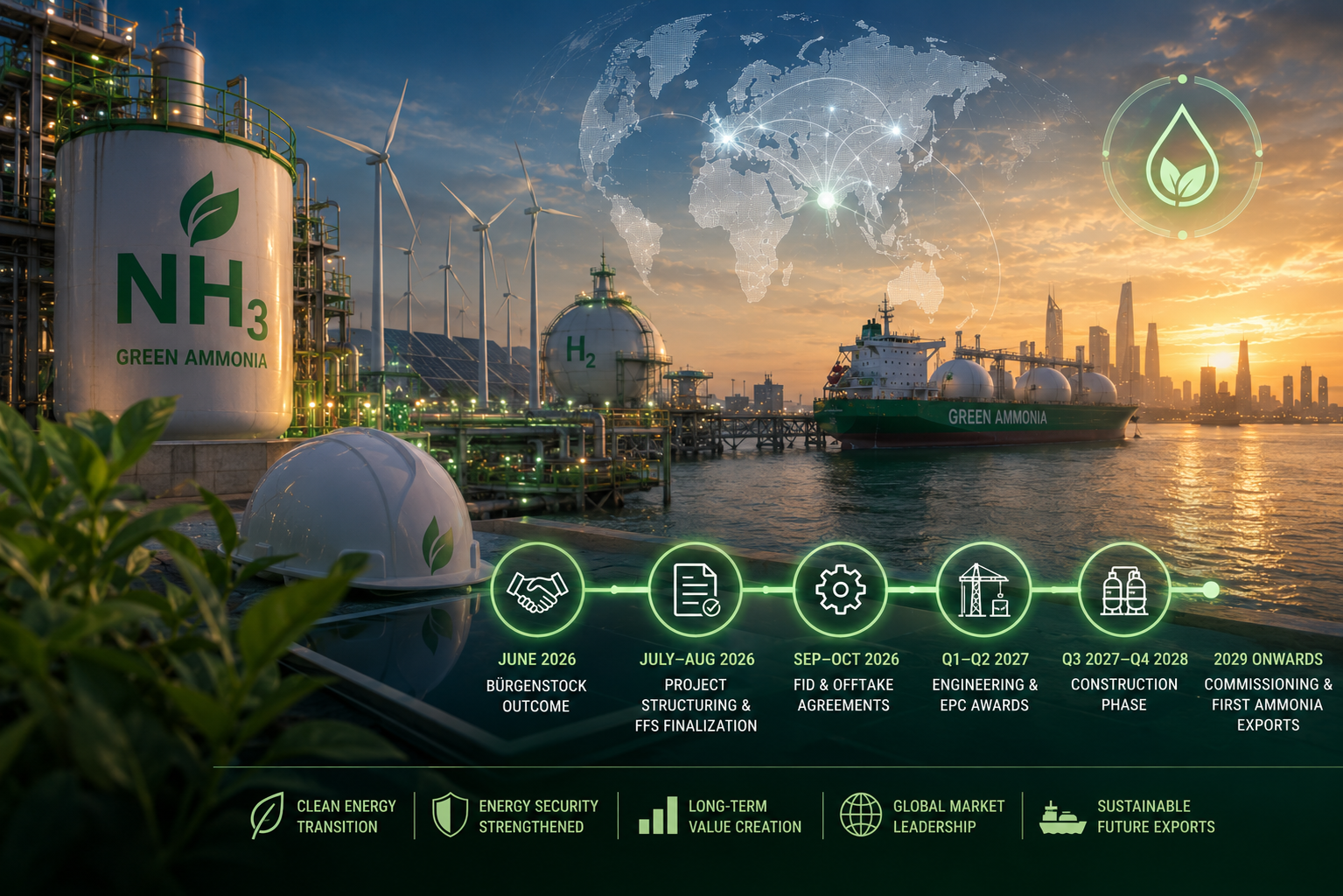
Related Insights
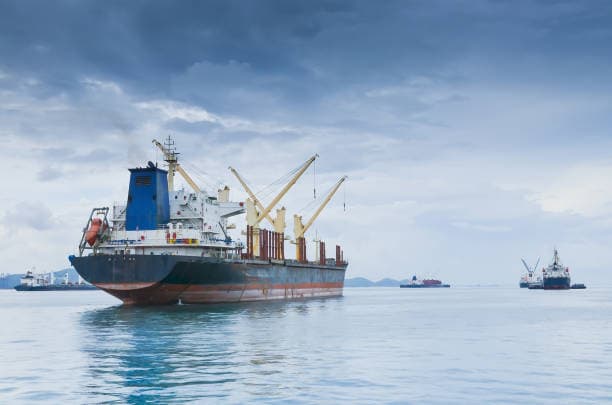
Ceasefire Collapse Reopens Hormuz Shipping Crisis, Threatening Global Supply Chains
The sudden end of a regional ceasefire has formally reopened the Hormuz shipping crisis, କ re‑igniting fears of major disruptions in the Strait of Hormuz. This development threatens to ripple through chemical logistics, tanker operations, freight rates, and global supply chains, especially in the fertilizer sector.
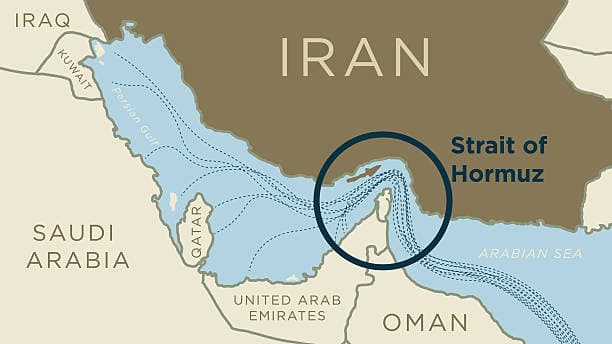
Fresh Clashes Near Hormuz Cut Ship Transits Again, Heightening Maritime Risk
The Strait of Hormuz has seen fresh clashes that are once again cutting vessel transits, disrupting the flow of chemicals and fertilizers. These tensions elevate freight risk and threaten the stability of the global supply chain.
One Big Beautiful Bill Act: How US Tax Policy Is Reshaping Chemical Industry Investment in 2026
The H.R.1 One Big Beautiful Bill Act has become an important factor influencing capital allocation across the US chemical industry. Procurement teams, investors and manufacturers should understand how tax policy can affect production capacity, supply chains and long-term sourcing decisions.
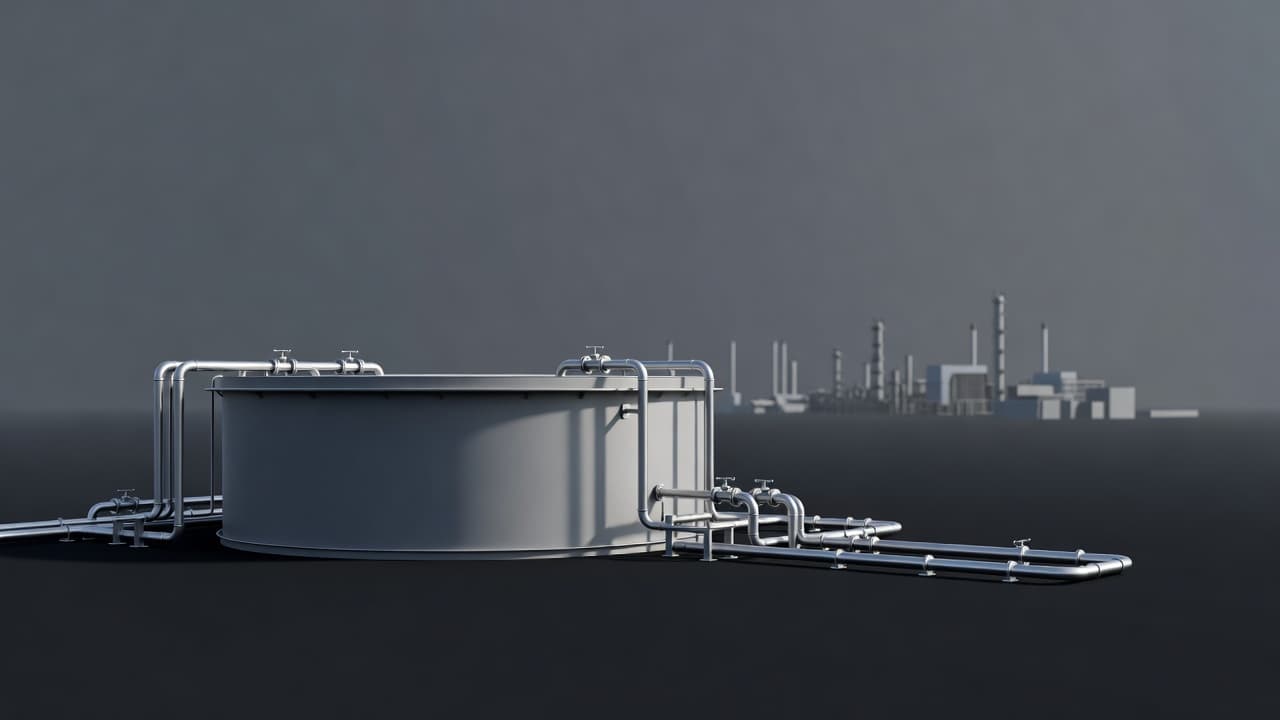
From Acute Shock to Structural Reset: How the Petrochemical Industry's New Normal Is Reshaping Global Sourcing
The Strait of Hormuz disruption is increasingly viewed as a long-term turning point rather than a temporary supply shock. Procurement teams are adapting sourcing strategies, supplier networks and inventory policies for a more resilient petrochemical supply chain.

IMO's 49 Incidents: The Definitive Safety Record and What It Means for Chemical Tanker Risk
The International Maritime Organization has confirmed 49 security incidents across Hormuz and the Persian Gulf as of June 30, creating the most comprehensive official risk dataset of the 2026 shipping crisis. For chemical tanker operators and cargo buyers, this record now defines insurance underwriting and shipping risk calculations for H2 2026.
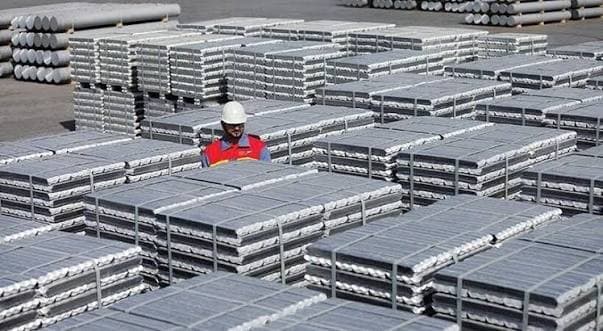
Aluminium and Gulf Metals: Emirates Global Aluminium and Alba Restart Watch
The 2026 Hormuz crisis stranded two of the world’s largest aluminium smelters — Emirates Global Aluminium and Alba Bahrain — quietly disrupting global supply for automotive, aerospace, and packaging manufacturers. With Gulf shipping conditions improving, aluminium logistics may recover faster than petrochemical markets in early H2 2026.
Don't miss out on our updates! Subscribe to our newsletter now
We're committed to your privacy. Tradeasia uses the information you provide to us to contact you about our relevant content, products, and services. For more information, check out our privacy policy.