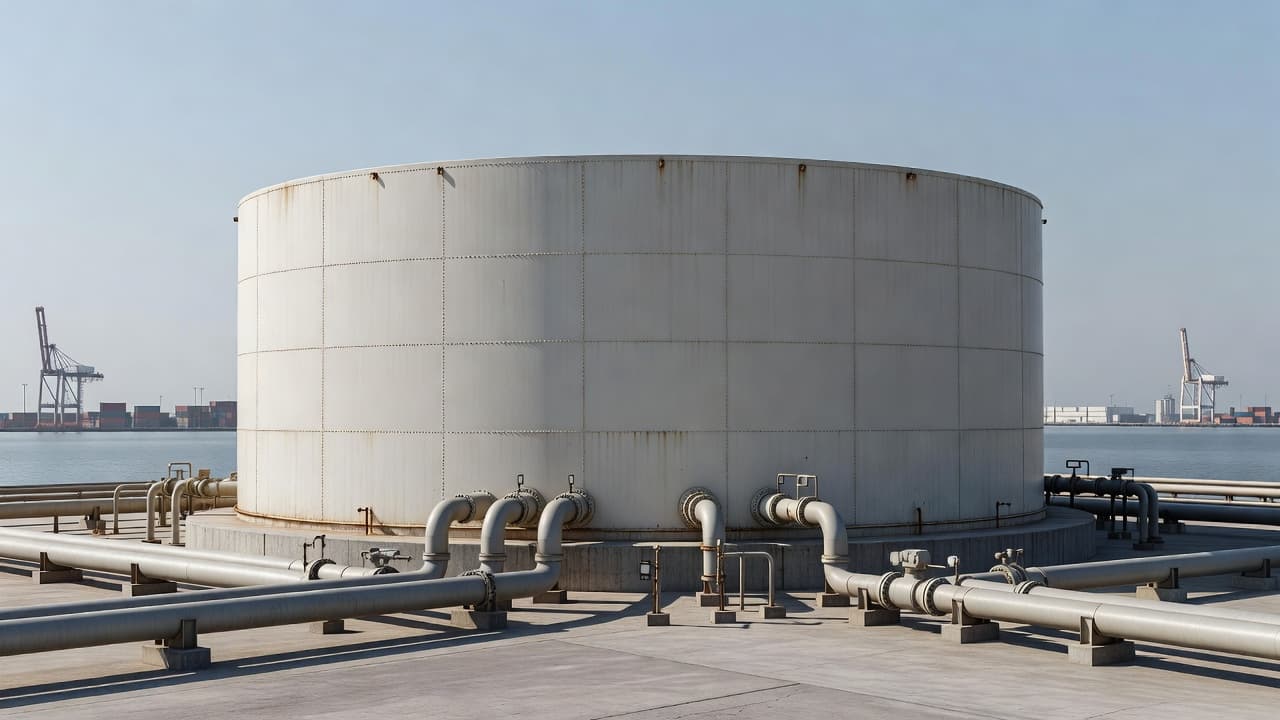

The restart of Saudi Arabia’s Ras Tanura terminal has become a major turning point for global methanol supply expectations. As the world’s largest oil export terminal resumes tanker loading, chemical buyers are watching closely because Gulf logistics play a critical role in global methanol availability.
Around one-third of global seaborne methanol trade moves through the Strait of Hormuz, with key supply links from Saudi Arabia, the UAE and Qatar. The return of export activity suggests that regional chemical flows are beginning to normalize after a period of uncertainty.
For methanol buyers, the focus now shifts from supply disruption risk toward pricing direction. Q3 2026 negotiations will depend on how quickly recovering supply translates into lower market costs.
Ras Tanura Restart Signals Gulf Chemical Supply Recovery
Ras Tanura is a central hub for Saudi Arabia’s energy exports and plays an important role in regional industrial logistics. The restart of tanker loading indicates improving operational stability across Gulf export infrastructure.
Gulf exports have recovered to approximately 75% of previous levels, reducing immediate concerns around major supply interruptions.
For chemical markets, this recovery matters because energy infrastructure supports more than crude exports. It also influences:
Feedstock availability for chemical production.
Transportation reliability for industrial materials.
Export schedules from major regional producers.
Buyer confidence when planning future purchases.
The market reaction shows that logistics stability can be as important as production capacity.
Why Methanol Buyers Are Watching Gulf Supply Closely
Methanol is a globally traded chemical used across multiple industries, including formaldehyde production, fuels, solvents and chemical manufacturing.
A significant portion of international methanol shipments depends on Gulf routes, especially from:
Saudi Arabia, including production linked to facilities such as Ibn Rushd.
The United Arab Emirates, including the Ruwais industrial area.
Qatar, which contributes to regional chemical exports.
When shipping conditions improve, buyers gain more confidence in supply continuity.
However, the recovery is not the same as a complete return to normal. Structural constraints affecting certain transit routes continue to influence risk calculations.
How Supply Recovery Could Affect Q3 Methanol Pricing
Methanol pricing has entered a transition period. Earlier concerns around shipping disruption supported higher risk premiums, but improving supply conditions could create downward pressure.
The next major market signal will come from Methanex’s Q3 2026 European contract price announcement. This pricing indicator will help buyers understand how producers view the balance between supply recovery and demand conditions.
Several factors will influence Q3 methanol pricing:
Lower crude prices reducing some energy-related cost pressure.
Improved Gulf export activity increasing supply confidence.
Ongoing logistics constraints limiting how quickly markets rebalance.
Regional demand changes across industrial sectors.
Buyers should evaluate contract offers against these wider market factors.
What Lower Crude Prices Mean for Methanol Buyers
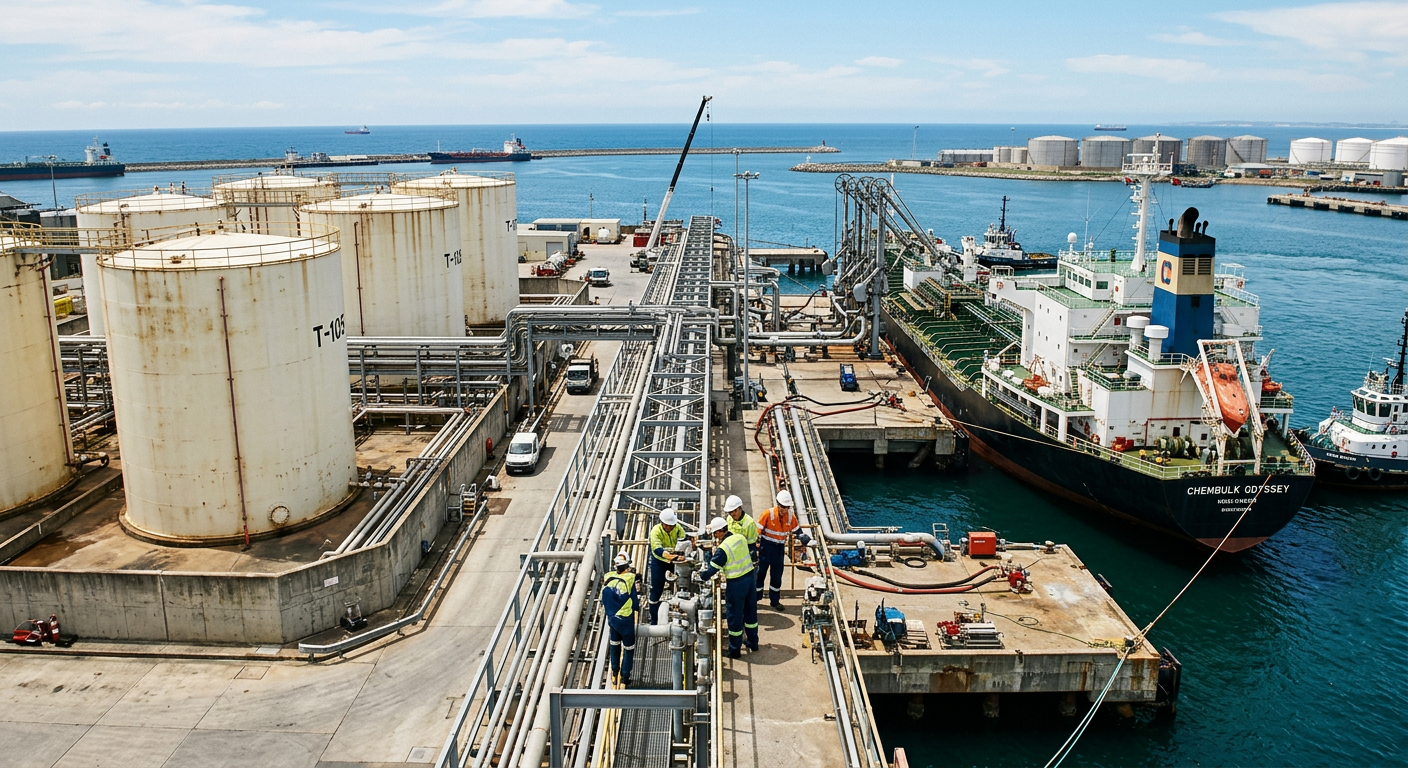
Brent crude at approximately $72.60 per barrel has added another factor to the methanol market outlook.
Although methanol pricing does not move directly with crude in every region, lower energy costs can influence production economics and overall chemical market sentiment.
The broader feedstock chain may experience gradual cost adjustments:
Lower crude prices can pressure naphtha-linked chemical costs.
Improved energy market confidence can reduce risk premiums.
Lower transportation uncertainty can support more stable supplier offers.
For buyers, the key is understanding that chemical prices adjust in stages, not instantly.
India Methanol Buyers Face a New Cost Environment
Indian manufacturers that secured zero-duty methanol imports under the temporary petrochemical exemption now face a different market environment after the waiver expiry.
The previous duty advantage helped reduce landed costs during a period of global uncertainty. Once standard import conditions return, buyers must reassess total procurement economics.
Important considerations include:
Current supplier pricing compared with new import costs.
Inventory levels already secured before the policy change.
Alternative supplier options.
Expected Q3 price movement.
Companies that purchased strategically during the waiver period may have temporary cost advantages.
Procurement Strategy During a Recovering Market
A recovering supply environment creates opportunities but also requires careful timing. Buyers need to avoid both overstocking at high prices and delaying purchases too long.
Effective procurement planning includes:
Comparing multiple supplier offers.
Monitoring contract price developments.
Reviewing freight conditions.
Maintaining communication with producers and traders.
Market recovery periods often create negotiation opportunities because suppliers compete for stable demand.
Remaining Risks in the Methanol Supply Chain
Despite improving conditions, several risks remain. The market has not fully removed geopolitical and logistics uncertainty.
The structural mine-clearance constraint affecting certain channel transit routes continues to limit confidence around full normalization.
Other risks include:
Unexpected shipping disruptions.
Regional production changes.
Demand fluctuations from industrial users.
Policy changes affecting import economics.
Buyers should continue tracking supply developments rather than assuming a straight path toward lower prices.
The Role of Global Chemical Trading Platforms
During periods of market adjustment, access to reliable supplier information becomes increasingly valuable.
Chemical buyers need visibility into available volumes, regional offers and changing market conditions.
Trading platforms can help procurement teams compare international suppliers, identify alternatives and make faster sourcing decisions when pricing conditions shift.
Looking Ahead to Q3 2026 Methanol Markets
The Ras Tanura restart represents a major improvement in confidence for global methanol supply. Combined with lower crude prices and recovering Gulf exports, the market may move toward a more balanced pricing environment.
However, buyers should expect a gradual adjustment rather than an immediate price collapse.
The strongest procurement strategies will combine market monitoring, supplier diversification and disciplined purchasing decisions.
Ready to source methanol from verified global suppliers? Explore competitive offers on our platform today.
Methanol CAS: 67-56-1