
Carbon Black (N110) - India CAS: 1333-86-4

Retailers are tightening their standards on synthetic food dyes, setting 2026‑2027 deadlines that force manufacturers to reexamine ingredient sourcing and reformulation strategies. The shift toward natural colorants and clean‑label compliance reshapes product development, cost structures, and supply chains. This article breaks down the commitments, impacts, and practical steps for food companies.
In H2 2026, China’s sucralose production remains robust while freight costs ease, giving buyers a strategic edge. Companies can leverage these trends to negotiate more favorable contracts and secure long‑term supply of food sweeteners.
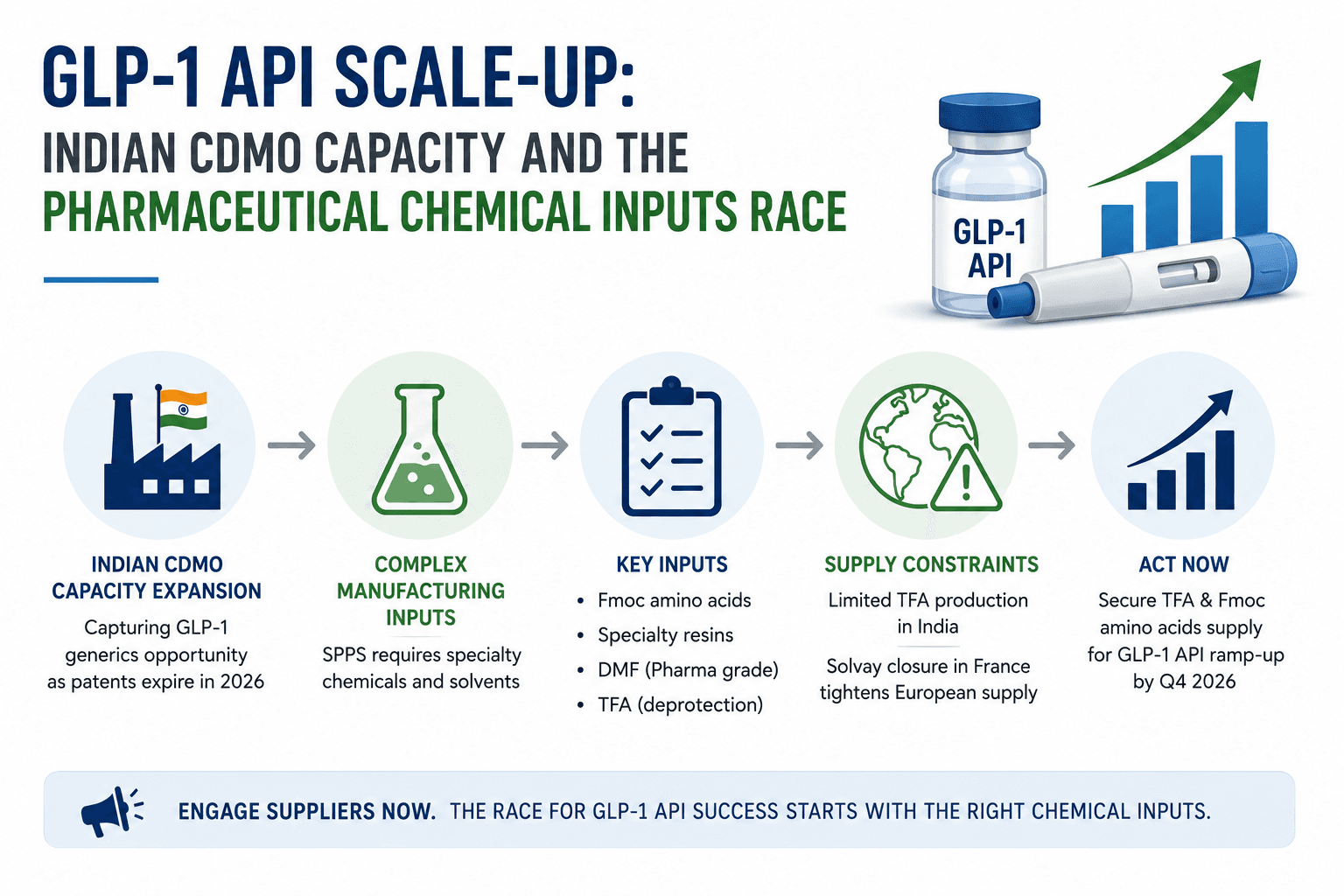
India’s pharmaceutical CDMOs are racing to scale GLP-1 API production as semaglutide and tirzepatide patents expire in 2026. Buyers sourcing TFA, Fmoc amino acids, and peptide synthesis chemicals should prepare for significant supply tightening by Q4.
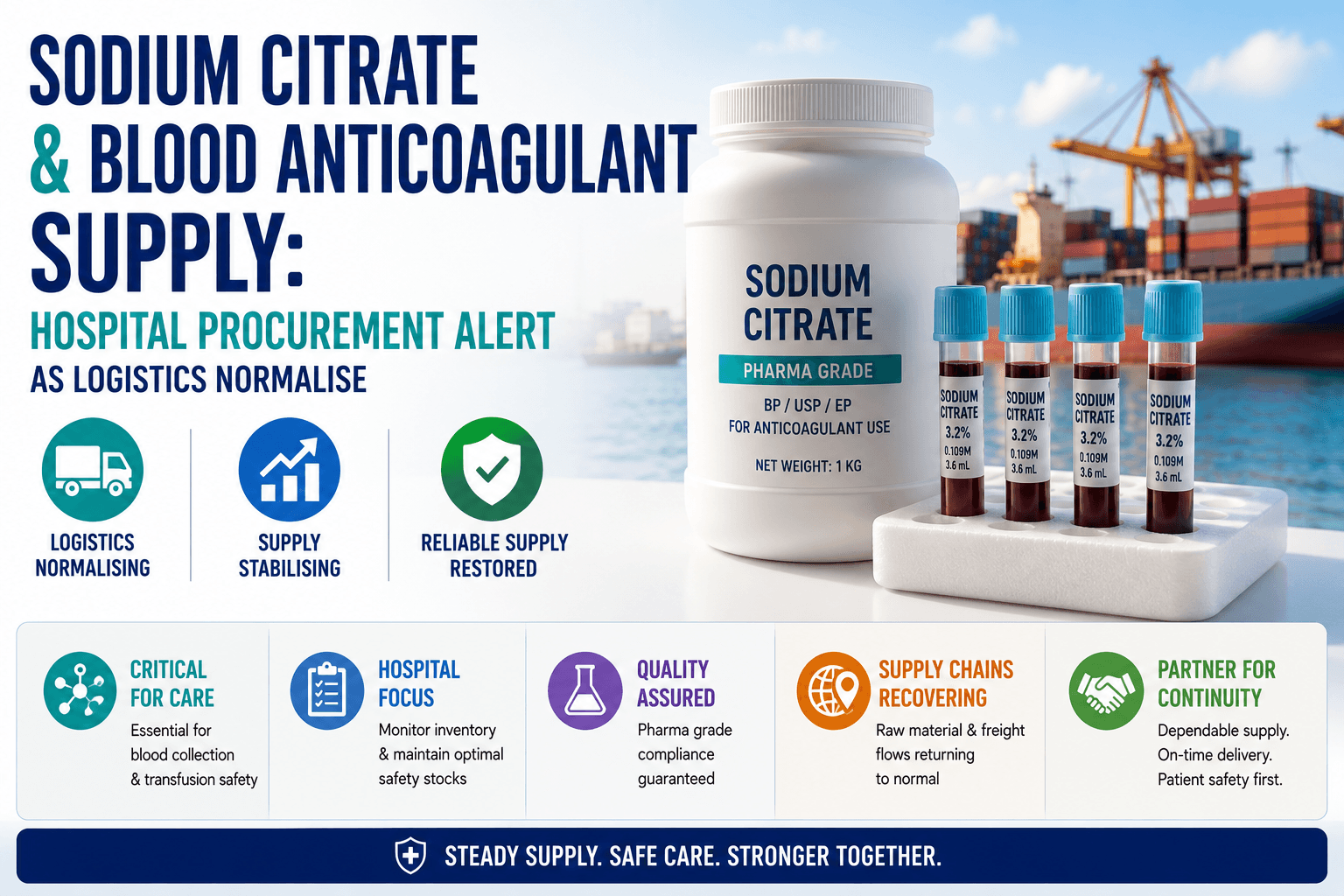
Sodium citrate supply is stabilizing as global logistics recover and freight costs begin easing. Hospital procurement teams should use the next 6–8 weeks to rebuild safety stock levels after months of inventory drawdown during the 2026 supply disruption.
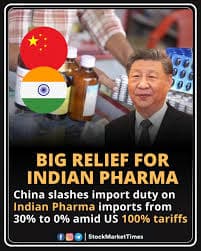
India’s recent duty waiver for pharmaceutical intermediates has been a boon for global manufacturers, but the looming end of this policy raises concerns about rising import costs. This article examines the potential impact on API production, supply chains, and pricing strategies for stakeholders in the chemical industry.

The 2024 Hormuz crisis rattled global chemical markets, forcing buyers to rethink sourcing. Japan, India, South Korea, the GCC, and Germany were hardest hit, with soaring costs, shortages, and a shift toward diversified procurement. Read how each region adapted its strategy.
We're committed to your privacy. Tradeasia uses the information you provide to us to contact you about our relevant content, products, and services. For more information, check out our privacy policy.