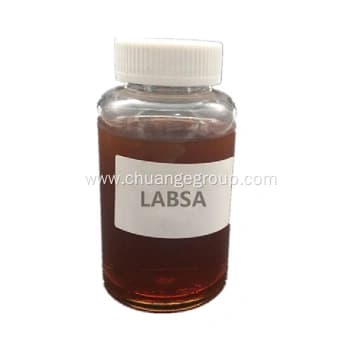
The global LABSA market is entering a transition period as Gulf refinery operations resume normal exports following the recovery of regional petroleum logistics. One of the most significant developments for detergent manufacturers is the return of n-paraffin supply, the essential feedstock used to produce linear alkylbenzene (LAB) and ultimately linear alkylbenzene sulfonic acid (LABSA).
During the Hormuz disruption, producers across India and Southeast Asia relied on alternative feedstock sources and longer supply routes to maintain production. With Saudi exports recovering and Gulf product flows approaching 75% of pre-crisis levels, the cost structure for LAB and LABSA production is beginning to improve, creating favorable conditions for detergent and industrial cleaning chemical buyers.
Why n-Paraffin Is Critical
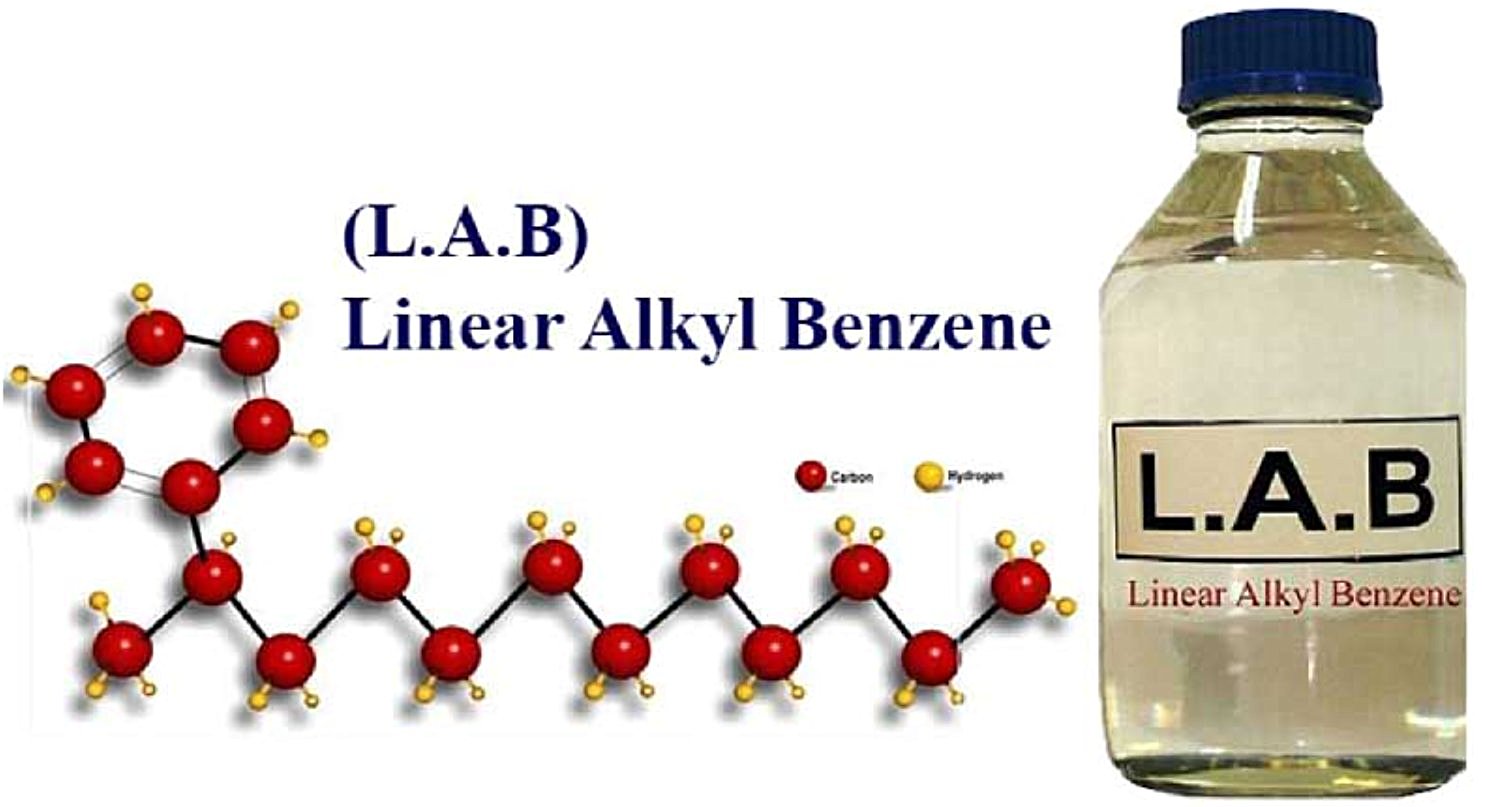
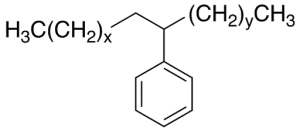
LABSA production begins with linear alkylbenzene, which is manufactured using n-paraffin obtained primarily from petroleum refinery streams.
The production chain follows:
n-Paraffin → Linear Alkylbenzene (LAB) → LABSA → Detergents & Cleaning Products
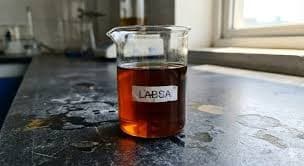
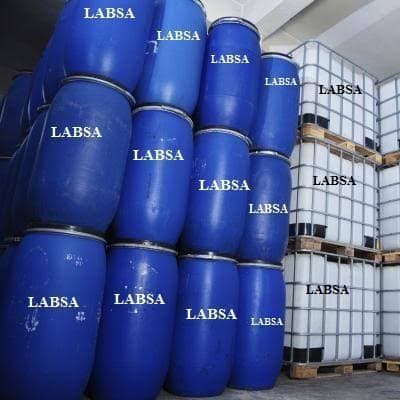
Linear Alkylbenzene Sulfonic Acid (90%) - India CAS: 27176-87-0
Because Gulf refineries are among the world's largest producers of n-paraffin, any disruption or recovery in regional petroleum exports has a direct impact on global detergent raw material markets.
Gulf Supply Is Returning
The reopening of export terminals and improving shipping conditions have allowed Gulf petroleum products to gradually return to international markets.
The restart of loading operations at Saudi Arabia's Ras Tanura export facilities represents an important milestone for downstream chemical manufacturers that depend on refinery-derived feedstocks.
Improved availability of n-paraffin is expected to:
Increase LAB production capacity.
Reduce feedstock procurement costs.
Improve supply reliability.
Ease pressure on downstream LABSA pricing.
Impact on Indian LAB Producers
Indian manufacturers strengthened their market positions during the Gulf supply disruption by maintaining production despite tighter feedstock availability.
Leading producers include:
Indian Oil Corporation (IOCL)
Hindustan Organic Chemicals (HOC)
These companies successfully supplied domestic and regional detergent manufacturers while international supply remained constrained.
As Gulf-origin feedstocks become increasingly available, competition within the LAB market is expected to intensify, placing greater emphasis on pricing, supply reliability, and customer service.
Benefits for Detergent Manufacturers
The improving LABSA supply outlook offers several advantages for detergent producers.
Lower Production Costs
Reduced feedstock costs should gradually improve LAB production economics and support more competitive LABSA pricing.
Greater Supplier Choice
Manufacturers will have access to both domestic and imported feedstock sources.
Improved Supply Security
Diversified sourcing reduces dependence on any single production region.
Better Contract Negotiation
Greater market competition creates opportunities to negotiate more favorable purchasing terms.
Q3 Is the Right Time for Competitive Tendering
The third quarter provides an ideal opportunity for procurement teams to reassess supplier options before committing to Q4 purchasing volumes.
Buyers should compare:
Indian-origin LABSA suppliers.
Gulf-origin LAB suppliers.
Product quality consistency.
Delivery performance.
Total landed costs.
Technical support capabilities.
Competitive tendering during July can help establish market benchmarks before longer-term contracts are finalized.
Why Buyers Should Review Existing Contracts
Many procurement agreements signed during the disruption period reflected unusually high feedstock and logistics costs.
Procurement teams should review:
Pricing Adjustment Clauses
Determine whether contracts allow pricing revisions based on changing feedstock costs.
Supply Flexibility
Evaluate whether sourcing volumes can be adjusted between suppliers.
Contract Duration
Shorter agreements may allow buyers to capture future market improvements more quickly.
Market Outlook
The return of Gulf n-paraffin exports marks a positive turning point for the global LABSA market. Improving feedstock availability, lower transportation costs, and increased supplier competition are expected to create a more balanced market during the second half of 2026.
Although pricing is unlikely to decline immediately, procurement conditions are becoming increasingly favorable. Buyers that actively compare Indian and Gulf-origin supply options during Q3 will be well positioned to secure competitive pricing and reliable supply for Q4 production requirements.
Key Takeaways
Gulf n-paraffin exports are improving feedstock availability for LAB production.
LABSA supply conditions are expected to strengthen during H2 2026.
Indian producers may face greater competition as Gulf supply returns.
Lower feedstock costs should gradually improve LABSA pricing.
Q3 offers a strong opportunity for competitive supplier tendering.
Buyers should compare Indian-origin and Gulf-origin supply options.
Existing contracts should be reviewed for pricing adjustment provisions.
Improved market competition is expected to benefit detergent manufacturers in Q4.