
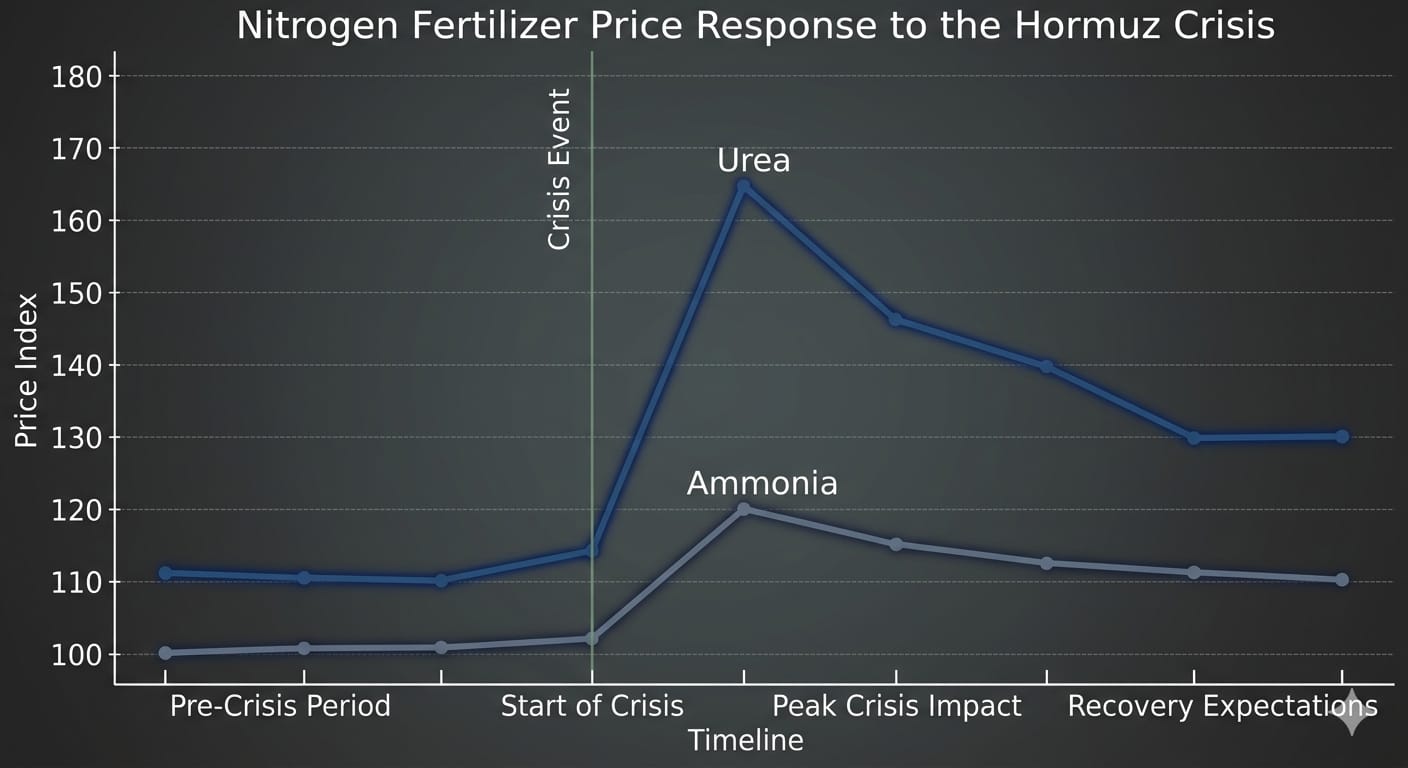
Ammonia Anhydrous CAS: 7664-41-7
Ammonia Anhydrous CAS: 7664-41-7

The collapse of the June 17 ceasefire and the resumption of tanker attacks have renewed attention on war-risk insurance pricing for global shipping. Chemical procurement teams should evaluate freight costs, insurance exposure and logistics contingency plans.
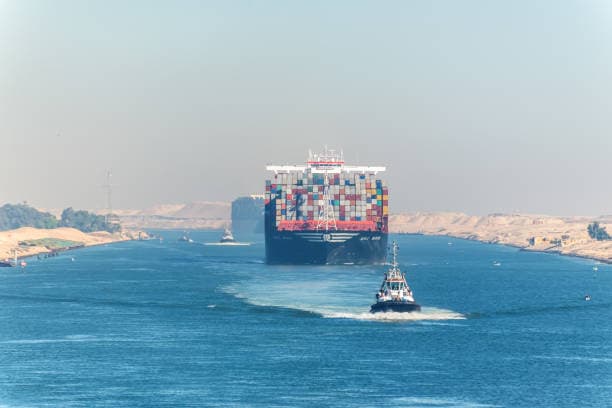
The Houthis are once again threatening to close the Red Sea shipping lanes, a move that could ripple across global trade, freight costs, and chemical logistics. This article examines how the threat impacts freight disruption, fertilizer shipping, and supply chain risk, and explores alternative routes and mitigation strategies.
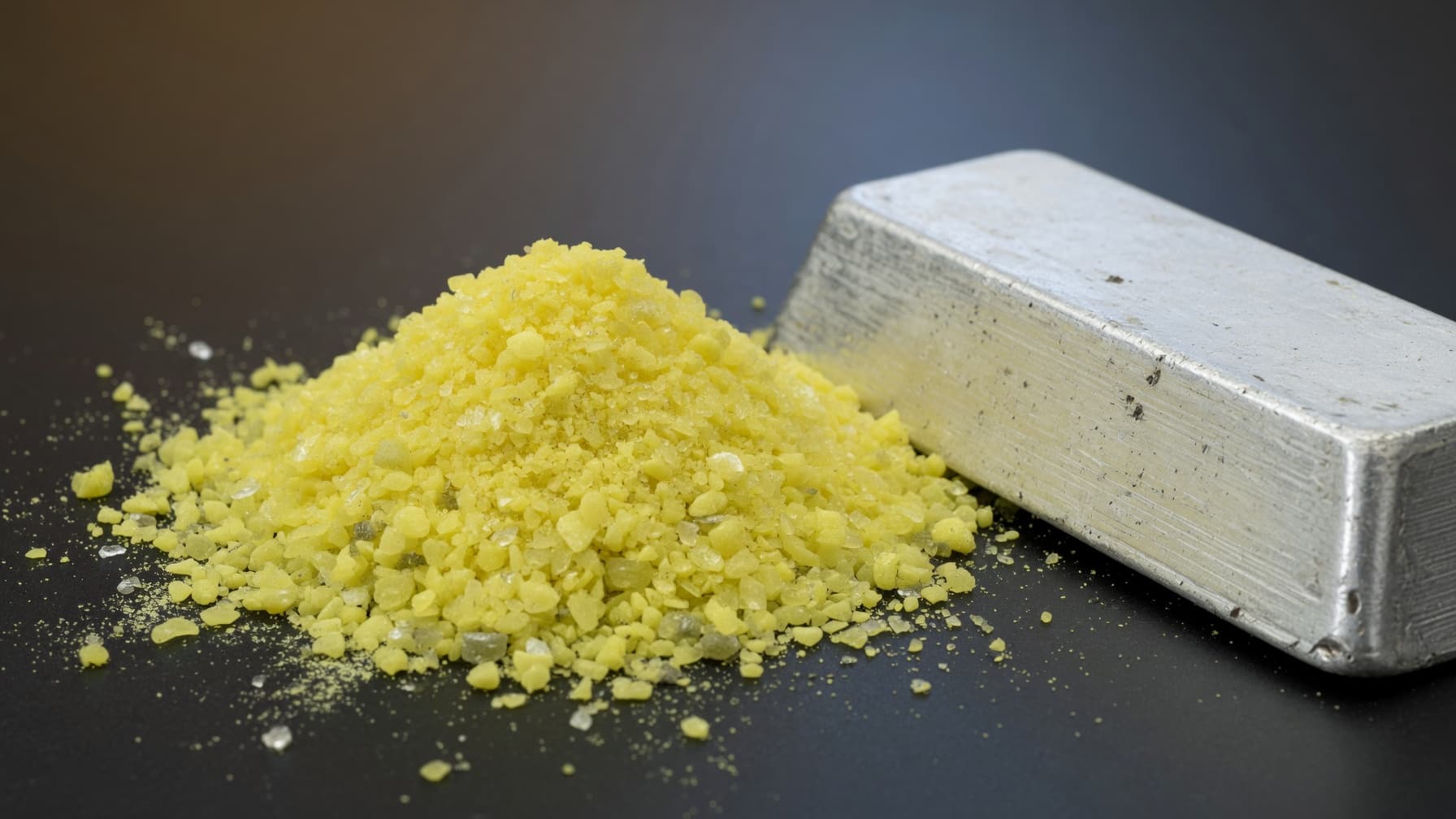
The Strait of Hormuz disruption extends beyond oil markets, affecting sulfur, aluminum, methanol and graphite that support global chemical manufacturing. Procurement teams should reassess sourcing strategies as industrial raw material risks continue to evolve.
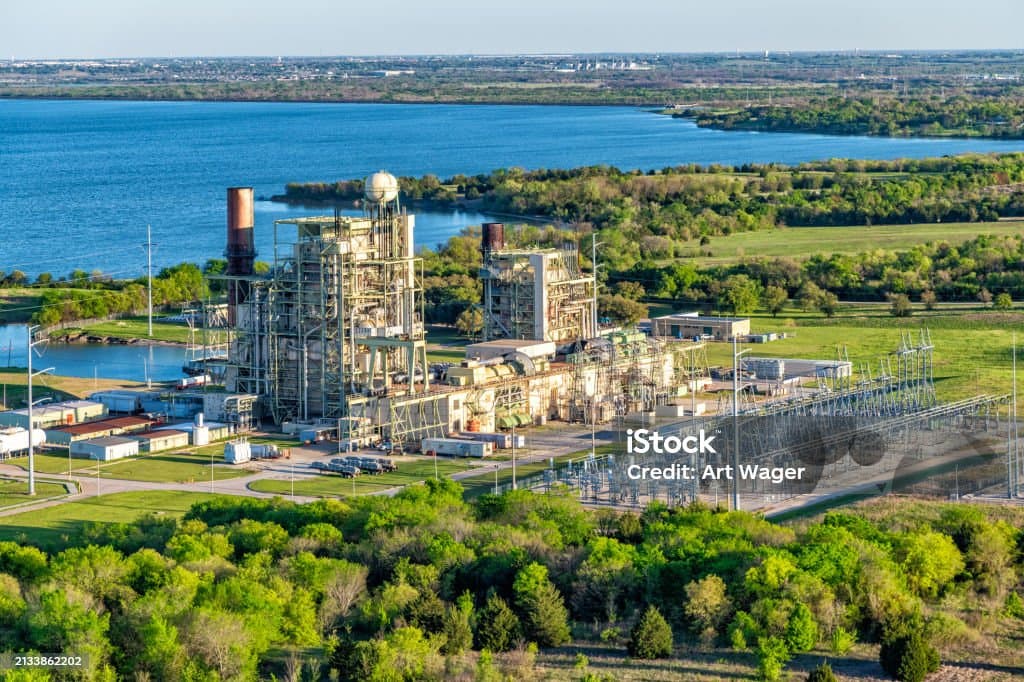
The Congressional Research Service report shows that 40% of U.S. agricultural urea arrives by water, exposing a strategic vulnerability. Legislative responses are reshaping maritime corridors and regional infrastructure. These changes aim to strengthen supply chain resilience for domestic markets.

The IMO dataset of 49 confirmed maritime incidents gives hospital pharmacy teams a structured roadmap to assess pharmaceutical exposure in the Gulf. By mapping API and chemical routes against high‑risk zones, procurement leaders can strategically plan Q3 logistics and safeguard patient care.

This Tuesday’s brief covers critical shifts from the Hormuz pipeline delays to the Olin‑Huntsman merger, INEOS Styrolution’s expansion, soaring urea prices, and new PFAS regulations. Stay ahead with these ten key insights for procurement leaders.
We're committed to your privacy. Tradeasia uses the information you provide to us to contact you about our relevant content, products, and services. For more information, check out our privacy policy.