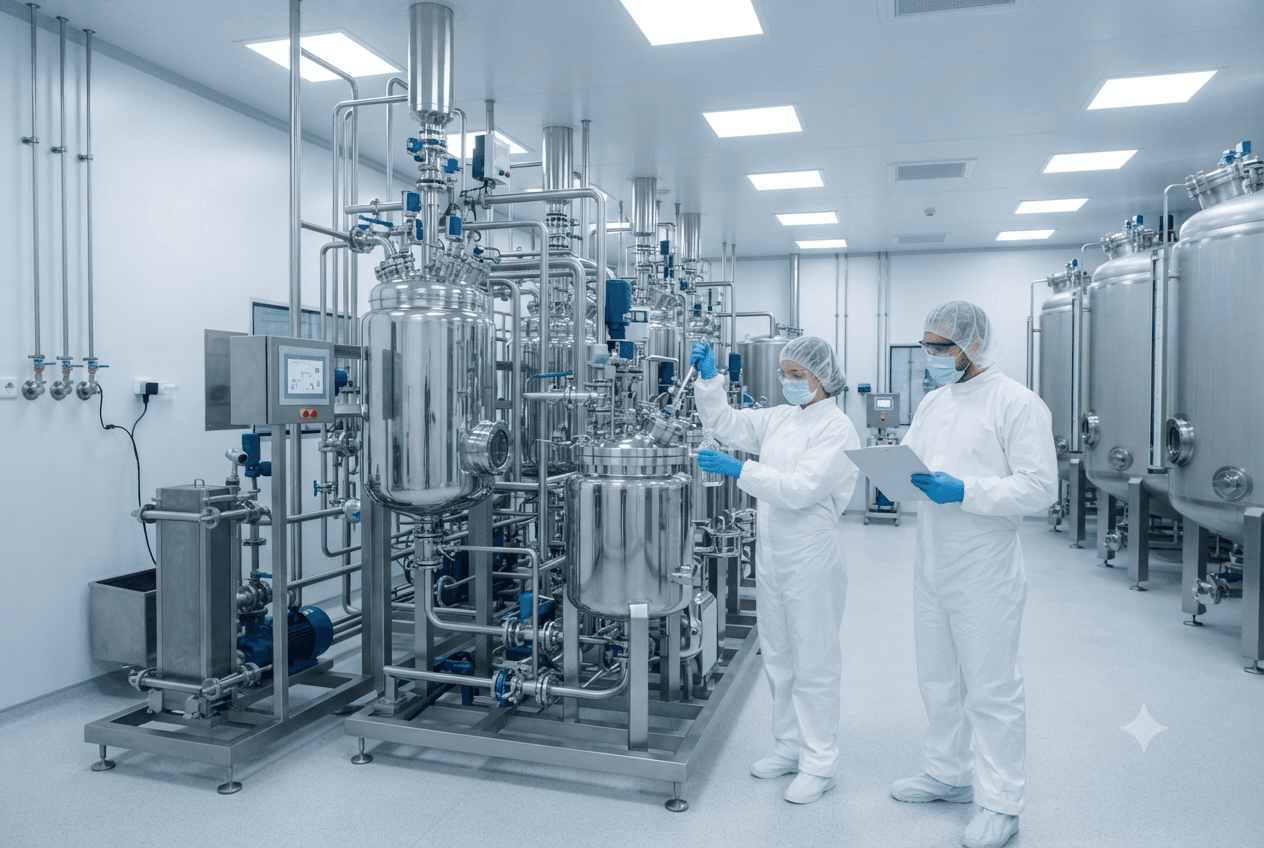

Trifluoroacetic acid has moved from a routine laboratory reagent to a strategic raw material for pharmaceutical manufacturing. Following Solvay's closure of its European TFA production unit under its EUR 235 million restructuring programme, procurement teams supporting GLP-1 peptide manufacturing face a structurally tighter supply environment. At the same time, rapid capacity expansion among Indian CDMOs has accelerated demand for TFA, creating a market where supply growth no longer keeps pace with consumption. For companies producing GLP-1 active pharmaceutical ingredients, uninterrupted access to TFA now sits on the critical path of manufacturing continuity.
Why Trifluoroacetic Acid Is Essential for GLP-1 Manufacturing
Trifluoroacetic acid (TFA) plays a central role in Fmoc-based solid-phase peptide synthesis, the dominant manufacturing route for modern peptide therapeutics.
During peptide production, TFA removes protecting groups from amino acids while also cleaving the finished peptide from the solid resin. Without this deprotection step, peptide synthesis cannot proceed to completion.
Unlike many processing chemicals that can be substituted with alternative reagents, TFA remains the preferred industry standard because it delivers high reaction efficiency, predictable process performance and well established regulatory acceptance.
GLP-1 Demand Is Reshaping the TFA Market
The rapid expansion of GLP-1 medicines has transformed peptide manufacturing worldwide.
Pharmaceutical companies continue investing heavily in additional production capacity to meet growing demand for obesity and diabetes therapies. Indian contract development and manufacturing organizations have become major beneficiaries of this investment because of their large scale manufacturing expertise and competitive production economics.
As facilities increase peptide output, TFA consumption rises almost proportionally.
Industry estimates indicate that approximately 20 to 30 litres of TFA are required for every kilogram of peptide API produced during Fmoc-based synthesis. As production volumes increase, demand for high purity TFA follows the same trajectory.
Solvay's European Closure Creates Structural Supply Tightness
Supply disruptions often result from logistics delays or temporary plant outages.
The current TFA market differs because one of Europe's established production assets has permanently exited the market through Solvay's restructuring programme.
This development reduces regional manufacturing flexibility while demand continues to accelerate.
Even if other producers increase operating rates, replacing dedicated production capacity requires significant investment, regulatory approvals and construction timelines measured in years rather than months.
Why Indian CDMOs Face Greater Procurement Pressure
India has become one of the fastest growing locations for peptide manufacturing.
Major CDMOs including Divi's Laboratories, Biocon and Laurus Labs continue expanding GLP-1 manufacturing capabilities to serve global pharmaceutical companies.
That expansion creates several procurement challenges:
Every new peptide production line requires reliable access to high purity TFA throughout commercial manufacturing.
Larger production campaigns increase inventory requirements because consumption scales directly with API output.
Simultaneous capacity expansion across multiple companies intensifies competition for available supply.
Import dependence increases exposure to shipping delays and supplier allocation decisions.
For procurement managers, TFA has become a strategic manufacturing input rather than a routine laboratory chemical.
Supplier Qualification Can Delay Production Recovery
One of the most significant risks does not come from pricing alone.
A manufacturing interruption caused by TFA shortages can persist long after replacement material becomes available.
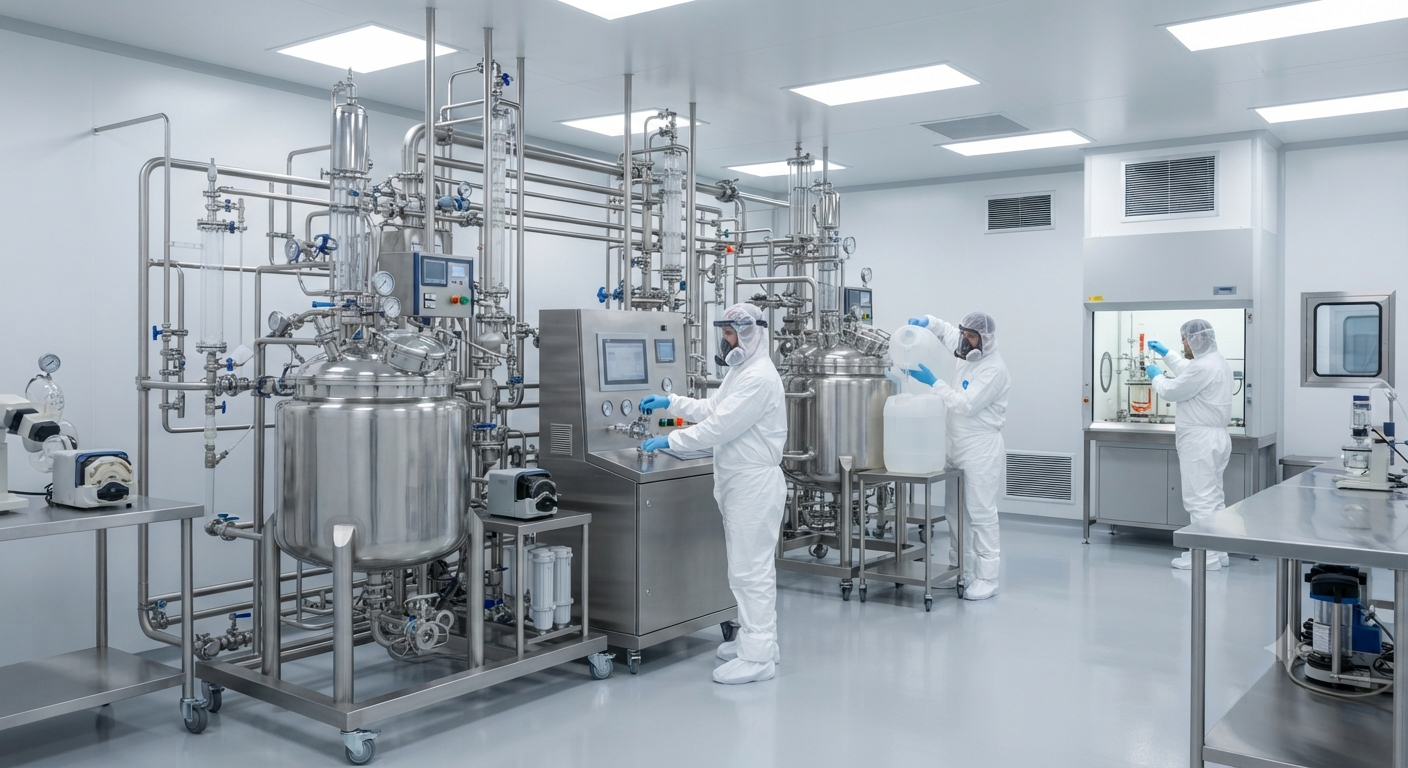
Pharmaceutical manufacturers cannot simply switch suppliers overnight because each new source typically requires technical evaluation, quality assessment and process qualification before commercial use.
For validated peptide manufacturing processes, this qualification work may require three to six months, creating a substantial operational risk if a single supplier experiences production issues.
Single Supplier Dependence Is No Longer Acceptable
Historically, many manufacturers purchased TFA through a preferred supplier supported by spot purchases when required.
That strategy becomes increasingly risky under structurally constrained supply conditions.
Companies relying on one qualified producer expose themselves to:
Production shutdowns if supply interruptions occur.
Delays in customer deliveries.
Increased contractual penalties.
Higher emergency procurement costs.
Reduced negotiating leverage during market shortages.
Diversification now represents a resilience strategy rather than simply a purchasing preference.
Price Drivers Extend Beyond Raw Material Costs
Several market forces influence TFA pricing.
Growing peptide manufacturing demand remains the primary driver, but additional factors also contribute.
These include:
Limited global production capacity.
Higher pharmaceutical grade quality requirements.
Transportation regulations for corrosive chemicals.
Energy and fluorochemical production costs.
Inventory building by manufacturers seeking supply security.
Procurement teams should expect price discussions to increasingly focus on allocation commitments and supply assurance instead of unit cost alone.
Procurement Strategies for Pharmaceutical Buyers
Managing TFA procurement now requires a long term approach.
The following actions can reduce operational risk.
Establish qualified agreements with multiple approved suppliers instead of relying on a single source.
Secure long term supply contracts before additional market demand absorbs available production.
Review inventory policies to ensure adequate safety stock for extended lead times.
Coordinate procurement planning closely with manufacturing expansion schedules.
Engage quality assurance teams early when qualifying secondary suppliers to shorten response times if disruptions occur.
These measures improve supply resilience while supporting uninterrupted peptide manufacturing.
Market Outlook Through the Next Several Years
The outlook suggests continued pressure across the TFA market.
GLP-1 medicines remain one of the fastest growing pharmaceutical segments, driving sustained investment in peptide production capacity across Asia, Europe and North America.
Although additional fluorochemical production may gradually enter the market, supply expansion is unlikely to match immediate demand growth. Structural tightness could therefore persist until meaningful new production capacity becomes operational and fully qualified for pharmaceutical applications.
What Pharmaceutical Procurement Teams Should Do Now
TFA has become a strategic manufacturing reagent for the peptide industry. The combination of expanding GLP-1 production, permanent European capacity reductions and lengthy supplier qualification requirements creates a procurement environment where supply assurance carries greater value than short term price savings.
Companies supporting GLP-1 manufacturing should immediately evaluate supplier concentration, strengthen inventory resilience and implement qualified multi supplier sourcing strategies. A single disruption in TFA availability has the potential to interrupt peptide API production for months, making proactive procurement planning essential for business continuity.
Ready to source trifluoroacetic acid from verified global suppliers? Explore competitive offers on our platform today.
Glacial Acetic Acid (99,8%) - China CAS: 64-19-7