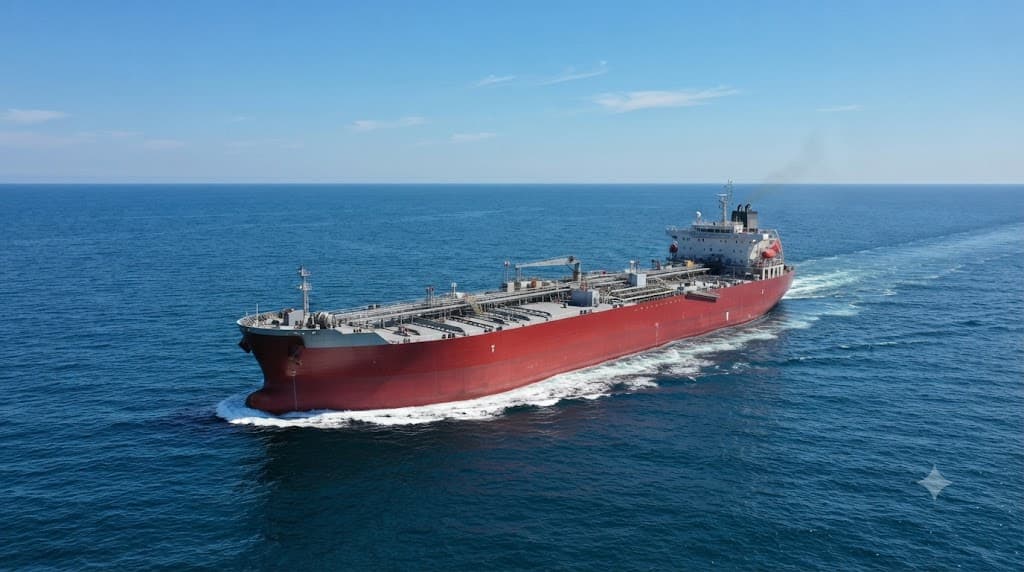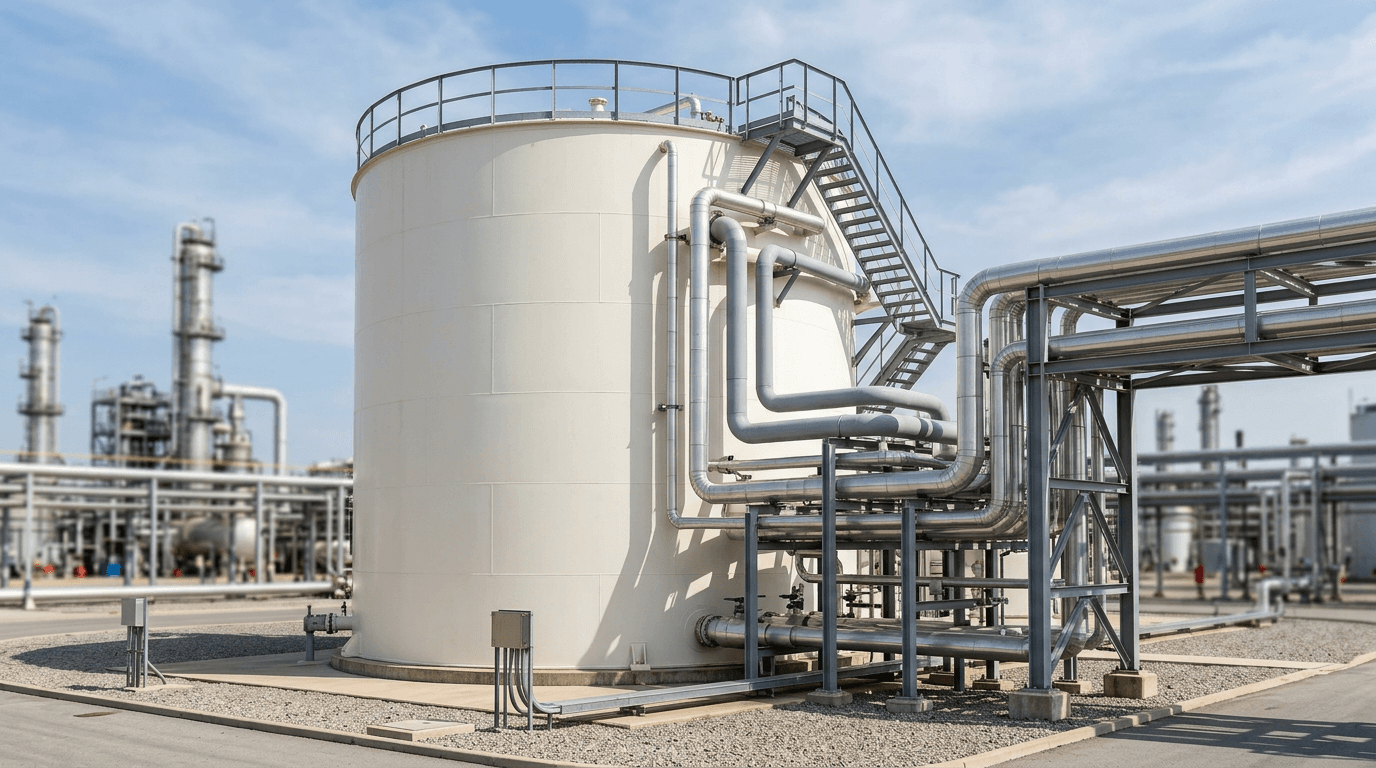

India’s petrochemical buyers are facing a critical deadline as the zero-duty import window on 40 petrochemical products reaches expiry at midnight on June 30, 2026. The temporary exemption, introduced on April 2, 2026, helped manufacturers reduce input costs during a period of global supply uncertainty.
The policy decision has created a final purchasing window for companies importing key materials such as methanol, styrene, polyethylene, polypropylene, PVC, MEG, PTA and acetic acid. From July 1, shipments that do not receive customs clearance before the deadline will move back to standard duty rates, expected around 5% to 7.5%.
For Indian manufacturers across plastics, textiles, pharmaceuticals and automotive components, the immediate priority is reviewing shipment status, supplier commitments and inventory planning.
India Petrochemical Duty Waiver Explained and Why It Matters
The duty exemption was introduced as a temporary measure to support domestic industries during supply chain pressure linked to global energy and shipping disruptions.
The policy reduced import costs for a wide range of petrochemical inputs, allowing manufacturers to access international supply at more competitive prices.
The exemption covered products used across multiple industries, including:
Plastics production, where polymers such as PE, PP and PVC serve as essential manufacturing inputs.
Textile manufacturing, where petrochemical derivatives support synthetic fibre production.
Automotive components, where polymers and chemical materials contribute to lightweight parts and industrial applications.
Pharmaceutical and specialty industries, where certain chemical intermediates support production processes.
For buyers, the benefit was not only lower customs costs but also improved flexibility when comparing domestic and international suppliers.
Why the Government May Not Extend the Zero-Duty Import Benefit
The extension decision was linked to global supply conditions, especially developments around the Strait of Hormuz and Gulf exports.
When the exemption was introduced, concerns over energy transportation risks created uncertainty for petrochemical availability and pricing. However, conditions have shifted as Gulf export activity has recovered.
Saudi Arabia’s Ras Tanura terminal has restarted operations, Gulf exports have recovered to approximately 75% of previous levels and Brent crude remains around $72.60.
This recovery has reduced the immediate pressure behind maintaining the exemption.
The government’s assessment appears focused on balancing industrial support with revenue considerations. The temporary waiver reportedly impacted customs revenue by approximately ₹1,800 crore.
What Happens to Petrochemical Imports After June 30
From July 1, imported petrochemical products that previously entered under the exemption will face regular customs duty structures.
For procurement teams, the impact will depend on product category, supplier pricing and current inventory levels.
Potential effects include:
Higher landed costs for imported raw materials.
Pressure on manufacturers that rely heavily on international suppliers.
Possible price adjustments across downstream industries.
Greater focus on domestic availability and alternative sourcing regions.
Companies with shipments already cleared before the deadline will continue benefiting from the exemption conditions applied during the clearance process.
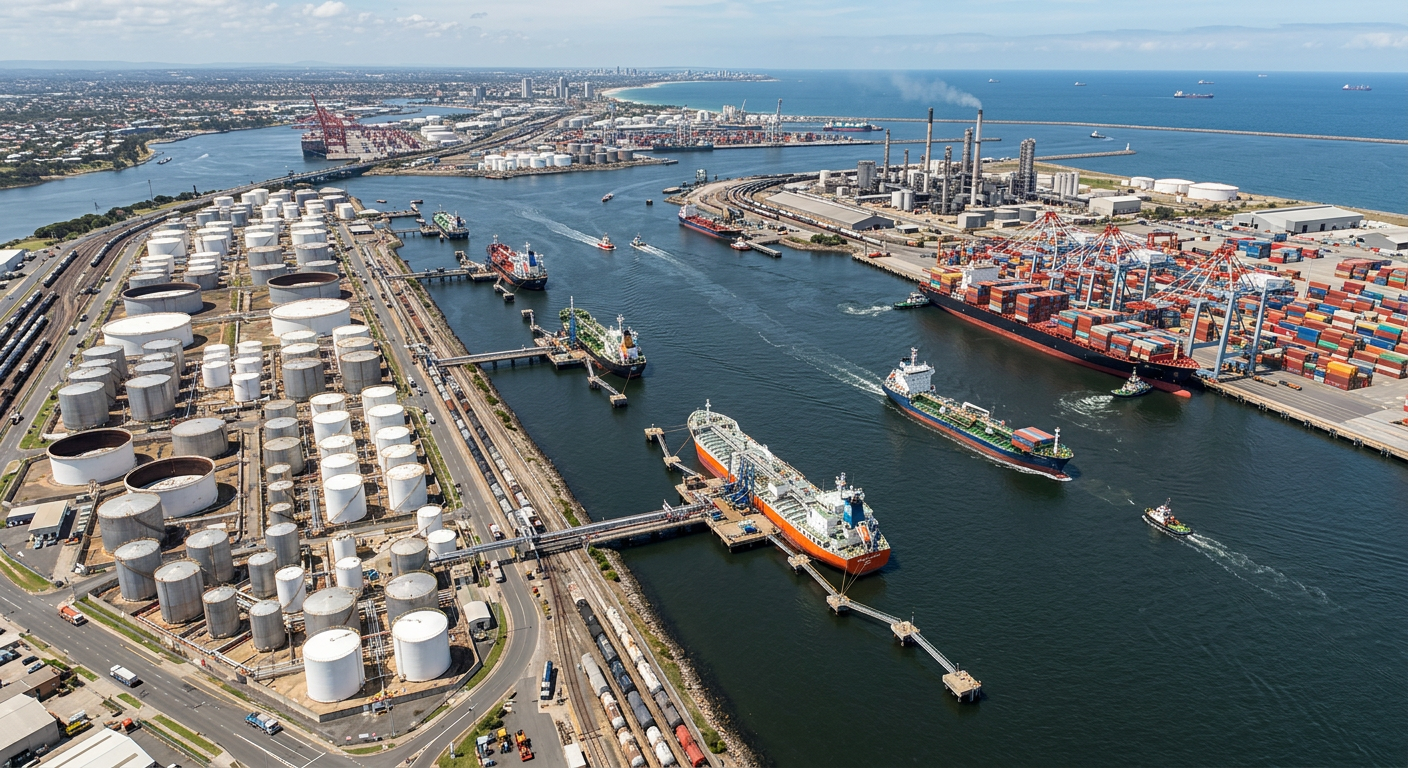
Chemical Buyers Need Better Cost Planning After Duty Changes
The end of the exemption does not automatically mean a major market disruption. However, procurement teams should expect a shift in purchasing calculations.
A small percentage change in import duty can significantly affect large-volume chemical purchases. Buyers must consider the complete landed cost, including freight, insurance, customs charges and supplier pricing.
Procurement managers should review:
Current contracts and delivery schedules with international suppliers.
Inventory coverage for critical raw materials.
Expected duty impact on upcoming purchases.
Opportunities to negotiate revised supplier terms.
Companies that plan early can reduce exposure to sudden cost increases.
Impact on Plastics, Textiles and Manufacturing Industries
India’s manufacturing sector depends heavily on stable petrochemical supply. Changes in import costs can influence production economics across multiple value chains.
Plastic processors using polyethylene, polypropylene and PVC may need to reassess material sourcing strategies.
Textile producers using synthetic fibre inputs could face changes in raw material costs depending on global pricing conditions.
Automotive component manufacturers may also monitor polymer availability because cost increases can affect supplier negotiations and finished product pricing.
The effect will vary between companies based on their import dependency and ability to switch suppliers.
Global Supply Conditions Still Influence Indian Chemical Markets
Although the duty waiver is ending, international chemical markets remain connected to global energy and logistics conditions.
Petrochemical pricing continues to depend on:
Crude oil and natural gas trends.
Production levels from major exporting regions.
Freight availability and shipping routes.
Demand recovery in manufacturing markets.
The recent improvement in Gulf exports provides some stability, but buyers should continue tracking global developments.
Procurement Strategies After the Duty Waiver Expiry
A stronger sourcing strategy will become increasingly important after the exemption period ends.
Chemical buyers can improve resilience by:
Building relationships with multiple qualified suppliers.
Comparing domestic and imported sourcing options.
Maintaining realistic safety stock levels.
Monitoring regulatory announcements closely.
Using market platforms to compare supplier offers and pricing trends.
A flexible approach helps companies respond faster when policies, freight costs or market conditions change.
The Future of India’s Petrochemical Import Market
The expiry of the duty waiver highlights the importance of policy changes in chemical trade planning. Temporary measures can create opportunities, but companies must prepare for normal market conditions once support programs end.
India’s demand for petrochemical products continues to grow through manufacturing expansion, infrastructure development and consumer industries.
Future procurement success will depend on balancing cost efficiency with supply reliability.
What Buyers Should Do Before the Next Market Shift
Indian chemical buyers should treat the duty waiver expiry as a reminder to strengthen long-term procurement planning. Short-term savings opportunities are valuable, but sustainable sourcing requires visibility into regulations, suppliers and global market conditions.
Companies that monitor policy changes, maintain diversified supply networks and negotiate proactively will be better positioned as the market adjusts.
Ready to source petrochemical products from verified global suppliers? Explore competitive offers on our platform today.
Polyethylene Terephthalate (PET) CAS: 25038-59-9