
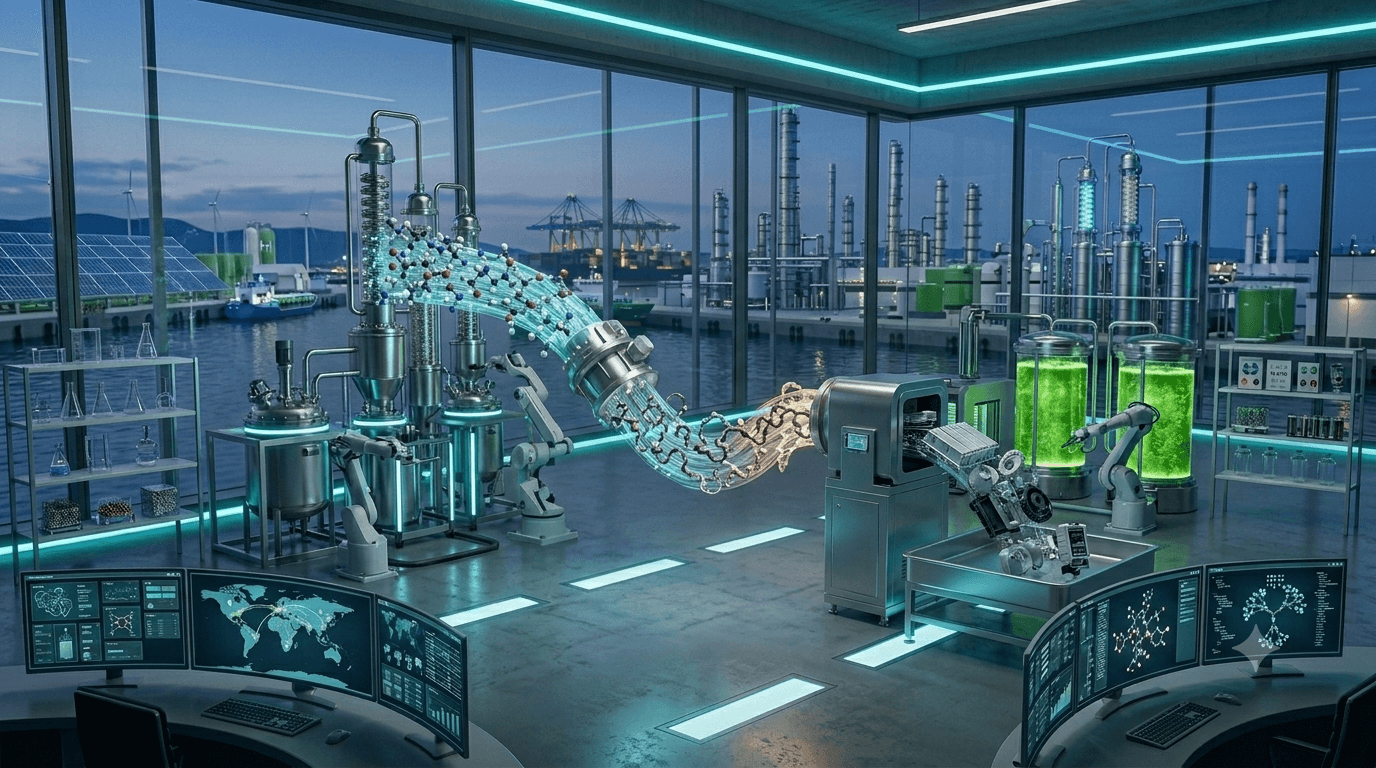


2-Ethylhexyl Acrylate CAS: 103-11-7

Recent geopolitical developments have renewed attention on PCS Singapore's force majeure position and its implications for regional petrochemical supply. Buyers of polyethylene, polypropylene and ethylene derivatives should reassess supplier communication and supply chain contingency plans.
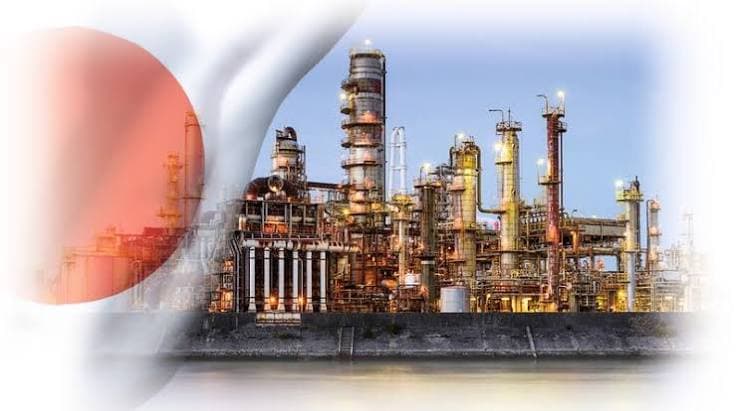
Japan's chemical industry closes H1 2026 having overcome its most severe naphtha supply disruption in decades through strategic reserves and diversified imports. As crackers prepare for a gradual recovery, buyers should focus on improving supply security rather than expecting an immediate return to full operating rates.
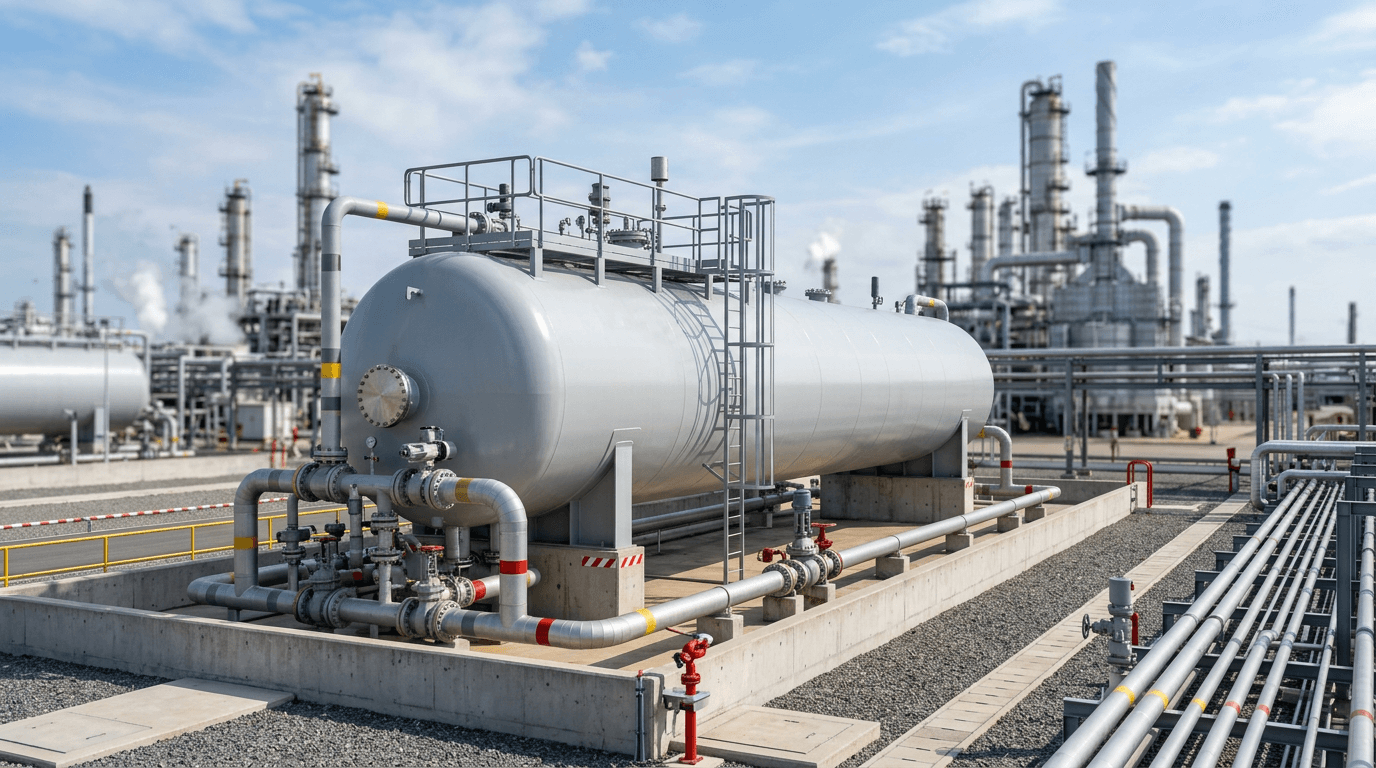
China’s expanding domestic petrochemical capacity helped replace Gulf PTA and paraxylene supply during recent disruptions. As Gulf exports begin returning, PTA buyers need to assess how new competition could affect pricing and sourcing strategies.
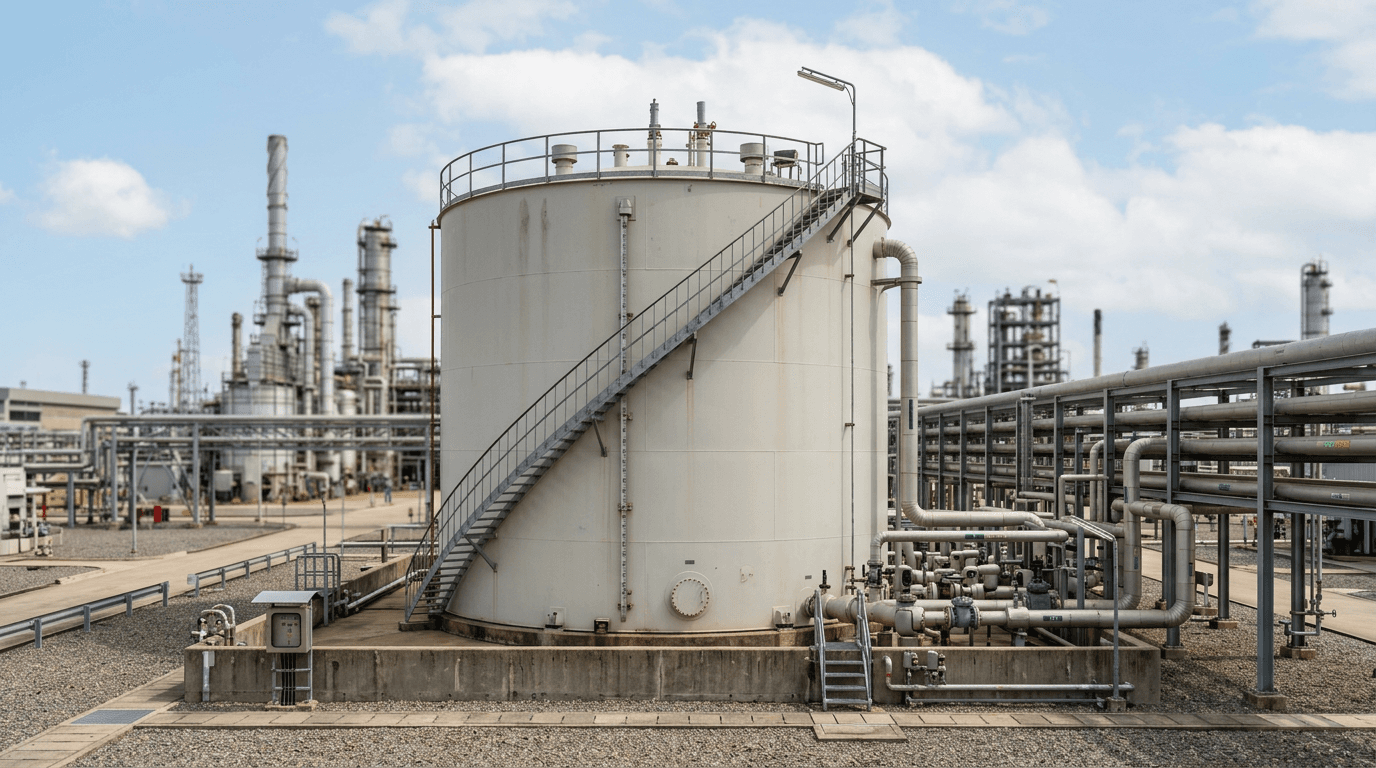
US ethane-based polyethylene gained market share in Asia during Gulf supply disruptions, but returning Gulf PE exports may reshape sourcing decisions in the second half of 2026. This analysis helps buyers compare origin, freight and contract strategies.

The destruction of a large portion of Iran's petrochemical infrastructure has transformed a temporary logistics disruption into a long-term supply challenge. Ethylene and propylene buyers across global markets now face structural sourcing adjustments as Iranian production recovery could take well over a year.
China’s tightening export controls on herbicides, pesticides, and key fertilizer inputs have rattled global agrochemical supply chains. Buyers are diversifying suppliers, boosting inventories, and rethinking procurement strategies. The shift is reshaping the industry’s risk profile and trade patterns.
We're committed to your privacy. Tradeasia uses the information you provide to us to contact you about our relevant content, products, and services. For more information, check out our privacy policy.