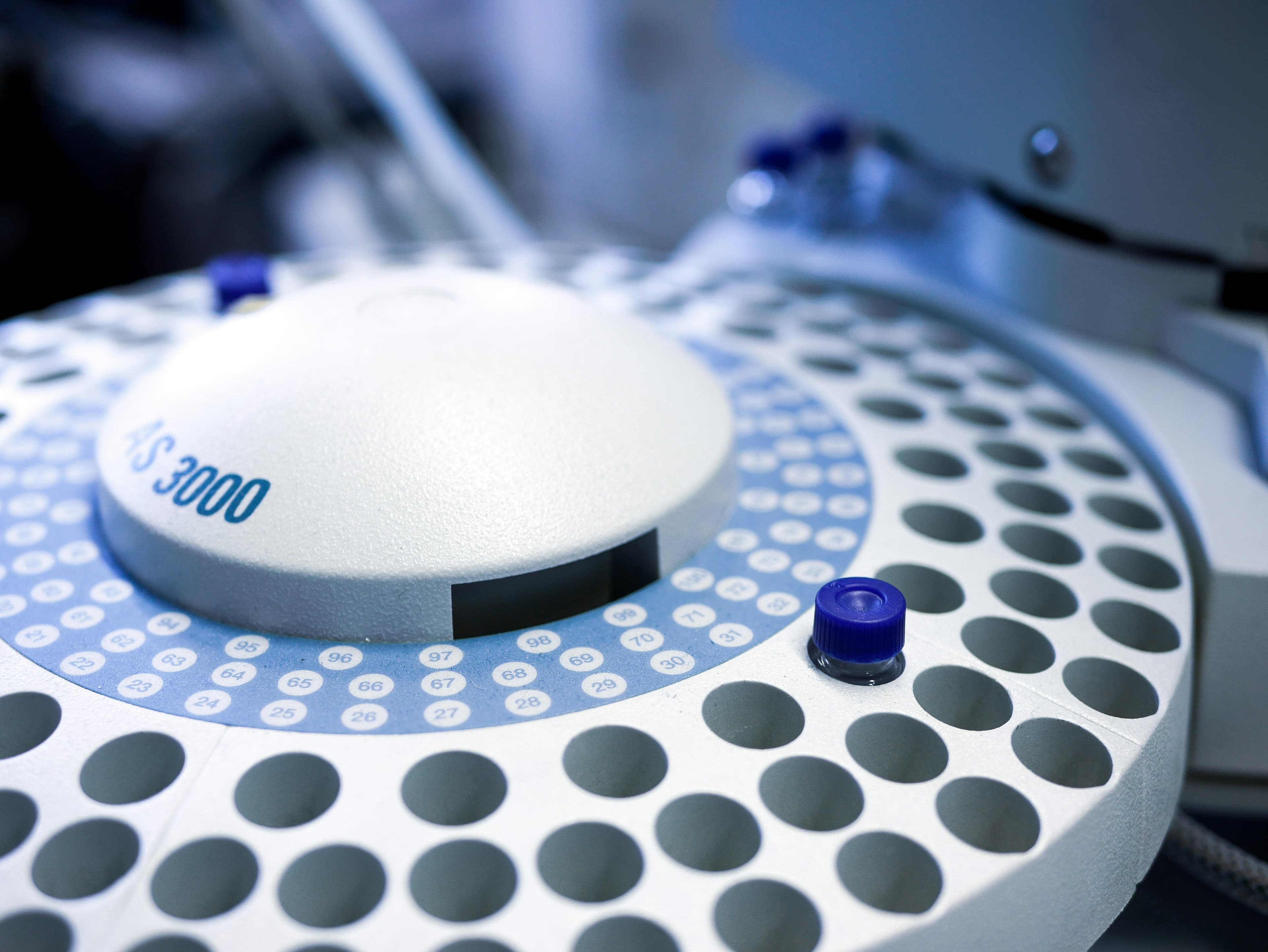

The global demand for GLP-1 therapies continues to accelerate as these medicines gain wider adoption for diabetes management and obesity treatment. To support future generic opportunities and contract manufacturing demand, India's pharmaceutical industry is investing heavily in peptide synthesis infrastructure and expanding API production capacity. Major CDMOs and pharmaceutical manufacturers are commissioning new facilities capable of producing complex peptide-based active pharmaceutical ingredients.
Unlike conventional pharmaceutical manufacturing, GLP-1 API production relies on highly specialized raw materials, sophisticated synthesis technologies, and exceptionally high-purity processing chemicals. As production scales throughout H2 2026, procurement teams must focus not only on manufacturing capacity but also on securing reliable supplies of peptide synthesis chemicals, pharmaceutical-grade solvents, purification materials, and laboratory reagents.

India's GLP-1 Manufacturing Expansion
India has emerged as one of the fastest-growing destinations for peptide API manufacturing. Pharmaceutical companies are investing in advanced production facilities to meet increasing international demand while preparing for future patent expiries.
Key drivers include:
Expansion of CDMO capabilities
Growing global demand for peptide drugs
Increased investment in API manufacturing
Export opportunities
Advanced manufacturing technologies
Government support for pharmaceutical production
The continued expansion of manufacturing capacity is expected to strengthen India's position in the global peptide pharmaceutical market.
Peptide Synthesis Requires Specialized Raw Materials
Unlike traditional small-molecule APIs, peptide manufacturing involves a series of highly controlled synthesis steps requiring specialized chemicals.
Critical raw materials include:
Protected amino acids
Coupling reagents
Solid-phase synthesis resins
Cleavage reagents
High-purity solvents
Purification chemicals
The quality of these materials directly affects production yield, purity, and regulatory compliance.
Butyl Acetate (99,5%) - Singapore CAS: 123-86-4
Fmoc Amino Acids Remain the Foundation of Peptide Production
Fmoc-protected amino acids serve as the primary building blocks for modern solid-phase peptide synthesis.
Procurement teams should evaluate suppliers based on:
Product purity
Batch consistency
Regulatory documentation
Manufacturing capacity
Technical support
Supply reliability
Demand for pharmaceutical-grade amino acids is expected to continue increasing as peptide production expands globally.
DMF and TFA Are Becoming Strategic Procurement Items
Among all peptide manufacturing chemicals, Dimethylformamide (DMF) and Trifluoroacetic Acid (TFA) have become particularly important.
DMF is widely used during peptide synthesis because of its excellent solvent properties.
TFA is essential for:
Peptide cleavage
Deprotection reactions
Purification processes
Final product preparation
Because these chemicals require extremely high purity, procurement teams should establish reliable long-term supply agreements rather than relying on spot purchases.
High-Purity Solvents Support Manufacturing Quality
Every stage of peptide manufacturing depends on pharmaceutical-grade solvents.
Frequently used solvents include:
DMF
NMP
Acetonitrile
Methanol
Ethanol
DMSO
Even small variations in solvent quality can influence reaction efficiency, product recovery, and final API quality.
Supplier qualification should therefore include comprehensive quality audits and documentation reviews.
Quality Control Standards Continue to Rise
GLP-1 APIs are manufactured under strict international regulatory standards.
Procurement departments should ensure suppliers provide:
GMP compliance
Certificate of Analysis (CoA)
Batch traceability
Impurity profiles
Stability data
Regulatory documentation
Maintaining consistent raw material quality helps pharmaceutical manufacturers satisfy both domestic and international regulatory requirements.

Supply Chain Diversification Is Increasingly Important
The rapid growth of peptide manufacturing means procurement teams should avoid dependence on a single supplier or sourcing region.
Recommended procurement strategies include:
Qualify multiple raw material suppliers.
Establish regional sourcing alternatives.
Monitor supplier capacity expansion.
Secure annual supply agreements.
Maintain strategic inventory.
Conduct regular supplier performance reviews.
These measures improve manufacturing continuity while reducing exposure to supply disruptions.
Long-Term Investment in Peptide Manufacturing
The GLP-1 market represents more than a short-term pharmaceutical trend. Continued innovation in metabolic disease treatment is expected to support sustained investment in peptide manufacturing technologies.
Future opportunities include:
New peptide therapeutics
Contract manufacturing services
Export growth
Process optimization
Continuous manufacturing
Advanced purification technologies
Companies investing in robust procurement systems today will be better positioned for long-term market growth.
Market Outlook
India's peptide manufacturing industry is expected to expand significantly during the second half of 2026 as pharmaceutical companies continue increasing GLP-1 API production capacity. Demand for Fmoc amino acids, SPPS resins, pharmaceutical-grade DMF, TFA, and high-purity laboratory chemicals is likely to remain strong as new facilities begin commercial production.
For procurement teams, the priority will be securing reliable supplies of high-quality peptide synthesis materials while maintaining regulatory compliance and managing cost volatility. Companies that establish long-term supplier partnerships, diversify sourcing, and strengthen quality assurance programs will be well positioned to support India's growing role in the global GLP-1 pharmaceutical supply chain.
Key Takeaways
India's GLP-1 API manufacturing capacity continues expanding rapidly.
Peptide manufacturing requires specialized pharmaceutical chemicals.
Fmoc amino acids remain essential raw materials for peptide synthesis.
DMF and TFA have become strategic procurement chemicals.
High-purity solvents directly influence API quality.
Regulatory documentation remains critical during supplier qualification.
Supplier diversification reduces procurement risk.
Long-term contracts help secure critical peptide manufacturing materials.
India's pharmaceutical industry is positioned for continued growth in peptide API production throughout H2 2026.