
Related Insights
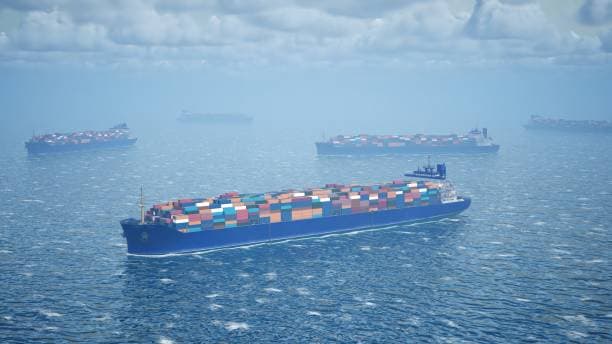
6,000 Seafarers Stranded as Hormuz Traffic Drops, Fueling Shipping Crisis
Approximately 6,000 seafarers are trapped in the Gulf as vessel movements through the Strait of Hormuz fall below normal levels. This bottleneck is not only an operational headache for shipping lines but also a humanitarian crisis and a threat to the chemical supply chain that fuels global commerce. The article explores the ripple effects across maritime logistics, crew welfare, and chemical transport.
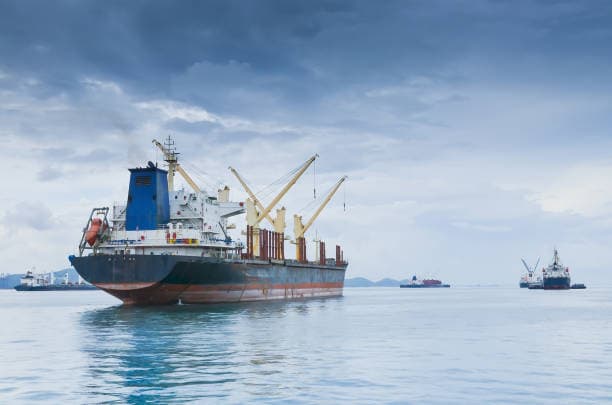
Ceasefire Collapse Reopens Hormuz Shipping Crisis, Threatening Global Supply Chains
The sudden end of a regional ceasefire has formally reopened the Hormuz shipping crisis, କ re‑igniting fears of major disruptions in the Strait of Hormuz. This development threatens to ripple through chemical logistics, tanker operations, freight rates, and global supply chains, especially in the fertilizer sector.
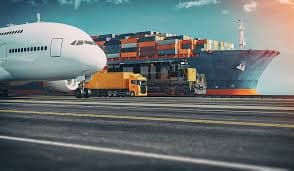
The Nine Carrier Convoy Posture Update: Who Is Escorted, Who Is Rerouting, Who Is Suspended
Global shipping has entered a more nuanced operational phase as convoy operations begin supporting selected Gulf transits. While the world's largest container carriers continue relying on Cape of Good Hope routing, convoy participation is creating a different recovery pathway for chemical tankers and bulk carriers already positioned inside the Gulf.

Electronic Chemicals and the Semiconductor Supply Chain: Congress Tightens Focus on Critical Minerals
Electronic chemicals and specialty gases are now seen as defense‑critical, as a July 2026 CRS report highlighted the risk of Hormuz disruptions to sulfur and rare‑gas supplies. Congress is moving to classify these materials, unlocking federal incentives and reserve mechanisms. Procurement managers must map their portfolios to align with the new security‑of‑supply framework.
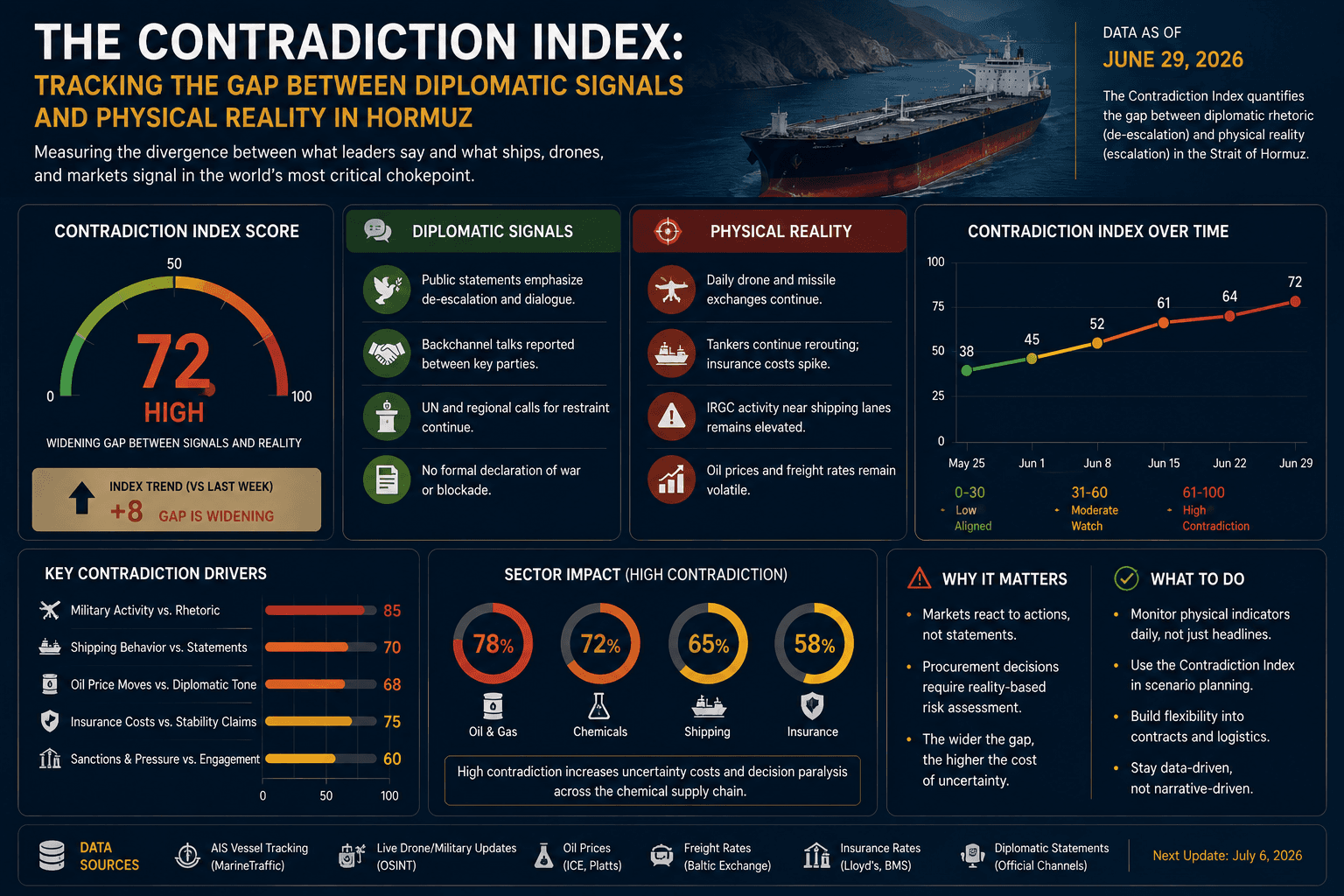
The Contradiction Index: Tracking the Gap Between Diplomatic Signals and Physical Reality in Hormuz
July 1 reveals the biggest contradiction of the Hormuz crisis so far: diplomacy suggests progress, but physical shipping data shows continued disruption. For chemical procurement professionals, understanding the gap between political signals and operational reality has become essential for making correct supply chain decisions.

485 Vessels Still Anchored: What the Gulf Shipping Backlog Means for Chemical Logistics in H2 2026
Gulf exports have recovered significantly during H1 2026, yet hundreds of vessels remain anchored across the region. This backlog highlights why chemical buyers should expect a gradual logistics recovery rather than an immediate return to normal shipping conditions.
Don't miss out on our updates! Subscribe to our newsletter now
We're committed to your privacy. Tradeasia uses the information you provide to us to contact you about our relevant content, products, and services. For more information, check out our privacy policy.