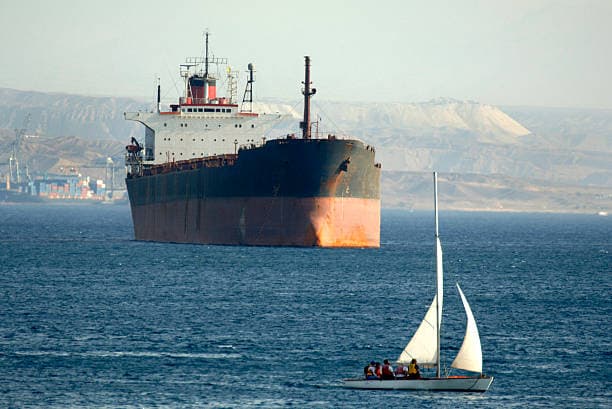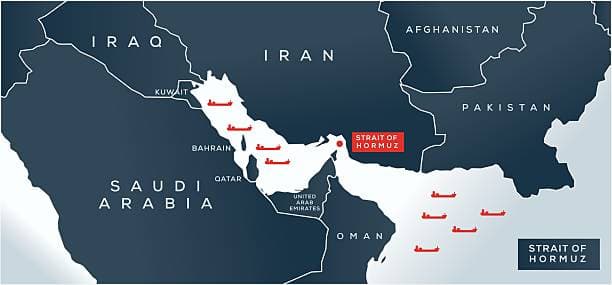
The close of H1 2026 presents a mixed picture for Gulf shipping. Export volumes have recovered to roughly 75 percent of pre-war levels, suggesting meaningful progress after months of disruption. At the same time, 485 vessels remain anchored or stopped across the Gulf region, confirming that the shipping system has not yet returned to normal operating conditions.
For chemical traders, procurement managers and logistics teams, this distinction matters. Higher export volumes indicate improving supply, but the remaining vessel backlog shows that congestion, operational constraints and elevated risk continue to influence delivery schedules. H2 2026 is therefore likely to be defined by steady recovery rather than a rapid return to pre-crisis efficiency.
Why the Vessel Backlog Still Matters
Anchored vessels represent more than ships waiting offshore.
Each delayed vessel ties up cargo capacity, crew resources and shipping schedules that affect the wider maritime network.
As vessels wait longer to load, discharge or transit key routes, the effects spread across regional supply chains.
For chemical buyers, this can result in:
Longer lead times for export cargoes.
Reduced schedule reliability.
Less flexibility when booking shipping space.
Increased storage and inventory planning requirements.
These operational impacts remain important even when overall export volumes continue to improve.
From More Than 800 Vessels to 485
The reduction from more than 800 anchored or stopped vessels during May to approximately 485 by the end of H1 represents genuine progress.
Ports, shipping companies and regional authorities have gradually restored commercial activity following months of disruption.
However, recovery should not be mistaken for full normalisation.
Nearly five hundred vessels still waiting across the Gulf represents a significant operational burden that continues to influence freight markets and voyage planning.
The remaining congestion demonstrates that rebuilding shipping efficiency takes considerably longer than restarting exports.
Why Gulf Exports Can Recover Before Shipping Fully Normalises
Many market observers focus primarily on export volumes.
While export data provides an important measure of recovery, it does not capture every aspect of logistics performance.
Several indicators may improve at different speeds.
Production facilities can resume operations before shipping schedules stabilise.
Export terminals may increase loading activity while vessel queues remain elevated.
Cargo volumes can recover even as freight costs stay above historical averages.
Transit times may remain inconsistent despite higher shipment numbers.
Understanding these differences helps procurement teams avoid overly optimistic assumptions about delivery performance.
Three Factors Continue to Slow Recovery
The remaining shipping backlog reflects several operational challenges rather than a single cause.
The most important constraints include:
Incomplete mine clearance activities in parts of the central shipping channel, limiting the pace at which normal traffic patterns can resume.
Continued disruption within the marine insurance market, where elevated war risk premiums affect voyage economics and scheduling decisions.
Ongoing concern about renewed attacks following incidents involving the Ever Lovely and Kiku, encouraging cautious operational planning by shipowners and charterers.
Together, these factors create a recovery environment where progress continues, but at a measured pace.
What This Means for Chemical Supply Chains
Many internationally traded chemicals depend on efficient Gulf shipping routes. Products such as methanol, ammonia, caustic soda, sulphur and monoethylene glycol rely on consistent vessel availability and predictable transit schedules.
Even when production remains stable, shipping delays can increase landed costs, extend delivery times and complicate inventory planning for manufacturers and distributors.
Inventory Planning Becomes More Important
The remaining backlog suggests that buyers should continue prioritising inventory resilience during H2 2026. Rather than expecting shipping schedules to return immediately to historical reliability, procurement teams should prepare for occasional delays.
Practical measures include:
Ordering strategic raw materials earlier than normal.
Maintaining close communication with suppliers regarding vessel schedules.
Monitoring freight availability before confirming production plans.
Reviewing safety stock levels for chemicals sourced from Gulf exporters.
These actions can reduce the operational impact of unpredictable shipping movements.
Freight Markets May Improve Slowly
Shipping congestion typically eases over time rather than disappearing overnight. As anchored vessels complete voyages and port operations become more efficient, freight markets should gradually stabilise.
However, elevated insurance costs, continued security concerns and cautious scheduling by shipowners are likely to keep freight conditions tighter than historical norms throughout much of H2 2026.
Why Headline Export Numbers Tell Only Part of the Story
Export statistics provide valuable insight into production recovery, but they cannot fully describe logistics performance. Procurement professionals should monitor vessel backlogs, port congestion, freight rates, marine insurance costs and AIS vessel movements alongside export data.
Together, these indicators provide a far more accurate picture of supply chain conditions than export volumes alone.
The Bottom Line for Procurement Teams
The presence of 485 anchored or stopped vessels at the close of H1 2026 shows that Gulf shipping recovery remains incomplete. Export volumes have improved significantly, but vessel congestion, insurance challenges and ongoing security risks continue to slow the return to fully normal logistics conditions.
Chemical buyers should plan for continued gradual backlog clearance rather than expecting a rapid recovery during H2 2026. Building flexibility into sourcing strategies, maintaining appropriate inventory levels and closely monitoring shipping conditions will help minimise disruption as Gulf logistics continue their slow path toward normalisation.
Methanol CAS: 67-56-1