
Calcium Carbonate (Feed Grade) CAS: 2836-50-00
Calcium Carbonate (Feed Grade) CAS: 2836-50-00
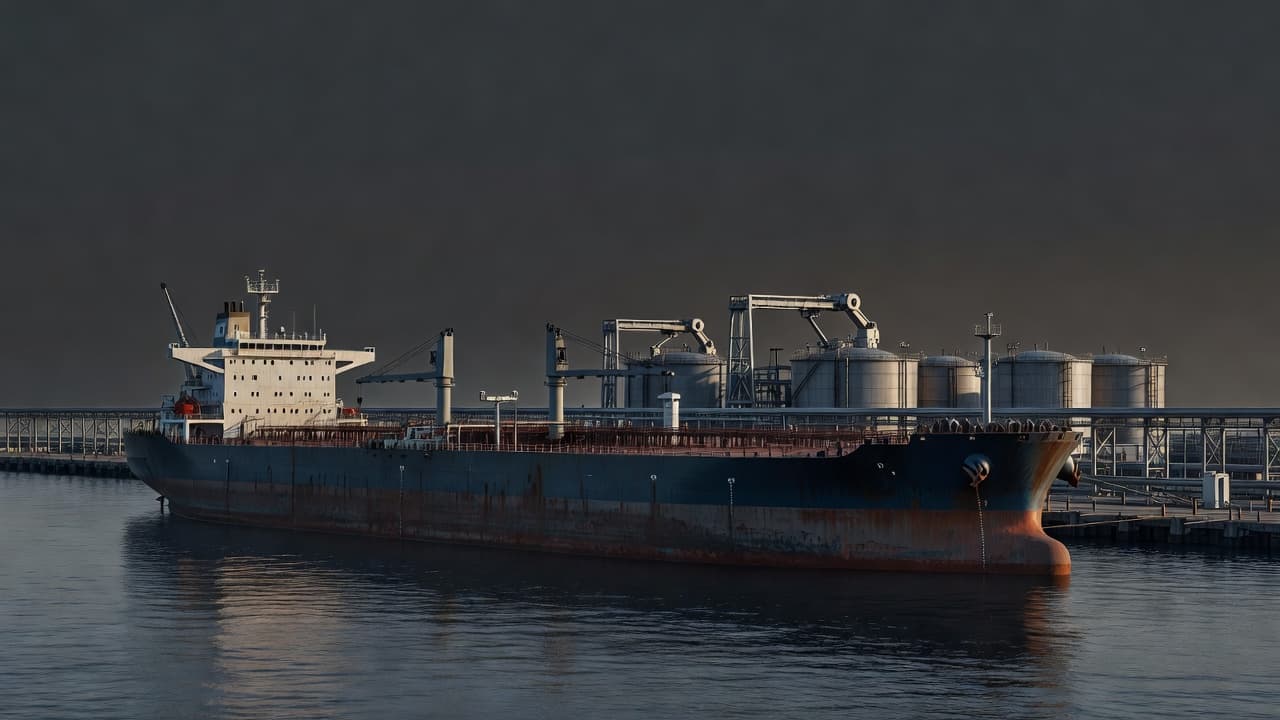
The termination of Treasury's authorization for Iranian oil sales and new transaction approvals marks an important shift in international trade compliance. Chemical companies should review procurement, logistics and financial exposure to ensure continued sanctions compliance.

The 2026 Hormuz crisis proved that traditional procurement systems are no longer enough during global supply chain disruption. Tools like Straits.live, ICIS, Xeneta, Kpler, and IMF PortWatch gave chemical buyers the real-time intelligence needed to make faster and smarter procurement decisions when conventional supplier communication failed.
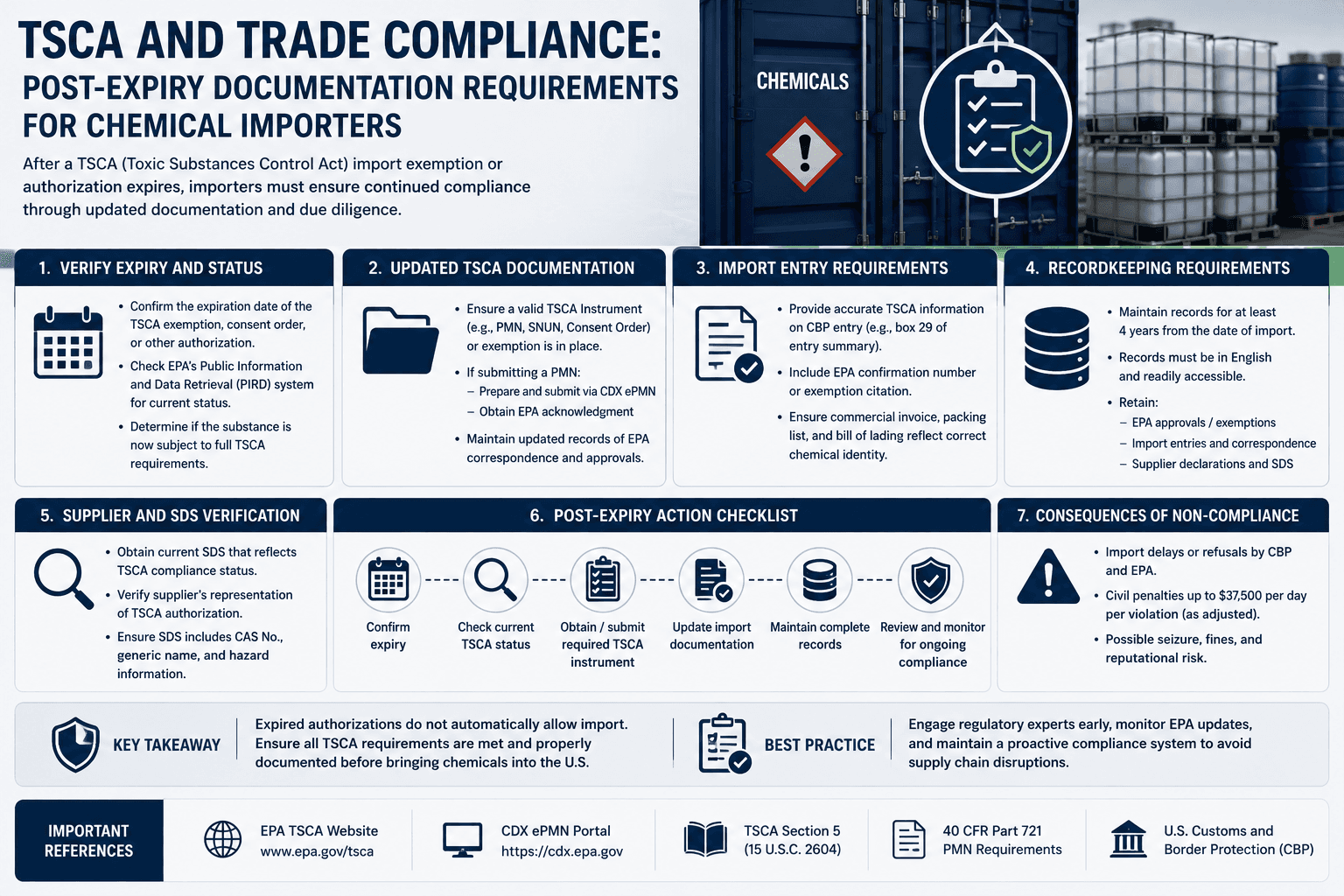
Although TSCA fee authority expired on June 22, chemical import documentation requirements remain unchanged for US importers. Companies with pending PMN submissions should act quickly, as reduced EPA funding may slow new chemical approval timelines in the months ahead.

Chemical buyers are facing one of the most complex procurement environments of 2026 as energy prices fall, Gulf supply recovers and geopolitical risks remain elevated. This weekly briefing highlights the critical signals shaping commodity chemical sourcing decisions.

Urea prices have dropped sharply after the Hormuz MOU, creating potential buying opportunities for fertilizer buyers despite ongoing supply recovery challenges.

Strong exports from Belarus and Russia are helping stabilize potash markets despite ongoing fertilizer demand growth.
We're committed to your privacy. Tradeasia uses the information you provide to us to contact you about our relevant content, products, and services. For more information, check out our privacy policy.