More than 4 billion pounds of new HDPE capacity is scheduled to enter the market in mid-2026, making it one of the most significant polyethylene developments of the year. The startup of the Chevron Phillips and QatarEnergy Golden Triangle Polymers facility in Texas arrives at a time when global polymer markets already face rising competition and shifting trade dynamics.
The new high-density polyethylene production capacity, equivalent to roughly 2 million tonnes annually, has the potential to alter regional supply balances, pressure export markets and improve availability for domestic North American buyers. While additional supply often creates opportunities for purchasers, the global market environment presents several challenges that could limit how easily these new volumes find homes overseas.
Golden Triangle Polymers Brings Major New HDPE Capacity Online
The Golden Triangle Polymers joint venture represents one of the largest recent investments in North American polyethylene production.
Located in Orange, Texas, the facility combines the resources of Chevron Phillips Chemical and QatarEnergy. The project strengthens the US Gulf Coast's position as a major center for polyethylene manufacturing and export activity.
The startup focuses initially on blow molding grades.
These grades support a wide range of applications including:
Industrial containers that require strength and chemical resistance.
Household packaging products used across consumer markets.
Bottles for food, beverage and personal care applications.
Agricultural and industrial storage solutions.
The sheer scale of the facility means its impact will extend well beyond North America.
Why the New HDPE Supply Matters in 2026
Global polyethylene markets have experienced significant changes during the past several years.
Multiple regions expanded domestic production while buyers increasingly diversified sourcing strategies. The addition of approximately 2 million tonnes of annual HDPE output introduces another substantial volume stream into an already competitive environment.
Several market implications stand out:
Export availability from the United States will increase significantly.
Global suppliers may face greater competition for market share.
Buyers could gain additional negotiating leverage.
Regional trade flows may shift as suppliers compete for demand.
For procurement teams, understanding where this material ultimately moves will be as important as understanding how much capacity becomes operational.
Export Markets Face Growing Competition
Most of the new production capacity targets export markets rather than domestic consumption.
Historically, Asia has served as a major destination for US polyethylene exports. Strong manufacturing sectors, growing consumer markets and expanding packaging industries created substantial demand for imported resin.
However, market conditions in 2026 differ from those seen during earlier expansion cycles.
Export suppliers now face:
Greater regional self-sufficiency among several Asian economies.
Additional local production projects entering operation.
More intense competition from domestic producers.
Higher logistical complexity in some trade routes.
As a result, placing large volumes of new material may prove more challenging than many expected when the project was first announced.
China's Expanding Capacity Changes the Competitive Landscape
China remains one of the most influential factors in the global polyethylene market.
The country plans to add approximately 5.7 million tonnes of incremental polyethylene and polypropylene capacity during the second half of 2026. These additions will further strengthen domestic production capabilities.
For international exporters, this development creates a more competitive environment.
When local production rises, buyers often reduce reliance on imported material. While imports remain important for specialty grades and supply flexibility, overall demand for foreign resin can decline.
This trend could directly affect the market opportunities available to new US HDPE volumes.
How Asian Self-Sufficiency Impacts Trade Flows
Many Asian countries have spent years investing in petrochemical infrastructure.
Governments and producers pursued these investments to improve supply security, support manufacturing industries and reduce import dependence. The result is a region with increasing production capabilities across several polymer categories.
Key consequences include:
More domestic resin availability within major consuming markets.
Reduced exposure to external supply disruptions.
Stronger competition among international suppliers.
Greater focus on product differentiation rather than volume alone.
Export-oriented producers must now compete not only on price but also on service reliability, logistics efficiency and product performance.
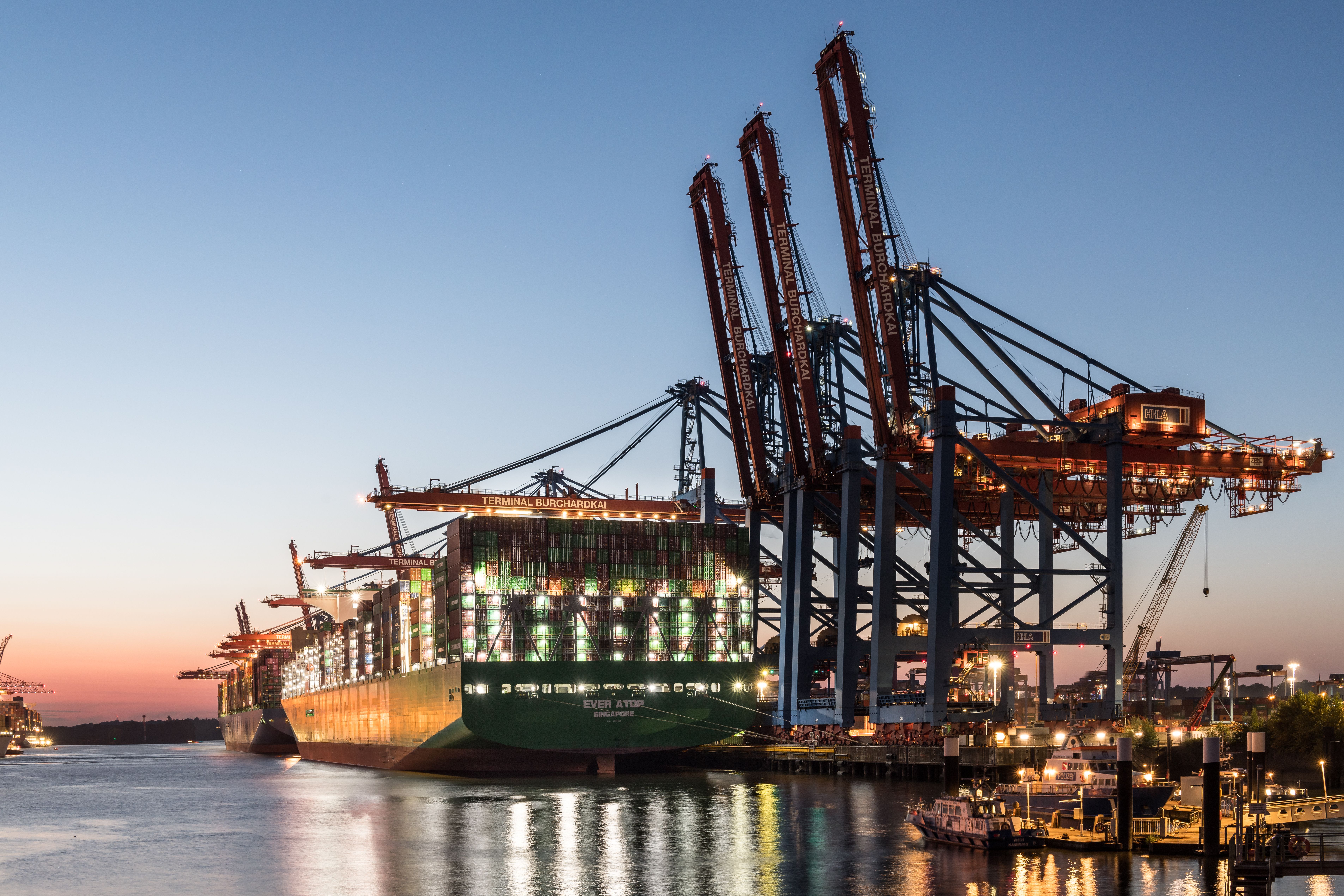
North American Buyers Could Benefit from Greater Availability
While export markets may become increasingly crowded, domestic buyers could see meaningful advantages.
Additional production capacity generally improves product availability within the local market. Greater supply often supports shorter lead times, improved supplier options and enhanced purchasing flexibility.
Potential benefits for North American buyers include:
More consistent access to HDPE grades.
Reduced risk of localized supply shortages.
Increased competition among suppliers.
Improved contract negotiation opportunities.
These benefits may become particularly valuable during periods of supply chain uncertainty.
Blow Molding Demand Remains a Critical Factor
The facility's initial focus on blow molding grades aligns with several important end-use markets.
Demand for packaging, industrial containers and consumer products continues to support consumption of these materials. However, growth rates vary significantly across regions and industries.
Buyers in the following sectors remain major consumers:
Food and beverage packaging manufacturers.
Chemical container producers.
Household products companies.
Agricultural packaging suppliers.
Industrial packaging converters.
Future demand growth within these segments will influence how quickly the market absorbs new production.
Pricing Implications for HDPE Buyers
Additional supply generally creates downward pressure on pricing, but market outcomes rarely follow a simple formula.
Several variables will determine pricing trends throughout the remainder of 2026. Feedstock costs, export demand, freight rates and regional operating rates will all influence market direction.
Buyers should monitor:
Operating performance at the new facility.
Export placement success.
Regional inventory levels.
Crude oil and feedstock movements.
Competitive capacity additions globally.
A balanced market response could create favorable purchasing opportunities without triggering severe pricing disruptions.
Procurement Strategies in a More Competitive HDPE Market
The evolving market environment creates opportunities for strategic buyers.
Procurement teams should evaluate both immediate supply improvements and longer-term competitive developments. Companies that remain flexible can potentially benefit from changing supplier dynamics.
Recommended approaches include:
Expanding supplier qualification programs.
Monitoring regional arbitrage opportunities.
Reviewing contract structures and pricing formulas.
Maintaining visibility into global capacity additions.
Tracking developments in China and other major importing regions.
The increasing complexity of the global polyethylene market rewards buyers who combine market intelligence with disciplined sourcing practices.
What Buyers Should Watch Through the Rest of 2026
The startup of the Golden Triangle Polymers facility represents more than just another capacity addition. It highlights the broader transformation taking place across global polyethylene markets as producers compete for growth in an increasingly crowded landscape.
While export-focused volumes may face strong competition from expanding Asian production, North American buyers could benefit from improved supply availability and stronger supplier competition. The balance between these forces will determine how successfully the market absorbs one of the year's largest HDPE capacity additions.
Procurement teams should pay close attention to export flows, Asian capacity growth and regional inventory trends. These factors will shape purchasing opportunities and market conditions well into 2027.
Ready to source high-density polyethylene from verified global suppliers? Explore competitive offers on our platform today.
High Density Polyethylene (HDPE) CAS: 9002-88-4