ASEAN Chemical Watch: Malaysia Insulated, Indonesia Reasserts Control, Vietnam’s Opportunity
Introduction
The ASEAN chemical landscape in 2026 is no longer moving as a single bloc. Instead, it is fragmenting into three distinct strategic trajectories shaped by feedstock structure, sovereign policy decisions, and manufacturing migration from China.
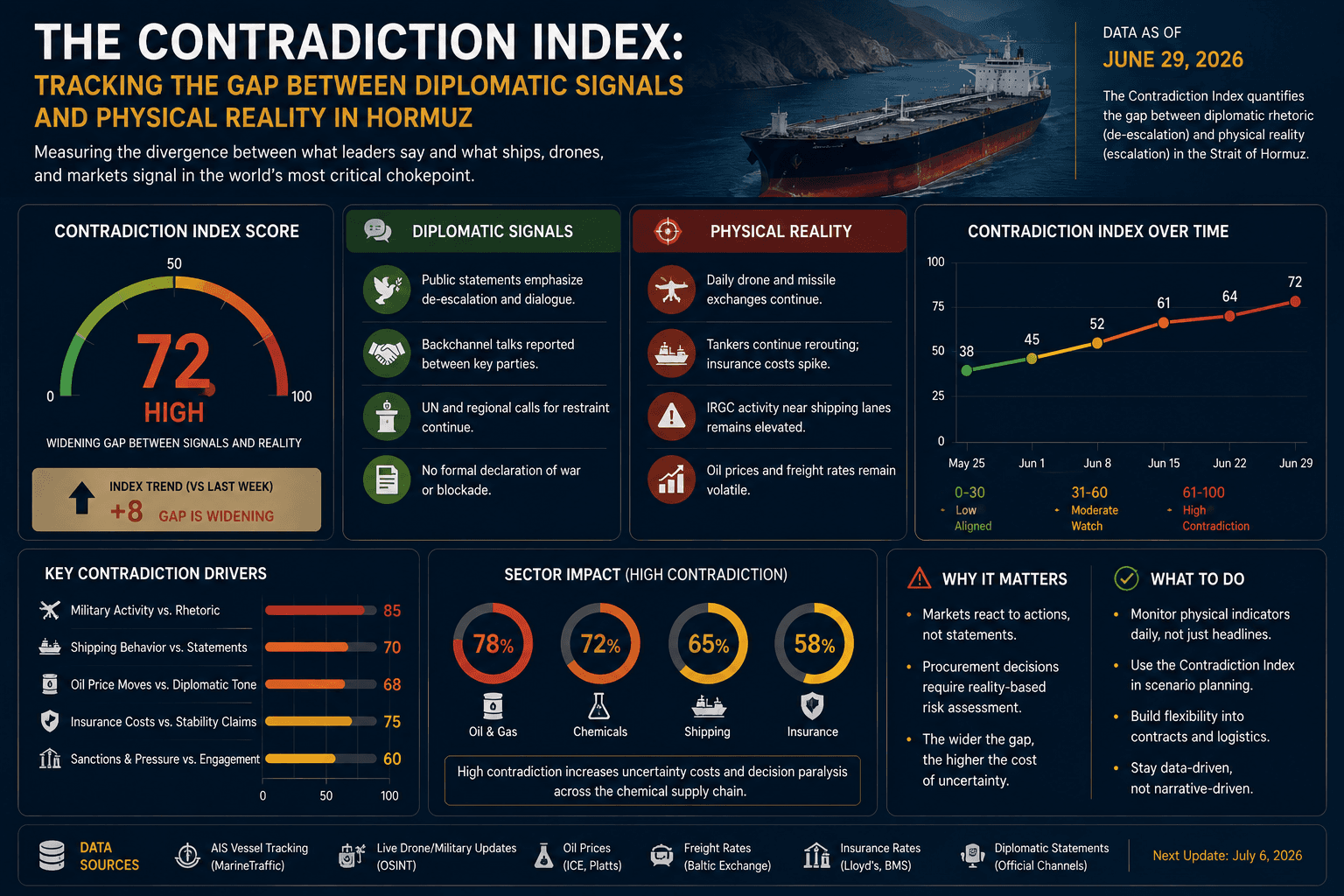
The Hormuz-linked supply disruptions have acted as an external stress test, revealing which economies are insulated, which are becoming more interventionist, and which are capturing new industrial demand.

1. Malaysia: Feedstock Advantage and Relative Insulation
Malaysia remains the most structurally insulated chemical producer in ASEAN due to its integrated petrochemical base and strong upstream linkages.
Key structural strengths:
Integrated oil and gas ecosystem via Petroliam Nasional Berhad (Petronas)
Access to domestic naphtha and gas-based feedstocks
Established downstream petrochemical complexes
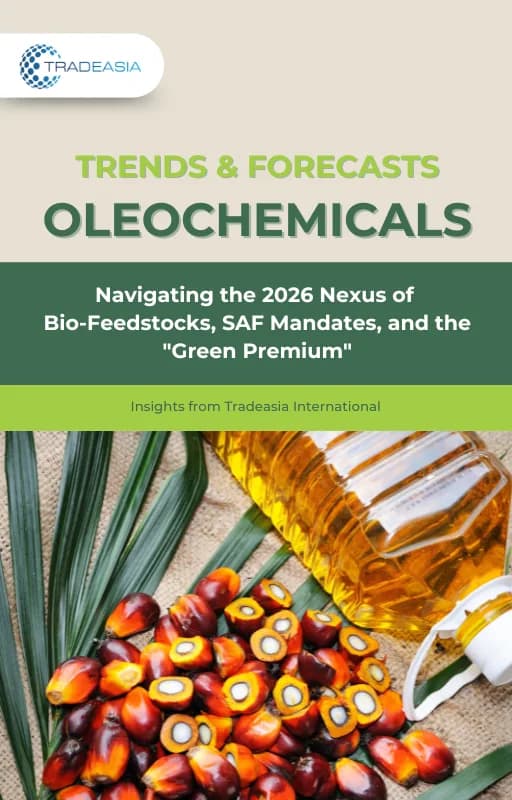
Strong palm oil-linked oleochemicals sector
Oleochemicals advantage:
Malaysia’s palm oil base supports production of:
Fatty acids
Surfactants
Glycerin derivatives
Specialty green chemicals
2026 impact:
Less exposure to Middle East supply shocks
Stable domestic feedstock pricing
Export competitiveness maintained in Asia and Europe
Overall position:
Malaysia acts as a stability anchor in ASEAN petrochemicals, particularly in bio-based and oleochemical chains.
Distilled Monoglyceride (E471) CAS: 123-94-4
2. Indonesia: Strategic Resource Control via Sovereign Policy
Indonesia is taking a more interventionist approach through its sovereign investment framework and resource governance strategy.
Key policy driver:
Danantara Indonesia Sovereign Wealth Fund is increasingly influencing resource-linked chemical value chains.
Key focus area: Nickel-based chemicals
Indonesia is reinforcing control over:
Nickel intermediates
Battery-grade materials
Downstream EV supply chain inputs
Strategic direction:
Encouraging domestic processing over raw exports
Tightening export permissions for value-added minerals
Building integrated EV battery material ecosystem
Market impact:
Reduced availability of raw or semi-processed nickel chemicals for export
Higher domestic value capture
Increased volatility for global battery supply chains
Position summary:
Indonesia is shifting from resource exporter to value-chain controller.
3. Vietnam: Fastest Growth Opportunity in ASEAN
Vietnam is emerging as the strongest beneficiary of China+1 manufacturing diversification.
Key growth sectors:
Electronics manufacturing chemicals
Textile processing chemicals
Industrial solvents and intermediates
Adhesives and coatings
Demand growth:
Chemical consumption is rising at 15%+ year-on-year, driven by:
Relocation of electronics assembly plants
Expansion of textile export manufacturing
Foreign direct investment inflows from Korea, Japan, and China
Structural advantage:
Competitive labor costs
Export-oriented industrial zones
Stable trade integration with global markets
Position summary:
Vietnam is becoming ASEAN’s fastest-growing downstream chemical demand hub, rather than a primary producer.

4. Thailand: Bio-Based Chemical Leadership
Thailand is positioning itself as ASEAN’s bio-based chemical innovation center.
Key player:
PTT Global Chemical Public Company Limited
Key development:
Completion of a bio-based PLA (polylactic acid) plant via NatureWorks partnership
Expansion of bioplastics production capacity
Integration of agricultural feedstocks into industrial chemistry
Strategic focus:
Biodegradable plastics
Renewable polymers
Low-carbon chemical production
Market impact:
Strengthens Thailand’s position in sustainable materials
Attracts ESG-driven procurement from Europe and Japan
Reduces dependency on fossil-based petrochemicals
5. ASEAN Fragmentation: No Longer a Single Market
The most important structural change in 2026 is that ASEAN is no longer behaving as a unified chemical bloc.
Instead, three distinct roles are emerging:
Malaysia → Stability and feedstock security
Petrochemical backbone
Oleochemical strength
Indonesia → Resource control and upstream dominance
Nickel and battery materials
Export policy tightening
Vietnam → Manufacturing-driven chemical demand growth
Electronics and textiles
Import-dependent chemical consumer
Thailand → Bio-based chemical transition hub
PLA and green materials
ESG-aligned production
6. Impact of Hormuz Crisis on ASEAN
The Hormuz disruption has not affected ASEAN uniformly.
Indirect effects:
Higher freight costs for imports into Vietnam and Thailand
Increased competitiveness of local Malaysian feedstock-based production
Greater urgency in Indonesia’s resource nationalism policies
Accelerated supplier diversification strategies across ASEAN buyers
7. Investment and Trade Implications
For global chemical suppliers:
Vietnam offers fastest volume growth opportunity
Indonesia requires policy-aware sourcing strategies
Malaysia offers stable long-term contracting base
Thailand offers premium bio-based niche growth
For buyers:
Supply diversification across ASEAN is now essential
Country-specific regulatory risk is increasing
Bio-based vs petrochemical sourcing decisions are becoming strategic
Market Outlook
ASEAN’s chemical sector in 2026 is evolving from a relatively integrated regional supply network into a differentiated set of national strategies. Malaysia provides stability, Indonesia asserts control over strategic resources, Vietnam captures manufacturing-led demand growth, and Thailand transitions toward bio-based chemical leadership.
The Hormuz crisis has accelerated these divergences by exposing supply vulnerabilities and reinforcing domestic strategic priorities across the region.
Key Takeaways
ASEAN chemical markets are fragmenting into distinct national strategies.
Malaysia remains insulated due to Petronas and oleochemical feedstock advantages.
Danantara Indonesia Sovereign Wealth Fund is driving tighter control over nickel-based chemical exports.
Vietnam is experiencing 15%+ chemical demand growth from manufacturing relocation.
PTT Global Chemical Public Company Limited is leading ASEAN’s bio-based transition.
Hormuz disruption has amplified regional differentiation rather than unified impact.
ASEAN is shifting from integrated supply chain to specialized national chemical ecosystems.