Animal Feed Additives: The Chemistry Behind Better Livestock Nutrition
Introduction
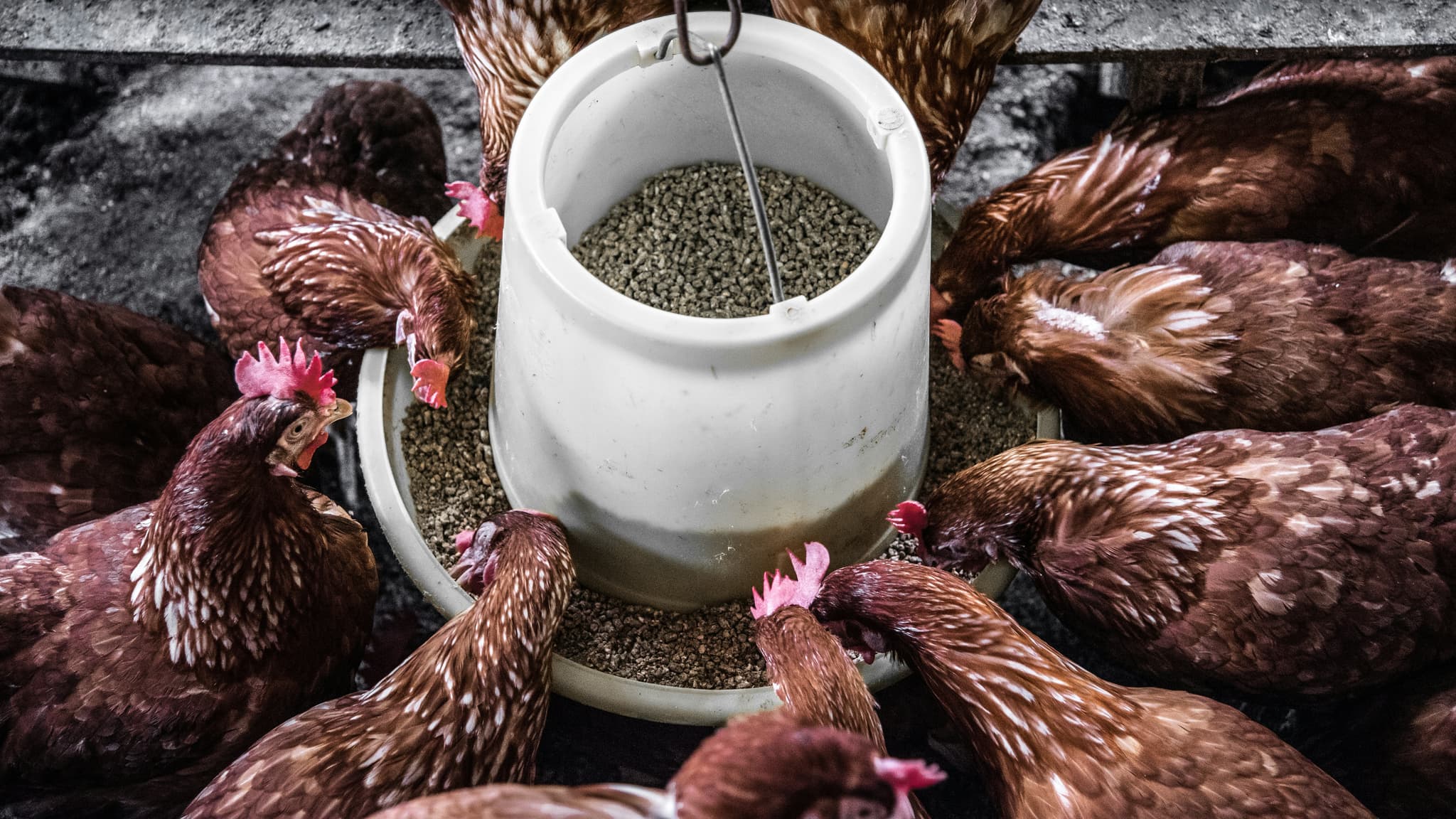
Modern livestock production depends on far more than grains and forage. Behind today's poultry, swine, cattle, aquaculture, and pet food industries lies a sophisticated nutritional science built around feed additives—specialized chemicals and biological ingredients designed to improve animal health, growth performance, feed efficiency, and overall productivity.
As global demand for meat, dairy products, eggs, and farmed fish continues to rise, livestock producers face increasing pressure to maximize output while controlling costs. At the same time, volatile grain markets and higher feed expenses are forcing nutritionists to formulate more efficient diets. This has made feed additives one of the most important segments of the animal nutrition industry.

What Are Feed Additives?
Feed additives are ingredients added to animal feed in relatively small quantities to improve nutritional value, digestion, health, preservation, or production performance.
Their objectives include:
Improving feed conversion efficiency
Enhancing animal growth
Supporting immune health
Reducing nutrient waste
Extending feed shelf life
Lowering production costs
Today, feed additives are essential components of commercial livestock operations worldwide.
Amino Acids: The Foundation of Precision Nutrition
Amino acids are among the highest-volume feed additives globally.
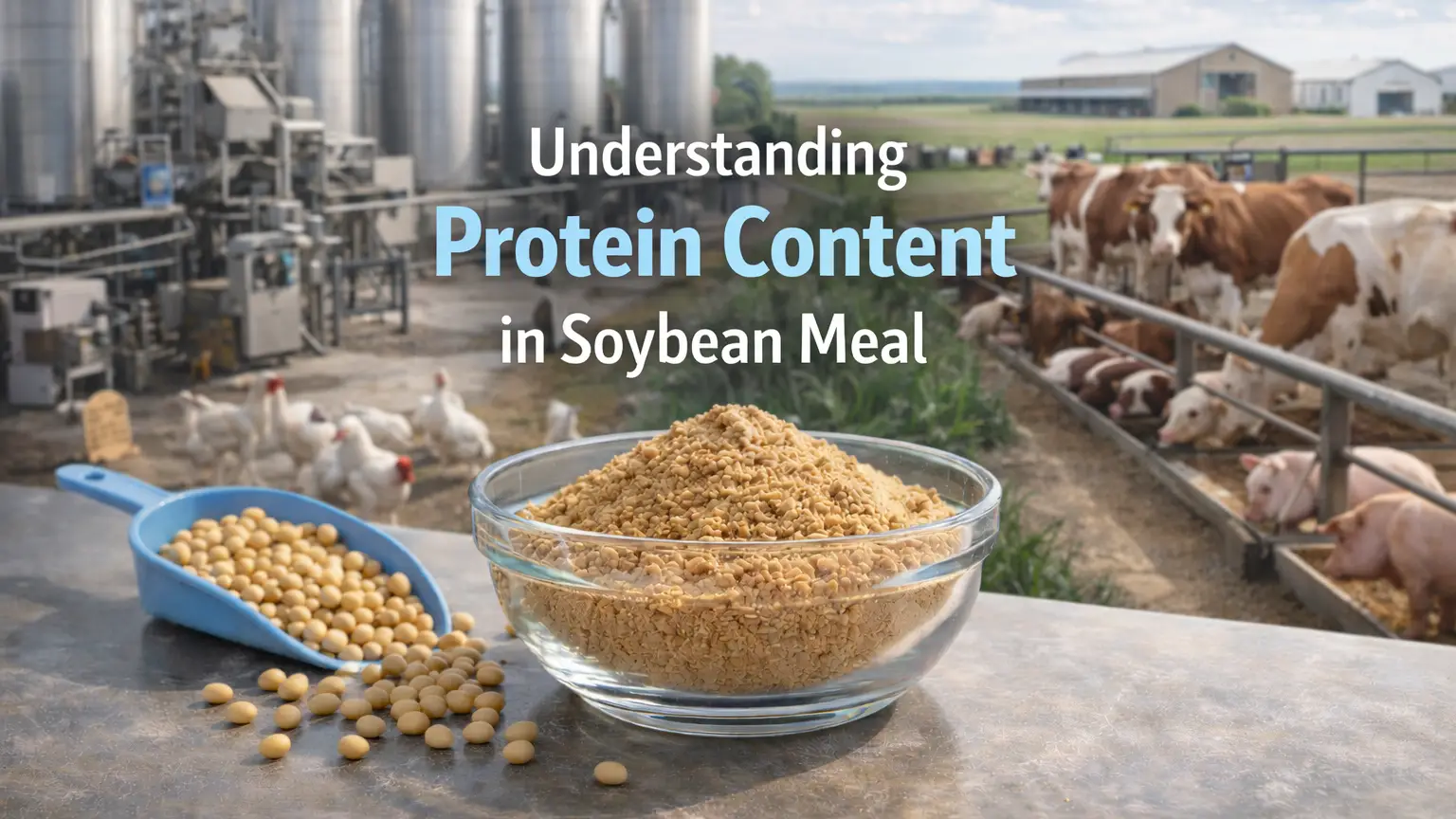
Rather than increasing crude protein levels through expensive ingredients such as soybean meal, producers increasingly use synthetic amino acids to precisely balance animal diets.
L-Lysine
L-lysine is the world's most widely used feed amino acid.
Applications:
Poultry diets
Swine feed
Aquaculture formulations
Benefits:
Supports muscle growth
Improves feed efficiency
Reduces total protein requirements
China and Southeast Asia dominate global lysine production through large-scale corn fermentation processes.
DL-Methionine
Methionine is particularly important for poultry production.
Functions:
Supports feather development
Improves growth rates
Enhances protein synthesis
Global demand remains strong as poultry consumption continues to grow across Asia, Africa, and Latin America.

Threonine and Tryptophan
These specialty amino acids help optimize modern precision feeding programs by improving amino acid balance and reducing excess protein supplementation.
Vitamins: Essential Micronutrients
Although required in small quantities, vitamins are critical for animal health and performance.
Common Feed Vitamins
Vitamin A
Supports:
Vision
Reproductive performance
Immune function
Vitamin D3
Important for:
Bone development
Calcium metabolism
Vitamin E
Functions as:
Antioxidant
Immune-support nutrient
B Vitamins
Support:
Energy metabolism
Nervous system function
Growth performance
Vitamin supplementation remains standard practice in commercial feed production worldwide.
Enzymes: Unlocking More Value from Feed
Feed enzymes have become one of the fastest-growing additive categories.
Their purpose is to improve nutrient digestion and increase feed utilization.
Phytase
Phytase is the most widely used feed enzyme.
Benefits include:
Improved phosphorus availability
Reduced phosphate supplementation
Lower nutrient excretion
Improved sustainability
Xylanase and Beta-Glucanase
These enzymes help animals digest complex plant fibers found in grains.
Advantages:
Improved energy extraction
Better feed conversion
Enhanced gut health
As feed costs rise, enzyme adoption continues to increase because even small efficiency gains can generate significant savings.
Choline Chloride
Choline chloride is a widely used feed additive often categorized as a vitamin-like nutrient.
Applications:
Poultry
Swine
Aquaculture
Pet food
Functions:
Fat metabolism
Liver health
Growth performance
Commercial poultry production remains the largest consumer of feed-grade choline chloride.
Preservatives and Feed Protection Chemicals
Feed quality can deteriorate during storage and transportation.
Preservatives help prevent:
Mold growth
Oxidation
Nutrient degradation
Spoilage losses
Organic Acids
Examples include:
Formic acid
Propionic acid
Lactic acid
Benefits:
Improved feed stability
Better gut health
Reduced microbial contamination
Antioxidants
Feed antioxidants protect sensitive ingredients such as:
Vitamins
Fats and oils
Specialized nutrients
By reducing oxidation, they help preserve nutritional value throughout storage.
Feed Costs Are Reshaping Formulation Strategies
Feed typically represents 60–70% of livestock production costs.
As grain, corn, soybean meal, and energy markets become more volatile, producers are increasingly focused on maximizing nutrient utilization.
Key Responses Include:
Precision Amino Acid Supplementation
Reducing reliance on expensive protein ingredients.
Greater Enzyme Usage
Extracting more nutrients from existing feed materials.
Improved Feed Preservation
Minimizing storage losses and waste.
Data-Driven Nutrition
Using analytics to optimize feed formulations for specific production goals.
These trends are increasing demand for high-performance feed additives.
Livestock Sectors Driving Demand
Poultry
Poultry remains the largest consumer of many feed additives due to:
Rapid growth cycles
Global protein demand
Intensive production systems
Key additives:
Methionine
Lysine
Choline chloride
Enzymes
Swine
Swine nutrition increasingly relies on:
Lysine
Threonine
Tryptophan
Enzyme technologies
These additives help improve growth performance while controlling feed costs.
Aquaculture
Aquaculture is one of the fastest-growing feed additive markets.
Drivers include:
Rising seafood consumption
Expansion of commercial fish farming
Need for precise nutrient management
Dairy and Beef Cattle
Important additives include:
Vitamins
Yeast products
Mineral supplements
Rumen-enhancing ingredients
These products support productivity, reproduction, and animal health.
Sustainability and Efficiency Trends
Feed additives increasingly contribute to sustainability goals by:
Reducing nutrient waste
Improving feed conversion ratios
Lowering environmental emissions
Reducing land use intensity
For example:
Phytase reduces phosphorus discharge.
Amino acids reduce nitrogen excretion.
Enzymes improve resource efficiency.
As sustainability becomes a priority across agriculture, these benefits are gaining additional importance.
Opportunities for Suppliers
Several areas offer strong growth potential:
Precision Nutrition
Customized additive solutions tailored to species and production systems.
Emerging Markets
Growing livestock industries in:
Africa
Southeast Asia
Latin America
Functional Feed Additives
Products that support:
Gut health
Immunity
Stress management
Aquaculture Nutrition
A rapidly expanding segment requiring specialized feed formulations.
Market Outlook
The feed additive industry remains closely linked to long-term growth in global protein consumption. While producers face ongoing pressure from feed costs, this challenge is actually supporting demand for additives that improve efficiency and reduce waste.
Amino acids, enzymes, vitamins, preservatives, and specialty nutritional ingredients will continue to play a central role in modern livestock production. As animal agriculture becomes more data-driven and sustainability-focused, feed additives are expected to remain one of the most dynamic sectors within agricultural chemicals.
Key Takeaways
Feed additives improve animal nutrition, health, and production efficiency.
Amino acids such as lysine and methionine are among the highest-volume additives globally.
Vitamins support essential metabolic and immune functions.
Enzymes help animals extract more nutrients from feed ingredients.
Choline chloride and preservatives play important roles in feed quality and performance.
Rising feed costs are accelerating adoption of precision nutrition strategies.
Poultry, swine, aquaculture, and dairy sectors remain major demand drivers.
Sustainability goals are increasing interest in efficiency-enhancing feed additives.