
Introduction
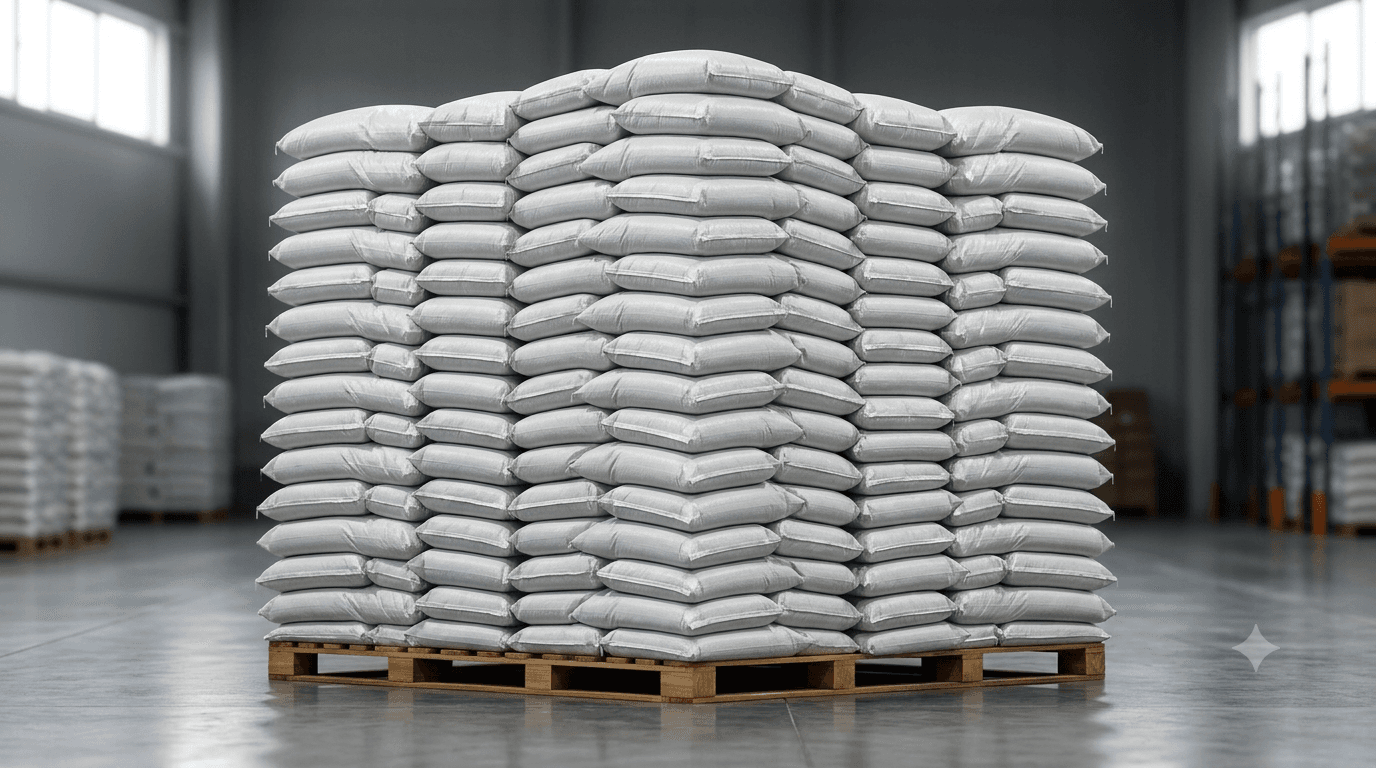
Guar gum is a versatile food additive and oilfield chemical that relies heavily on the guar crop grown in Rajasthan. The 2026 monsoon season will set the tone for the crop’s yield, quality and price trajectory through the fourth quarter of 2026 and into early 2027. Understanding how rainfall intensity, distribution and timing affect the guar plant is essential for growers, processors and buyers alike.
Monsoon Dynamics in Rajasthan
Rainfall Patterns and Forecast Accuracy
Rajasthan receives approximately 60–80% of its annual rainfall during the monsoon months of June to September. The 2026 forecast from the Indian Meteorological Department (IMD) suggests a moderate to heavy rainfall scenario, but regional variability remains high. Key indicators for guar growers include:
Rainfall intensity – sudden heavy showers can cause root erosion while prolonged light rains may fail to meet the crop’s water requirement.
Rainfall distribution – uneven distribution leads to waterlogged pockets and uneven plant growth.
Timing – early monsoon onset benefits seedling establishment; late onset compresses the growth window.
Impact on Soil Moisture and Nutrient Dynamics
Guar plants thrive in loamy soils with good drainage. Excess moisture can lead to fungal diseases such as Phytophthora infestans and root rot, reducing yield. Conversely, insufficient moisture stresses the plant, causing lower seed set and higher susceptibility to pests.
Crop Response and Yield Projections
Growth Stages Sensitive to Monsoon Conditions
The guar crop undergoes three critical growth stages during the monsoon:
Seedling establishment (June) – requires 2–3 mm of daily rainfall.
Vegetative growth (July–August) – high evapotranspiration rates demand consistent moisture.
Flowering and seed maturation (September) – requires a dry spell to prevent seed rot.
Deviation from expected rainfall in any of these stages can trigger a cascade of yield impacts. For example, an early monsoon followed by a dry spell in September often results in a 10–15% yield loss.
Projected Yield for 2026
Based on historical data and current forecasts, experts estimate a 7–9% increase in average yield compared to 2025, assuming moderate rainfall and minimal disease pressure. However, the yield range could widen to 5–12% if extreme weather events occur.
Guar Gum Pricing Mechanisms
Supply‑Demand Imbalance and Price Elasticity
Guar gum prices are highly responsive to supply fluctuations. A sudden increase in crop yield typically depresses prices by 5–10% in the short term, while a shortfall can push prices upward by similar margins. The price elasticity of demand for guar gum is moderate, as substitutes exist but are less efficient in many applications.
APEDA’s Role in Market Stabilization
The Agricultural and Processed Food Products Export ProcuremeDevelopment Authority (APEDA) monitors guar production and maintains a buffer stock. In 2026, APEDA may release a portion of its reserve if prices fall below a threshold of INR 1,400 per kg, thereby supporting farmer incomes and stabilizing the market.
Market Implications for Q4 2026 and Early 2027
Food Additives Sector
Food manufacturers rely on guar gum for thickening, stabilizing and emulsifying. A price dip in Q4 2026 could lower production costs, potentially allowing producers to offer competitive pricing. However, quality concerns arise if the crop suffers from disease, leading to higher impurity levels that affect product consistency.
Oilfield Chemicals Industry
In oil and gas, guar gum is used in hydraulic fracturing fluids. Price volatility directly impacts drilling budgets. A 2026 monsoon that boosts supply may trigger a 3–5% cost reduction for operators. Conversely, a drought scenario would raise costs, prompting a shift toward alternative polymers in early 2027.
nt Strategies for Buyers
Lock‑in Forward Contracts – secure prices early in the monsoon season to hedge against price swings.
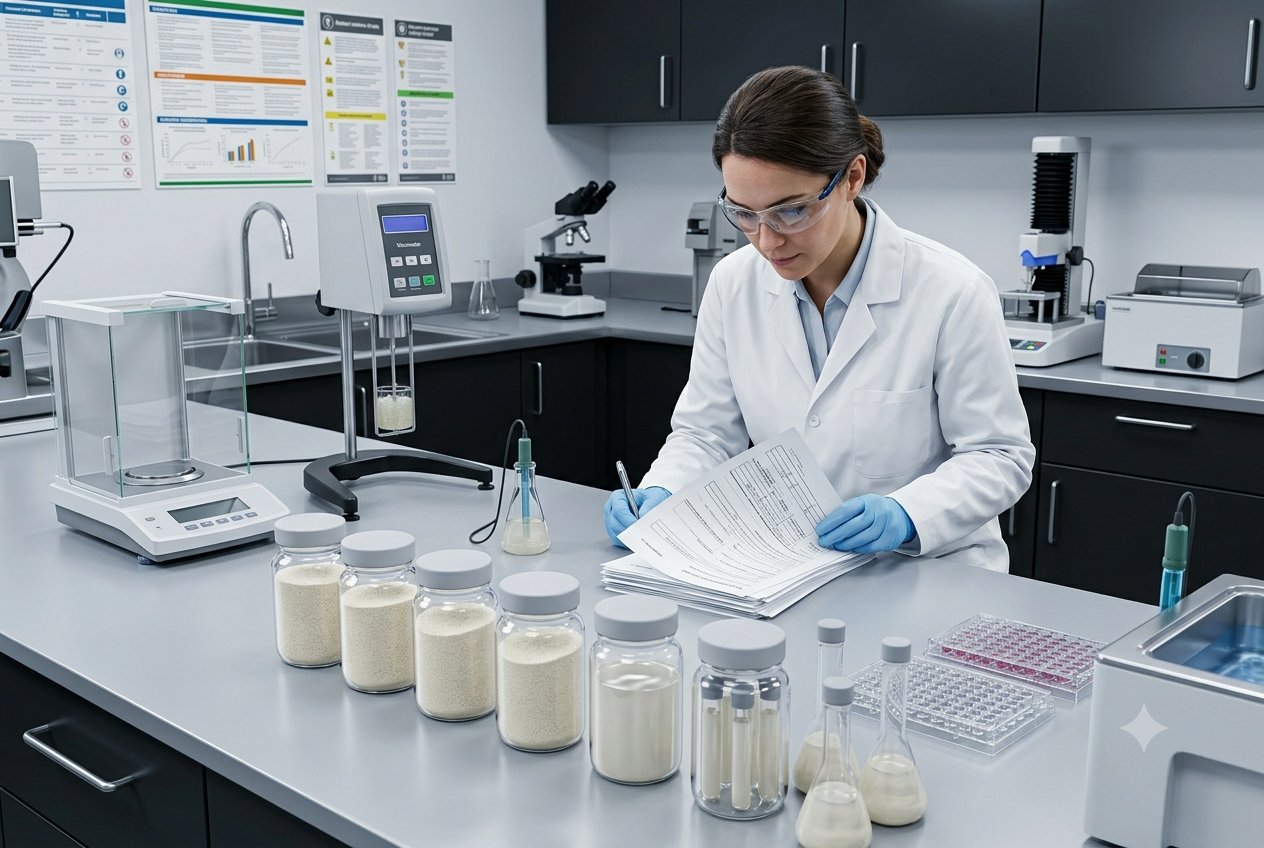
Quality Verification – insist on APEDA certification to ensure impurity levels remain below 0.5%.
Diversify Supplier Base – source from multiple growers across Rajasthan to mitigate regional weather risks.
Leverage Buffer Stock – monitor APEDA releases and adjust procurement volumes accordingly.
Risk Mitigation Tactics
Weather Insurance – purchase parametric insurance that pays out based on precipitation thresholds.
Supply Chain Flexibility – maintain inventory buffers to absorb short‑term supply shocks.
Price Monitoring Tools – subscribe to real‑time market data platforms that track monsoon impacts and price trends.
Conclusion
The 2026 monsoon in Rajasthan is a pivotal factor that will shape guar gum prices through Q4 2026 and into early 2027. Growers who adapt to rainfall variability, processors who enforce stringent quality controls, and buyers who employ forward contracts and diversified sourcing will navigate the market’s ups and downs more effectively. Staying attuned to IMD forecasts, APEDA policies and global demand trends will be key to maintaining profitability in this dynamic commodity.