
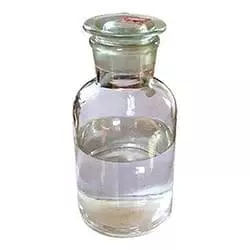
எத்தில் அசிடேட்
- IUPAC Name
- ethyl acetate
- Molecular Formula
- C4H8O2
- Molecular Weight (g/mol)
- 88.1100
- Synonyms & Trade Names
- Ethyl acetate; Acetic acid ethyl ester; EtOAc
- தூய்மை/ஆய்வு (%)
- 99.5% min
- Grade / Quality Level
- Industrial Grade
வகைகள்
தொழில்நுட்ப ஆவணம்
எத்தில் அசிடேட் என்றால் என்ன?
எத்தில் அசிடேட் என்பது பழ வாசனையுடன் தெளிவான நிறமற்ற திரவமாகும். இது மதுபானங்களில் காணப்படுகிறது. இது தானிய பயிர்கள், முள்ளங்கி, பழச்சாறுகள், பீர், ஒயின், ஸ்பிரிட்ஸ் போன்றவற்றிலும் காணப்படுகிறது, இது ஆன்டெமிஸ் நோபிலிஸ் (ரோமன் கெமோமில்) மற்றும் ரூபஸ் இனங்களால் உற்பத்தி செய்யப்படுகிறது. எத்தில் அசிடேட் என்பது CH3COOCH2CH3 என்ற மூலக்கூறு சூத்திரத்துடன் கூடிய ஒரு கரிம எஸ்டர் சேர்மமாகும், இது பொதுவாக EToAC அல்லது EA என சுருக்கமாகும். இது அனைத்து பொதுவான கரிம கரைப்பான்களுடனும் (ஆல்கஹால்கள், கீட்டோன்கள், கிளைகோல்கள், எஸ்டர்கள்) மிகவும் கலக்கக்கூடியது, இது சுத்தம் செய்தல், வண்ணப்பூச்சு அகற்றுதல் மற்றும் பூச்சுகளுக்கு பொதுவான கரைப்பானாக அமைகிறது. அதன் ஒப்புக் கொள்ளக்கூடிய நறுமணம் மற்றும் குறைந்த செலவு காரணமாக, எத்தில் அசிடேட் பொதுவாக உலகளவில் பெரிய அளவில் பயன்படுத்தப்படுகிறது மற்றும் தயாரிக்கப்படுகிறது. எத்தில் அசிடேட் அடர்த்தி 902/கிலோ/மீ³ ஆகும்.
உற்பத்தி செயல்முறை
எத்தைல் அசிடேட் தொழில்துறையில் முக்கியமாக எத்தனால் மற்றும் அசிட்டிக் அமிலத்துடன் ஃபிஷர் எஸ்டிரிஃபிகேஷன் வினை வழியாக இந்த கலவை அறை வெப்பநிலையில் சுமார் 65% மகசூலில் எஸ்டராக மாற்றப்படுகிறது:
சே 3 சிஎச் 2 ஓஹ்+சே 3 கோஹ் → சே 3 கூச் 2 சிஎச் 3 + எச் 2 ஓ.
அமில வினையால் வினையை துரிதப்படுத்தலாம் மற்றும் நீரை அகற்றுவதன் மூலம் சமநிலையை வலதுபுறமாக மாற்றலாம். ஆல்காக்சைடு வினையூக்கியின் முன்னிலையில் அசிட்டால்டிஹைட்டின் இரண்டு சமமான ஒன்றுகளை இணைப்பதன் மூலம் டிஷ்செங்கோ வினையைப் பயன்படுத்தி இதைத் தயாரிக்கலாம்:
2சிஎச் 3 சோ → சே 3 கூச் 2 சிஎச் 3