
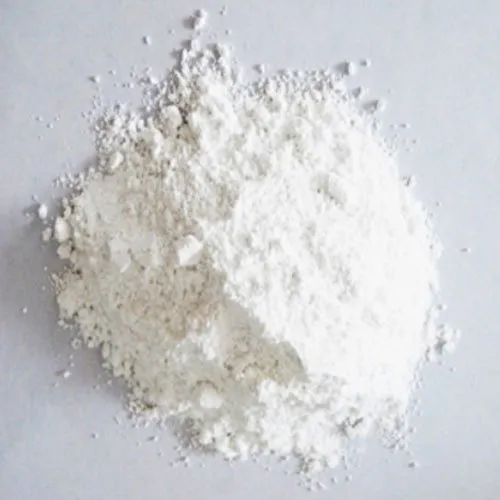
කැල්සියම් කාබනේට් (ආහාර ශ්රේණිය)
- Physical State
- Solid
- Appearance / Color
- White to off-white powder
- Odor
- Odorless
- Moisture Content (%)
- <0.5%
- pH
- 8.5-9.5 (suspension)
- Synonyms & Trade Names
- Calcium carbonate; Ground limestone; Oyster shell flour; E170
වර්ග
තාක්ෂණික ලේඛනය
කෙටි දළ විශ්ලේෂණය
කැල්සියම් කාබනේට් ඇරගොනයිට් හෝ හුණුගල් විසින් හඳුන්වනු ලබන්නේ රසායනික සූත්රය CaCO3 සමඟ පැමිණේ. එය පෘථිවියේ මුළු පෘෂ්ඨයෙන් 4% කින් සමන්විත වන අතර බිත්තර ෂෙල්, ගොළුබෙල්ලන්, ඛනිජ පාෂාණ, මුතු, සමුද්ර ජීවීන්ගේ ෂෙල් වෙඩි සහ යනාදී වශයෙන් දක්නට ලැබේ. එය සෞඛ්ය අතිරේක, කෘෂිකාර්මික කර්මාන්තය, පාරිසරික යෙදුම් සඳහා සහ තවත් බොහෝ දේ භාවිතා ගන්ධ රහිත, රස රස නැති කුඩු වේ.
නිෂ්පාදන ක්රියාවලිය
පිරිසිදු කැල්සියම් කාබනේට් නිෂ්පාදනය කිරිගරුඬ සිට හෝ කැල්සියම් හයිඩ්රොක්සයිඩ් ද්රාවණයකට කාබන් ඩයොක්සයිඩ් ගමන් කිරීමෙන් විය හැකිය. පසු අවස්ථාවේදී, කැල්සියම් කාබනේට් මිශ්රණයෙන් ව්යුත්පන්න වන අතර, “precipited කැල්සියම් කාබනේට්,” හෝ PCC නමින් නිෂ්පාදන ශ්රේණියක් පිහිටුවීම. කැල්සියම් හයිඩ්රොක්සයිඩ් පොහොර පීඩනය සහිත ප්රතික්රියාකාරකයක් තුළ උද්ඝෝෂණය වන අතර, ඉහළ ප්රතික්රියා අනුපාතයකින් ක්ෂය කැල්සියම් කාබනේට් නිපදවීම සඳහා ප්රතික්රියාකාරකයට කාබන් ඩයොක්සයිඩ් පීඩනය යටතේ සපයනු ලැබේ. කාබන් ඩයොක්සයිඩ් ඉහළ කාර්යක්ෂමතාවයකින් භාවිතා වේ. ද්රාවණීය කැල්සියම් අයන සහ කාබනේට් අයන ප්රතික්රියා කරන්නේ කැල්සියම් කාබනේට් වර්ෂාපතනයක් නිපදවයි. එවැනි උෂ්ණත්වය, පොහොර සාන්ද්රණය, සහ පීඩනය ලෙස ක්රියාවලිය කොන්දේසි පාලනය, අපේක්ෂිත ස්ඵටික පුරුද්ද නිෂ්පාදනය හැකියාව (sclenohedral, rhombohedral, ගොඩගැසී rombohedral, හෝ aragonite ස්ඵටික ව්යුහයන් ඇතුළු), ස්ඵටික ප්රමාණය, හෝ ස්ඵටික අක්ෂර අනුපාතය.