
Urea Market Overview 2026
Urea, the world’s most widely used nitrogen fertilizer, remains a cornerstone of global agriculture. In 2026, the market is experiencing a pivotal transition: Gulf producers are restoring output to 75% of pre‑war levels, a surge that is reshaping price dynamics and buying strategies across the Southern Hemisphere.
Why Gulf Supply Matters
The Gulf region, home to major producers such as SABIC, QAFCO, and other national refineries, has historically dominated urea exports. A recovery in production capacity means increased global availability, which typically exerts downward pressure on spot prices. However, the current supply rebound is coupled with strategic shipping constraints and regional logistics that keep prices from falling too sharply.
Price Direction for 2026
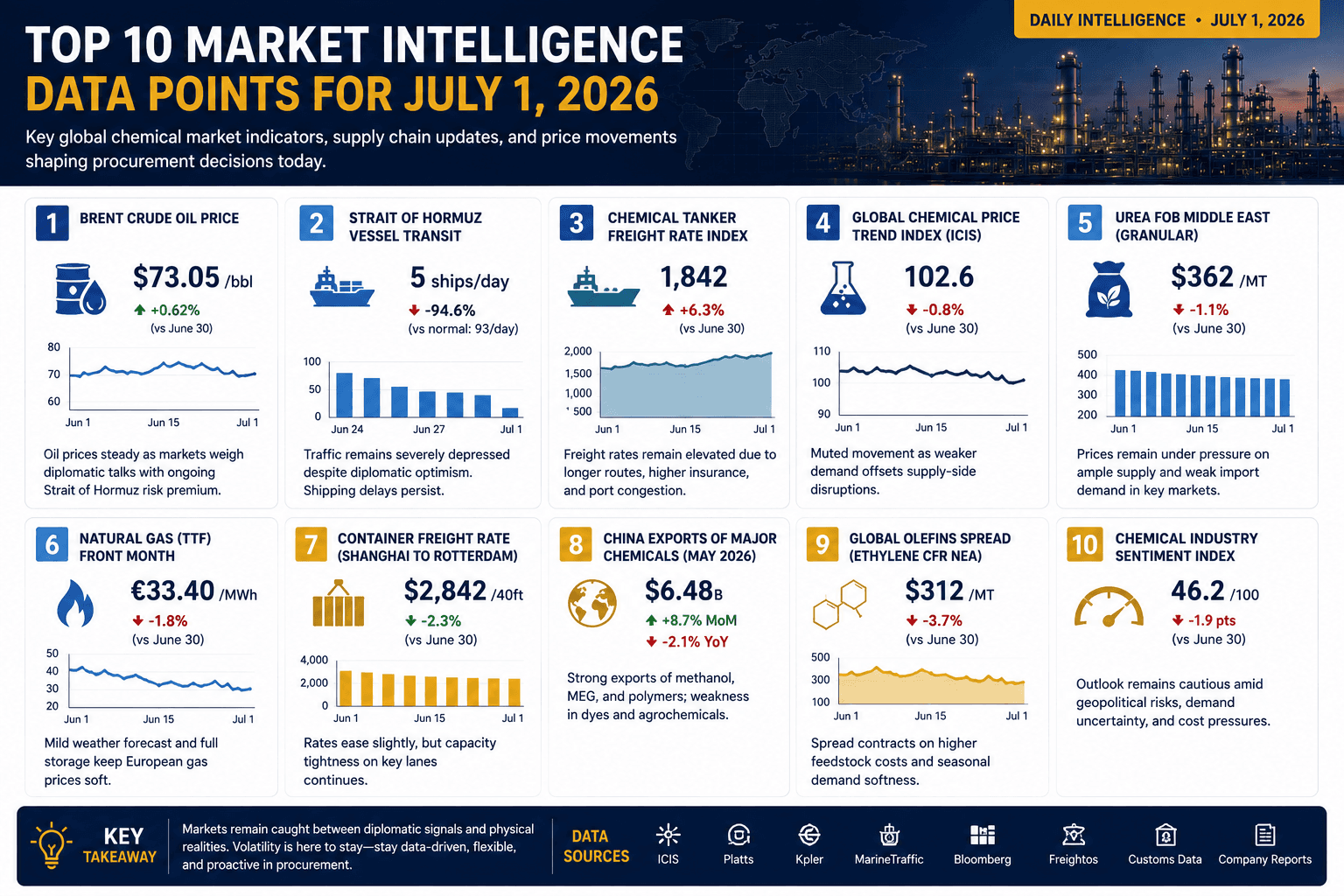
Analysts predict a modest price correction to the $480–$520 per tonne range, a level that represents a 5–8% decline from the 2025 highs driven by supply chain bottlenecks. This range is expected to be stable throughout the year, with minor fluctuations linked to seasonal demand spikes and weather patterns in major agricultural regions.
Impact on Southern Hemisphere Buyers
Southern Hemisphere importers, particularly those in Brazil, Argentina, and Australia, are watching the Gulf supply curve closely. A 75% recovery translates to an additional 1.2 million tonnes of urea entering the market over the next 12 months. For buyers, this means a potential window to lock in volume at lower prices before the next supply glut.
Key Players: SABIC and QAFCO
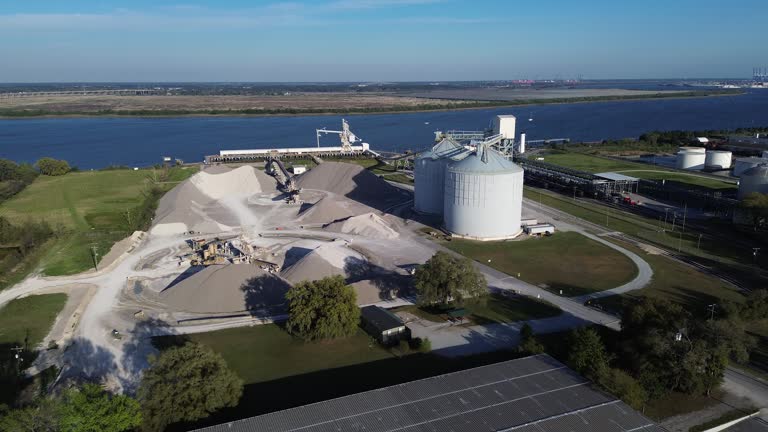
Both SABIC and QAFCO have implemented new production technologies that enhance output efficiency. SABIC’s latest urea facility, located in Jubail, operates at a 30% higher capacity than its predecessor, while QAFCO’s refinery in Al Khobar features upgraded ammonia synthesis units that lower feedstock costs.
Technology Upgrade: Both companies now use advanced membrane separation to reduce energy consumption by up to 10%.
Export Strategy: SABIC targets the EU and Asian markets, whereas QAFCO focuses on the Americas and Africa.
Pricing Policy: Both firms have adopted a flexible pricing model that adjusts to real‑time market signals, giving buyers more predictability.
Strategic Buying Tactics
To capitalize on the current price environment, Southern Hemisphere importers should consider the following tactics:
Volume Lock‑Ins: Negotiate long‑term contracts with fixed price bands to hedge against future volatility.
Logistics Optimization: Explore shipping routes that minimize transit time, reducing spoilage and storage costs.
Local Blending: Mix imported urea with local nitrogen sources to meet regulatory requirements and achieve cost efficiencies.
Technology Adoption: Invest in precision agriculture tools that optimize fertilizer application rates, ensuring maximum yield per tonne.
Regulatory and Sustainability Considerations
Environmental regulations are tightening worldwide, and urea producers are under pressure to reduce greenhouse gas emissions. SABIC and QAFCO have both committed to carbon capture initiatives and are exploring renewable electricity sources for their plants. Buyers should factor in potential future carbon pricing when evaluating total cost of ownership.
Future Outlook
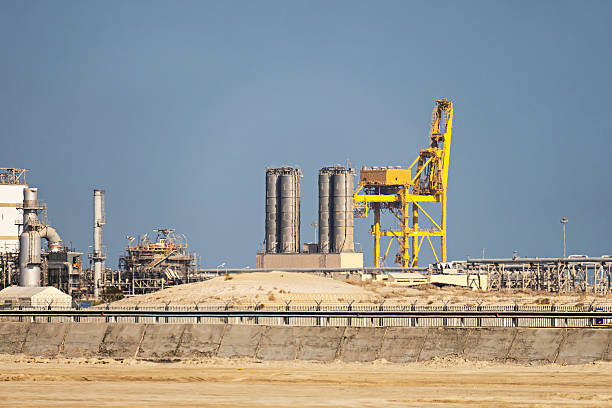
While 2026 is expected to see a moderate price decline, the market’s resilience is largely due to the Gulf’s production capabilities and the strategic importance of nitrogen fertilizer in global food security. As the region continues to recover, the Southern Hemisphere will likely experience a gradual shift toward diversified sourcing, balancing Gulf imports with local production and alternative suppliers.
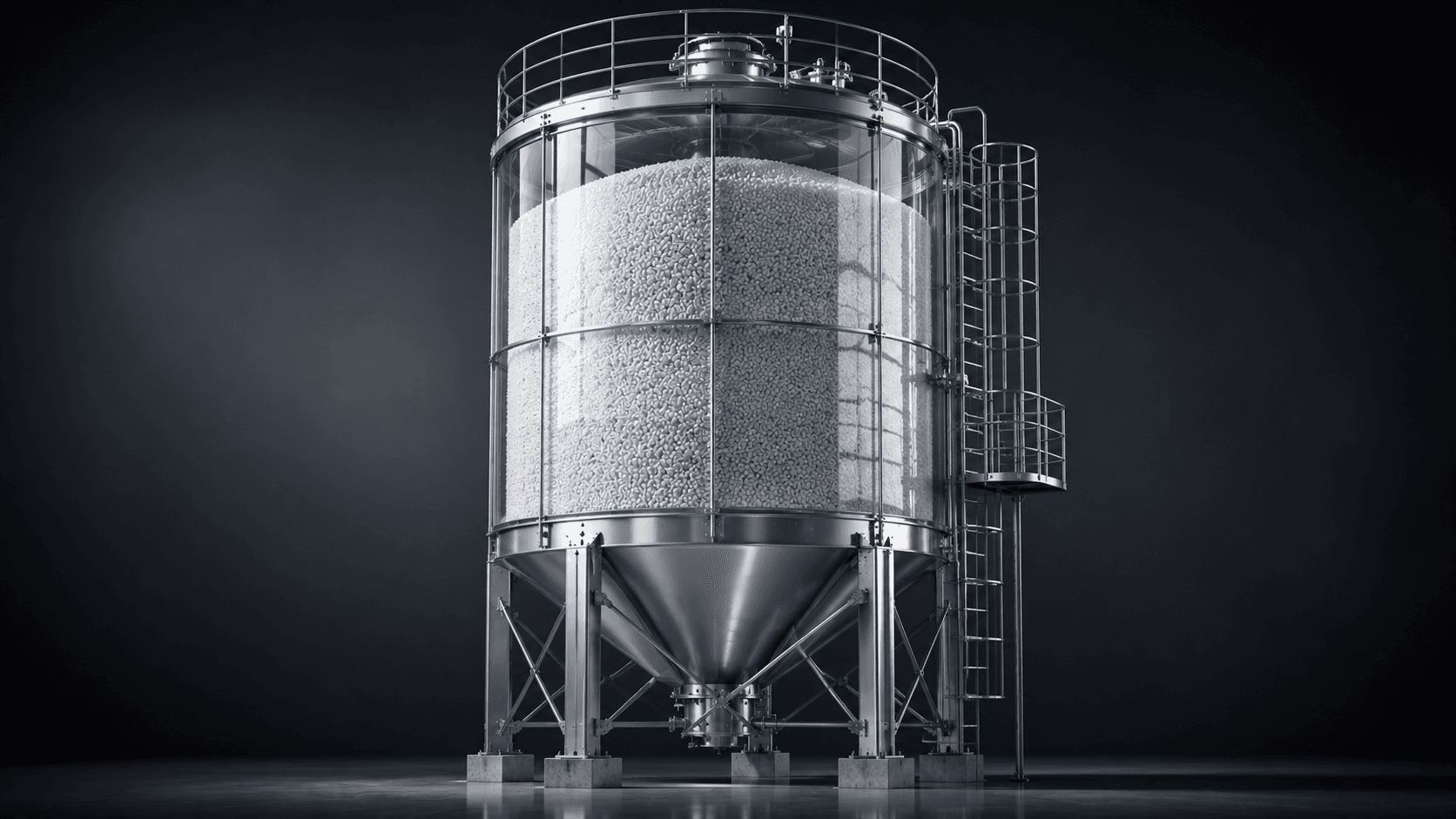
Urea (Granular) - Egypt CAS: 57-13-6