
Food Inflation Aftermath: Hormuz Crisis Added 40–120% to Gulf Consumer Food Prices — Ingredient Markets Still Adjusting
Introduction
The 2026 Hormuz crisis was not simply an energy market event—it rapidly evolved into one of the most significant food supply disruptions experienced by the Gulf Cooperation Council (GCC) in decades. With GCC countries depending on imports for the majority of their food consumption, the interruption of maritime trade through the Strait of Hormuz exposed a critical vulnerability in regional food security.
As shipments slowed and inventories tightened, retailers, distributors, and food manufacturers faced unprecedented procurement challenges. Consumer food prices surged, emergency logistics measures were implemented, and ingredient buyers were forced to rethink sourcing strategies almost overnight.
Although the June 2026 Hormuz MoU has reduced immediate geopolitical uncertainty, food ingredient markets remain far from normal. Procurement teams across the Gulf and South Asia should prepare for continued volatility through at least Q3 2026.
How the Crisis Triggered a Food Supply Emergency
The Gulf region imports a substantial share of its food requirements, making uninterrupted shipping routes essential.
Structural vulnerabilities:
Heavy dependence on imported grains
Limited domestic agricultural production
Reliance on maritime logistics
Concentrated sourcing of food ingredients
When shipping through Hormuz became constrained, food supply chains faced simultaneous challenges:
Delayed vessel arrivals
Higher freight costs
Limited container availability
Increased insurance premiums
The result was a rapid tightening of food inventories throughout the region.
Consumer Food Prices Rose Dramatically
One of the most visible consequences of the disruption was a sharp increase in grocery prices.
Products most affected:
Rice
Wheat-based foods
Cooking oils
Dairy ingredients
Processed food products
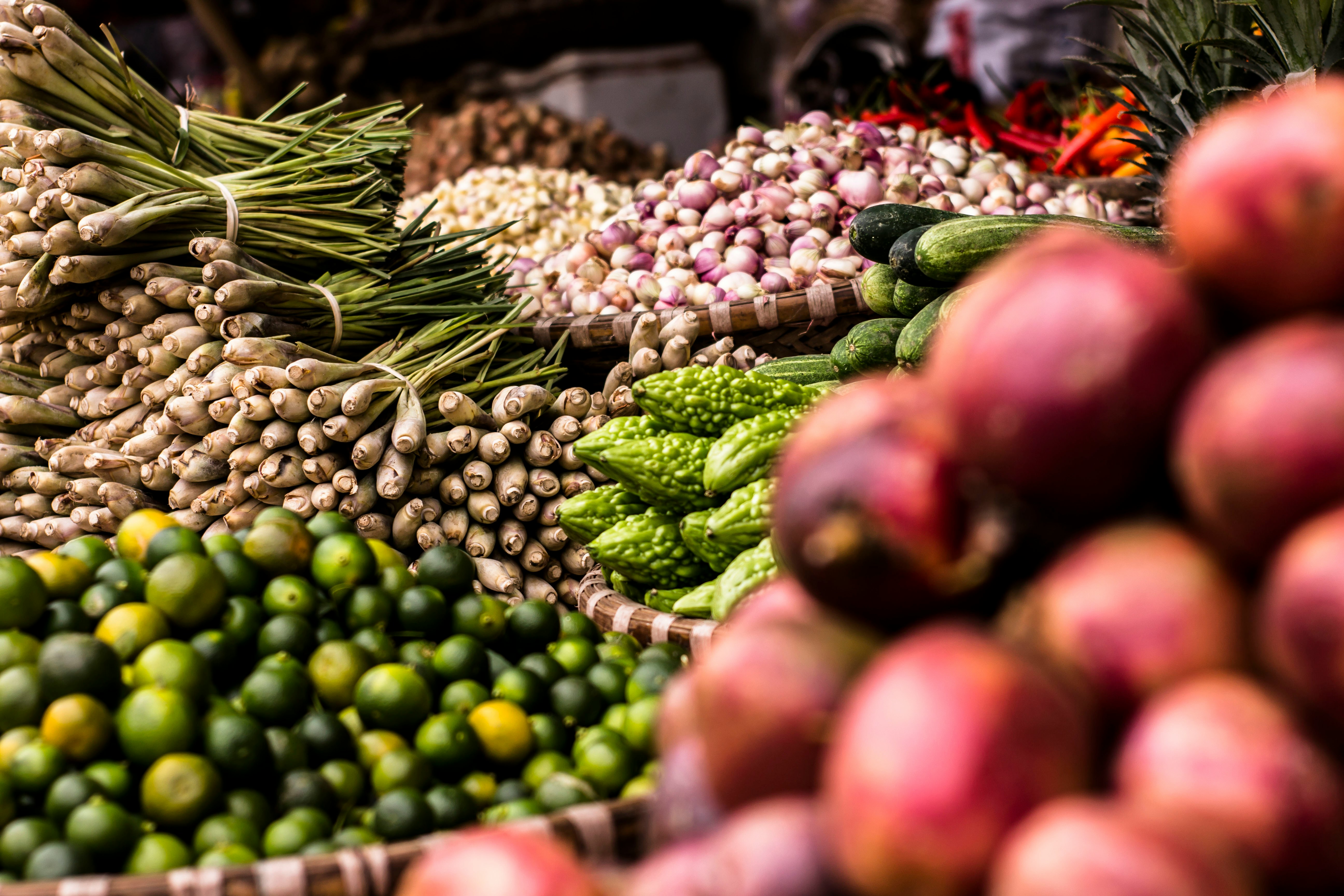
Fresh produce imports
Drivers of inflation:
Logistics costs
Higher freight rates immediately increased landed food costs.
Supply shortages
Reduced availability led to aggressive purchasing and inventory stockpiling.
Emergency sourcing
Importers paid premiums to secure available cargoes.
Currency and financing pressures
Some regional buyers faced increased procurement financing costs.
In many categories, consumers experienced food price increases ranging from substantial inflation to outright shortages.
Emergency Air Freight Measures
To prevent severe shortages, several retailers and distributors implemented extraordinary logistics solutions.
Response measures included:
Airlifting essential food products
Prioritizing staple goods
Accelerating customs clearance procedures
Expanding emergency inventory procurement
Example sectors affected:
Flour and bakery supply chains
Infant nutrition products
Dairy ingredients
Essential packaged foods
While effective in maintaining availability, air freight dramatically increased procurement costs compared with traditional maritime transport.
Ingredient Markets Feel the Impact
The disruption extended far beyond finished food products.
Key ingredient categories affected:
Food acids and preservatives
Citric acid
Acetates
Preservation systems
Citric Acid Monohydrate (E330) CAS: 5949-29-1
Citric Acid Anhydrous (E330) CAS: 77-92-9
Sweeteners
Sorbitol
Maltodextrin
Dextrose
Sucralose
Hydrocolloids and texturizers
Xanthan gum
Modified starches
Tapioca derivatives
Sodium Bicarbonate Food Grade (E500(ii)) CAS: 144-55-8
Sodium Bicarbonate (Feed) CAS: 144-55-8
Flavor and specialty ingredients
Vanillin
Functional food additives
Nutritional ingredients
Manufacturers across the Gulf were forced to compete for limited inventories while managing rising input costs.
Fertilizer Disruption Adds a Second Layer of Inflation
Food inflation was not only driven by logistics.
A secondary concern emerged through fertilizer markets.
Key link:
Fertilizers influence:
Crop yields
Agricultural production costs
Global food commodity pricing
Market concerns:
Ammonia export disruptions
Urea shipment delays
Higher fertilizer procurement costs
These pressures increase agricultural production costs globally, creating a delayed but potentially longer-lasting impact on food prices.
Refined Glycerine 99.7% Min (Mixed Animal Fat) CAS: 56-81-5
Why Supply Chains Remain Tight After the MoU
The June 2026 Hormuz MoU improved market sentiment, but physical supply chain recovery requires much longer.
Remaining challenges:
Mine clearance operations
Maritime safety verification remains ongoing.
Port congestion
Backlogs accumulated during the disruption period.
Vessel scheduling disruptions
Shipping networks require time to rebalance.
Inventory rebuilding
Importers are rebuilding safety stocks rather than reducing purchases.
These factors continue to support elevated ingredient pricing even after geopolitical tensions have eased.
Procurement Strategy Is Changing
The crisis exposed the risks of concentrated sourcing strategies.
New priorities for food manufacturers:
Supplier diversification
Reducing dependence on a single region or supplier.
Multi-origin sourcing
Combining Middle Eastern, Asian, European, and American suppliers.
Inventory resilience
Maintaining larger safety stock levels.
Logistics flexibility
Developing alternative transportation routes.
These changes are likely to remain even after freight markets normalize.
Impact on South Asian Buyers
The effects are not limited to the Gulf.
Countries across South Asia are also facing:
Higher freight costs
Longer delivery times
Increased competition for ingredient supply
More volatile procurement planning
Food manufacturers in India, Pakistan, Bangladesh, and Sri Lanka are increasingly competing with GCC buyers for the same ingredient pools.

What Ingredient Buyers Should Expect Through Q3
Likely market conditions:
Continued elevated freight rates
Periodic supply tightness
Higher inventory carrying costs
Delayed normalization of shipping schedules
Increased supplier diversification activity
Less likely in the near term:
Immediate return to pre-crisis pricing
Full logistics normalization
Significant reduction in procurement risk
Recovery is expected to be gradual rather than sudden.
Market Outlook
The 2026 Hormuz crisis transformed a shipping disruption into a regional food inflation event. While the signing of the Hormuz MoU has reduced immediate geopolitical risk, ingredient supply chains remain constrained by logistics bottlenecks, port congestion, inventory rebuilding, and fertilizer market uncertainty.
For food processors, ingredient distributors, and procurement managers across the GCC and South Asia, the key lesson is clear: supply chain resilience now carries almost as much value as price competitiveness. Buyers should expect ingredient costs to remain elevated through Q3 while maintaining diversified sourcing and stronger inventory strategies.
Key Takeaways
The Hormuz crisis triggered a major food supply disruption across GCC markets.
Consumer food prices increased dramatically as imports were delayed.
Emergency air freight was used to secure essential food supplies.
Food ingredient markets experienced significant cost inflation and supply tightness.
Fertilizer disruptions may contribute to longer-term global food inflation.
The Hormuz MoU improves conditions but does not immediately normalize supply chains.
Mine clearance, freight disruptions, and port backlogs remain major challenges.
Food manufacturers should prepare for elevated ingredient costs through at least Q3 2026.
Supplier diversification and inventory resilience are becoming permanent procurement priorities.