Introduction
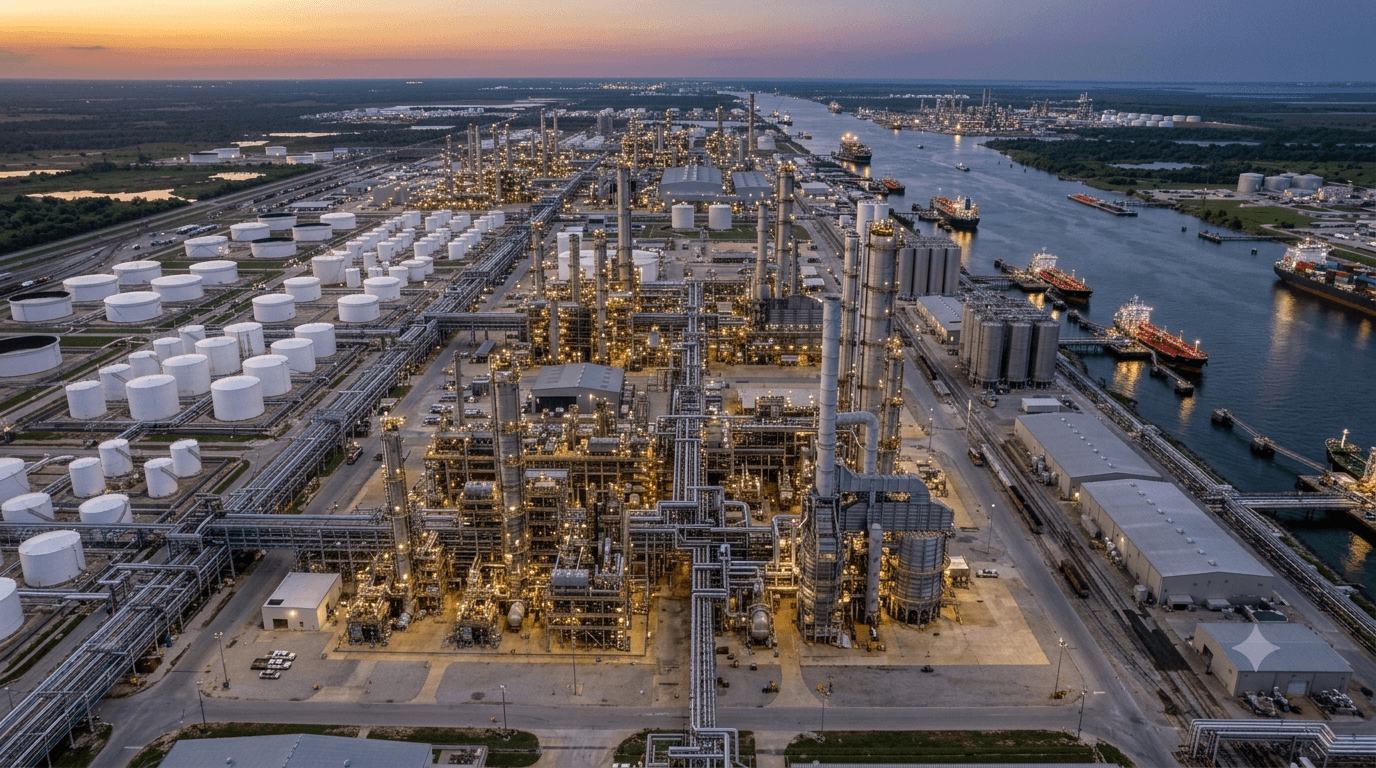
The 2026 Hormuz Crisis, triggered by geopolitical tensions in the Persian Gulf, disrupted the flow of crude oil and natural gas to global petrochemical hubs. As a result, supply chains for key feedstocks such as ethylene and propylene were throttled, forcing producers worldwide to rethink strategies. In this climate of volatility, a handful of companies emerged as structural winners, capturing significant market share in polyethylene, polymers, and chemical trade.
Impact of the Hormuz Crisis on the Polyethylene Market
Supply Chain Disruptions
Natural gas pipelines to Persian Gulf refineries were cut, forcing producers in the US Gulf Coast and Mexico to source feedstock from alternative suppliers. This shift created a shortage of ethylene in traditional production zones, pushing prices upward and encouraging capacity expansion in new locations.
Price Volatility and Demand Shifts
High polyethylene prices triggered a surge in demand for lower‑cost alternatives. Consumers in emerging markets turned to long‑term contracts with producers that could guarantee supply, amplifying the importance of reliable logistics and diversified feedstock sourcing.
Key Structural Winners
Several players seized the opportunity presented by the crisis. Their success hinged on geographic advantage, investment in new capacity, and strategic use of trade corridors.
SABIC: Leveraging Global Reach
Saudi Basic Industries Corporation (SABIC) accelerated its expansion of the Riyadh and Yanbu polyolefin plants. By securing long‑term gas supply agreements in the Gulf and tapping into the US Gulf Coast export market, SABIC increased its polyethylene output by 12% in 2026, capturing a larger share of the Middle Eastern and North American markets.
Borouge Group: Expanding Capacity on the Gulf Coast
Dubai‑based Borouge Group invested heavily in the Port of Corpus Christi and the Texas Gulf Coast. The company’s new 250,000‑ton‑per‑year polyethylene facility filled the supply gap created by the Hormuz blockade, allowing Borouge to export 18% more polymer volume to Europe and Asia.
Chinese Refiners: Capturing Emerging Markets
China’s state‑owned refineries pivoted to ethane‑rich feedstock from Siberian pipelines, bypassing the blockade. This shift enabled Chinese producers to ramp up polyethylene production by 9% and to dominate the ASEAN market, where demand for packaging and construction materials grew sharply.
US Gulf Coast PE Players: A Rising Trend
Independent producers such as LyondellBasell and Dow Chemical leveraged their proximity to US LNG terminals to secure feedstock. Their strategic positioning reduced logistics costs, allowing them to offer competitive pricing and secure long‑term contracts with European buyers, thereby increasing their market share in the EU by 7%.
Market Share Gains and Strategic Moves
Strategic feedstock diversification mitigated supply risks.
Investment in Gulf Coast capacity reduced reliance on Persian Gulf pipelines.
Long‑term export agreements locked in customer demand amid price volatility.
Polymer Export Dynamics
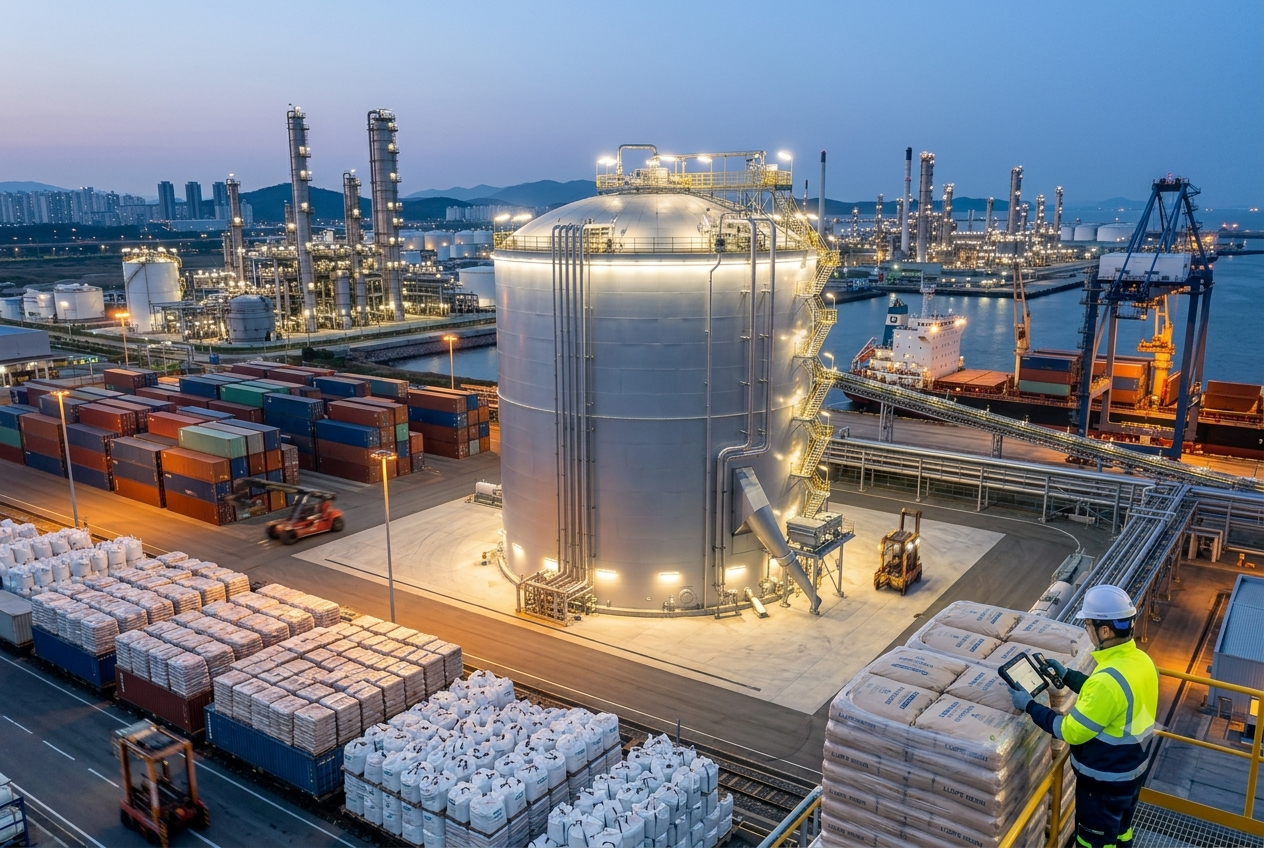
The crisis redefined export routes, with the US Gulf Coast emerging as a key corridor to Europe. Shipping lanes from Texas to Rotterdam saw a 15% increase in throughput, while Chinese exports to Southeast Asia grew by 12% as regional demand surged.
Export Routes and Trade Policies
Trade agreements such as the US‑EU Trade Facilitation Act and China‑ASEAN Free Trade Agreement accelerated customs processing, allowing producers to deliver polymer shipments faster and at lower cost.
Future Outlook
While the Hormuz Crisis has ended, its legacy persists. Producers that invested in flexible feedstock sourcing and diversified logistics networks are better positioned to respond to future shocks.
Challenges Ahead
Fluctuating energy prices, regulatory tightening on carbon emissions, and potential geopolitical tensions in the Gulf remain significant uncertainties.
Opportunities for Growth
Emerging markets in Africa and Latin America present new opportunities for polyethylene and polymer exports. Companies that continue to innovate in low‑carbon feedstock production and digital supply chain management stand to gain a competitive advantage.
High Density Polyethylene (HDPE) CAS: 9002-88-4