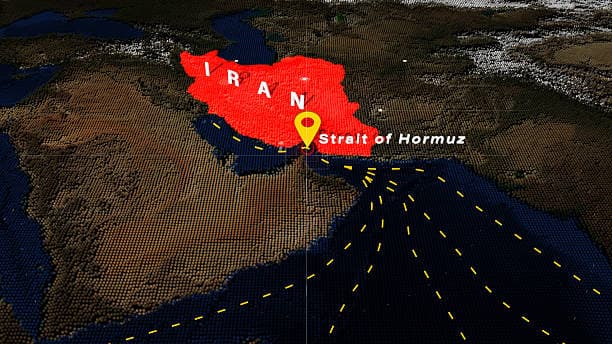

Market Outlook 2026
The global demand for tapioca starch continues to rise, driven by food, beverage, and pharmaceutical applications. In 2026, the Southeast Asian region accounts for roughly 45% of total exports, with Indonesia and Thailand as the leading suppliers. Market analysts project a compound annual growth rate (CAGR) of 3.5% for the next three years, reflecting steady consumption in emerging economies and growing emphasis on gluten‑free and high‑fiber products.
Supplier Landscape
Indonesia’s production capacity has expanded to 1.2 million tonnes, fueled by investments in high‑yield cassava varieties and modern milling facilities. Thailand, meanwhile, supplies around 0.8 million tonnes, focusing on premium, low‑amylase grades for specialty markets. Both countries benefit from favorable agrarian policies and access to ASEAN free trade agreements.
Key Players
Indonesia: PT Sukses Karet, PT Mitra Kapasitas, and a consortium of smallholder cooperatives.
Thailand: Thai Starch Group, CP Group’s cassava unit, and local cooperatives in Ubon Ratchathani.
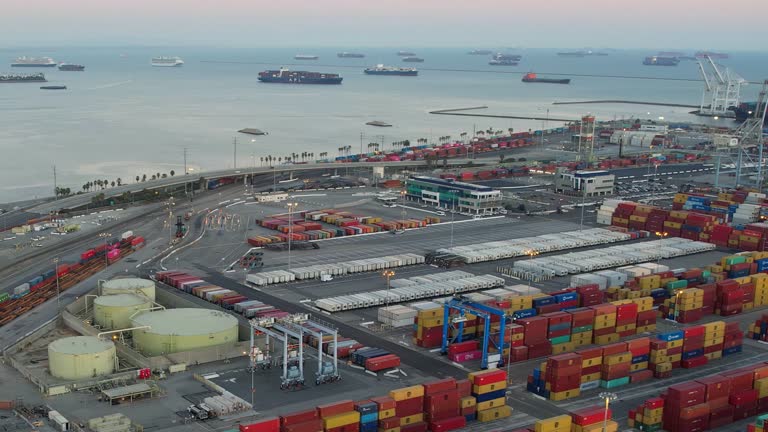
Port Congestion Challenges
Major ports—Jakarta, Surabaya, and Bangkok—experience frequent congestion due to infrastructure limits, rising cargo volumes, and regulatory bottlenecks. This results in average delays of 3–5 days for container ships and 5–7 days for bulk cargo. The impact on tapioca starch exports manifests as higher freight costs, tighter delivery windows, and increased inventory carrying costs for buyers.
Resilient Supply Chains
Both Indonesia and Thailand have adopted multi‑modal logistics strategies to mitigate port delays. Key initiatives include:
Investments in inland rail links connecting cassava farms to coastal export terminals.
Implementation of digital tracking and real‑time inventory management to anticipate congestion spikes.
Strategic partnerships with regional logistics providers offering warehousing and transshipment hubs.
These measures reduce lead times by up to 20% and improve shipment reliability, even during peak port congestion periods.
Procurement Strategies for Southeast Asian Buyers
Buyers looking to secure tapioca starch in 2026 should consider the following tactics:
Diversify Sourcing: Combine Indonesia and Thailand purchases to balance price volatility and supply risk.
Long‑Term Contracts: Secure fixed‑price agreements with suppliers that include penalty clauses for delayed delivery.
Inventory Buffering: Maintain a safety stock that covers 4–6 weeks of consumption to cushion against port delays.
Collaborate on Logistics: Partner with suppliers to share freight and warehousing costs, leveraging joint consignment warehouses.
Leverage Digital Platforms: Use blockchain or EDI systems for transparent shipment tracking and faster customs clearance.
By integrating these strategies, buyers can mitigate congestion risks, lock in favorable pricing, and ensure continuous supply for downstream manufacturing.
Corn Gluten Meal (60% Min Protein) - Indonesia CAS: 66071-96-3