
Sulfuric acid buyers are entering a critical planning period as Gulf supply conditions improve but shipping constraints remain unresolved. The recovery of Hormuz exports to approximately 75% of previous levels has improved confidence, yet the central channel remains affected by ongoing mine-clearance delays.
For fertilizer and mining industries, the issue is not only production availability but also transportation reliability. Large-volume sulfuric acid movements depend on stable maritime routes, especially for bulk chemical shipments.
The continued delay in clearing approximately 80 mines from the central Hormuz channel means full normalization of deep-water transit may take longer than expected. Buyers should prepare supply plans with the assumption that restrictions may continue into late July.
Why Sulfuric Acid Supply Matters for Fertilizer Production
Sulfuric acid is one of the most widely used industrial chemicals globally. It plays a central role in fertilizer production, mineral processing and chemical manufacturing.
One of the most important users is OCP Morocco’s phosphate processing complex, considered the world’s largest single-site sulfuric acid consumer.
The fertilizer sector relies on sulfuric acid for phosphate processing, making supply continuity essential for global fertilizer availability.
Major demand areas include:
Phosphate fertilizer production.
Mining and mineral processing.
Industrial chemical manufacturing.
Metal processing applications.
Large consumers require stable volumes because supply interruptions can quickly affect production schedules.
OCP Morocco Demand Keeps Sulfuric Acid Markets Under Pressure
OCP’s phosphate processing operations have maintained strong sulfuric acid demand throughout Q2 2026 as phosphate rock processing volumes remained high.
This creates a market where demand remains firm even as supply logistics recover.
For buyers, the situation creates two competing forces:
Improving Gulf sulfur supply availability.
Continued pressure from high industrial consumption.
The balance between these factors will influence sulfuric acid pricing and availability during Q3.
Gulf Supply Recovery Supports Market Stability
The reopening of Gulf export activity has provided some relief to chemical markets. Saudi Arabia’s Ras Tanura terminal has resumed tanker loading, supporting broader confidence in regional logistics.
For sulfur-related supply chains, this recovery is important because Gulf refineries contribute to sulfur availability used in downstream chemical production.
However, recovery does not mean complete normalization.
The remaining shipping restrictions continue to limit the movement of certain bulk chemical cargoes through the most efficient routes.
The Hormuz Mine Clearance Challenge
The main supply chain issue is currently linked to maritime access rather than chemical production alone.
Mine-clearance operations in the central Hormuz channel were paused after the Ever Lovely incident on June 25, creating uncertainty for vessels requiring deeper transit routes.
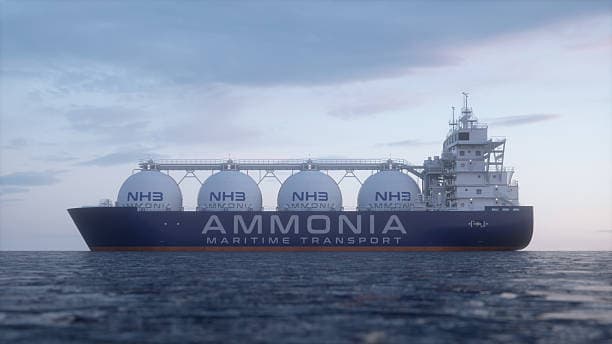
This affects large chemical carriers, including Very Large Chemical Tankers (VLCTs), which depend on secure shipping channels for bulk transportation.
For sulfuric acid buyers, the practical impact includes:
Longer planning timelines.
Potential vessel scheduling changes.
Higher logistics uncertainty.
Need for stronger inventory management.
What Fertilizer Buyers Should Expect in Q3 2026
Fertilizer producers and industrial users should prepare for a market that remains stable but not fully normalized.
The key challenge will be maintaining supply continuity while waiting for shipping conditions to improve.
Procurement teams should focus on:
Reviewing supplier commitments for the third quarter.
Confirming alternative transportation options.
Maintaining adequate inventory coverage.
Tracking Hormuz clearance developments.
Early planning can reduce exposure to unexpected disruptions.
Impact on Mining and Industrial Users
Sulfuric acid demand extends beyond fertilizer markets. Mining operations and industrial processors also depend on reliable supply.
Large-volume users often require consistent delivery schedules because production interruptions can create significant operational losses.
For these companies, procurement decisions should consider:
Supplier reliability.
Storage capacity.
Contract flexibility.
Regional supply alternatives.
A stable supply strategy becomes especially important during periods of logistics uncertainty.
Pricing Factors to Watch for Sulfuric Acid
Sulfuric acid pricing depends on multiple market factors. Shipping conditions are important, but buyers should also monitor upstream and demand-side influences.
Key drivers include:
Sulfur availability from refinery operations.
Fertilizer demand trends.
Global freight costs.
Industrial production levels.
Regional supply balances.
The market may experience gradual adjustment rather than a sudden price shift.
How Procurement Teams Can Manage Supply Risk
The current environment highlights the importance of supply chain resilience.
Buyers can improve planning by:
Maintaining relationships with multiple qualified suppliers.
Reviewing contract terms for flexibility.
Building realistic inventory strategies.
Monitoring shipping developments closely.
Companies that plan beyond immediate price movements can protect operations more effectively.
Long-Term Outlook for Sulfuric Acid Markets
The sulfuric acid market remains supported by strong fertilizer demand and industrial consumption.
As Gulf logistics continue recovering, supply pressure may gradually reduce. However, the timeline depends heavily on maritime security and full access to key transit routes.
The next several weeks will be important for determining whether the market moves toward normal conditions or requires extended risk management.
What Sulfuric Acid Buyers Should Do Now
Sulfuric acid buyers should plan Q3 supply strategies based on continued uncertainty rather than assuming immediate recovery.
The return of Gulf exports is positive, but shipping limitations remain a key factor for large-volume users. Companies should secure supply visibility, monitor logistics updates and maintain flexible sourcing options.
Ready to source sulfuric acid from verified global suppliers? Explore competitive offers on our platform today.
Sulphuric Acid (60%) CAS: 7664-93-9