Overview
Qatar has long been a linchpin in the Gulf’s energy landscape, but recent diplomatic signals and supply disruptions are testing its commercial robustness. While U.S. pressure on Iran continues to cast a long shadow over regional stability, the twin pillars of the country’s chemical sector—QatarEnergy and QAFCO—are confronting a new set of challenges.
Diplomatic Landscape
Mixed Signals in U.S.–Iran Negotiations
The U.S. has maintained a hard‑line stance on Iran, yet diplomatic overtures have surfaced intermittently. This ambiguity fuels uncertainty about the duration and intensity of sanctions that could affect Qatar’s LNG export routes and petrochemical shipments.
Impact on Gulf Stability
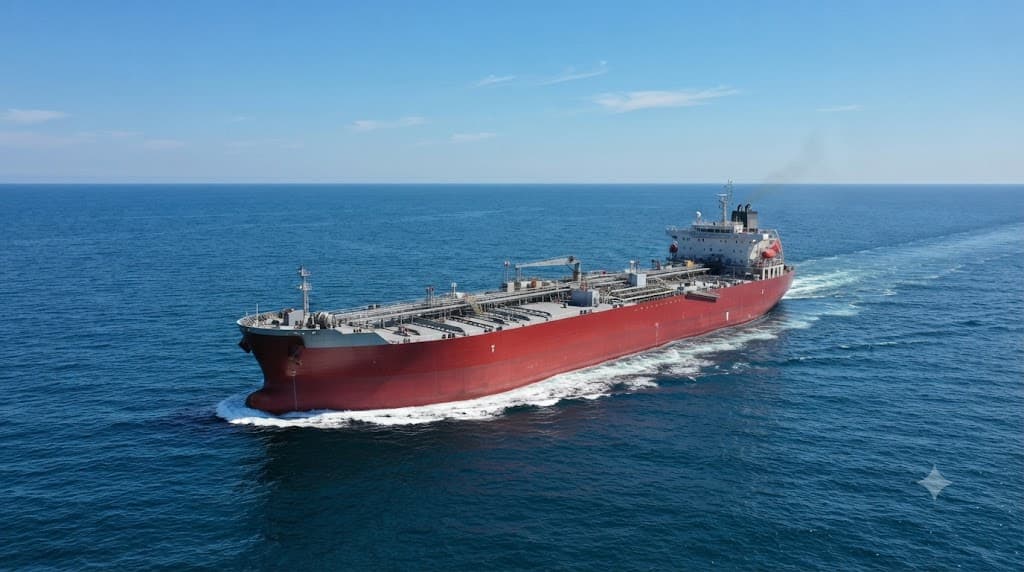
Should a new agreement materialise, the Gulf’s maritime corridors could open, boosting trade. Conversely, a stalemate could prolong disruptions in the flow of natural gas to European and Asian markets, directly impacting Qatar’s export quotas.
Commercial Implications
For chemical buyers, the central question is whether QatarEnergy can preserve its investment commitments amid prolonged supply shocks. The Golden Triangle Polymers joint venture in Texas, a capital‑heavy endeavour, is now under scrutiny as capital flows tighten and project timelines stretch.
Supply Chain Disruptions
- LNG supply cuts due to pipeline repairs or geopolitical blockages.
- Petrochemical output reductions linked to stranded plant capacity.
- Forced outages triggered by international sanctions or technical failures.
QatarEnergy’s Financial Resilience
QatarEnergy has historically demonstrated a strong balance sheet, yet the current landscape strains its liquidity. The company’s ability to honour long‑term contracts hinges on:
- Maintaining sufficient cash reserves.
- Securing new financing under favorable terms.
- Optimising existing asset utilisation.
Analysts note that the firm’s diversified portfolio—spanning LNG, petrochemicals, and renewable projects—provides a buffer. However, sustained disruptions could erode revenue streams, forcing a reassessment of capital allocation.
QAFCO’s Supply Recovery
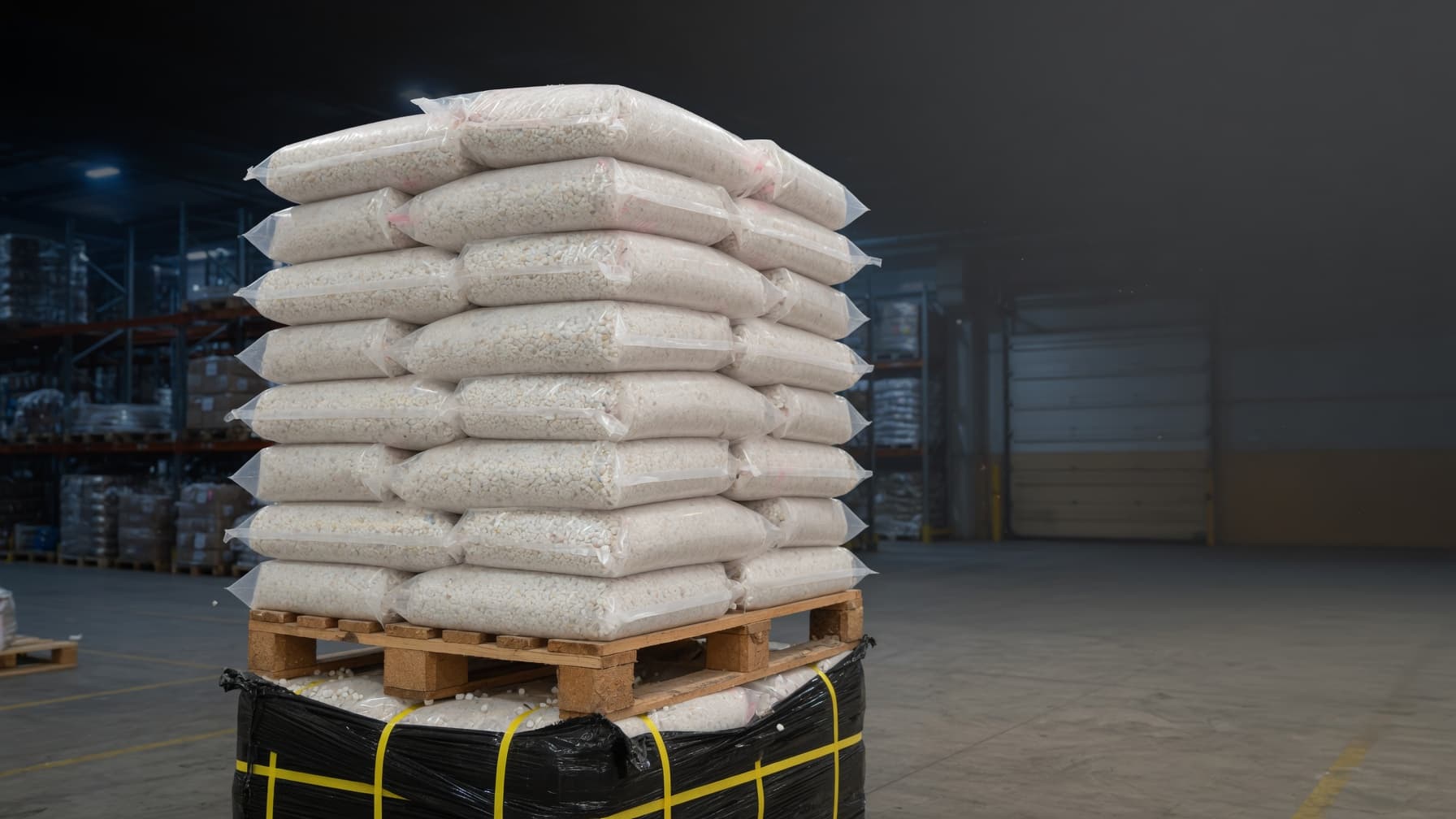
QAFCO, Qatar’s flagship ammonia and urea producer, continues to operate under force majeure clauses for several large contracts. The company’s focus is on:
- Negotiating fair withdrawal timelines with buyers.
- Accelerating alternative supply routes.
- Leveraging domestic storage facilities to smooth distribution.
These efforts are critical because any delay in normalising contracts will ripple through downstream fertilizer pricing in Asia. Market analysts predict a 5‑10 % price volatility for ammonia and urea over the next 12 months.
Golden Triangle Polymers Joint Venture
Located in Texas, this partnership aims to deliver high‑density polyethylene and other polymers to the U.S. market. Its capital‑intensive nature means that project delays could inflate costs and postpone revenue generation. The venture’s success will depend on:
- Securing stable financing amid global market uncertainty.
- Ensuring a steady supply of feedstock from Qatari LNG.
- Navigating U.S. regulatory approvals efficiently.
If these conditions are met, the joint venture could become a cornerstone of QatarEnergy’s North American footprint.
Outlook
Short‑term, the region faces continued volatility. Long‑term prospects hinge on diplomatic breakthroughs and the resilience of Qatar’s key players. Chemical buyers should monitor:
- U.S.‑Iran diplomatic developments.
- QatarEnergy’s capital‑expenditure plans.
- QAFCO’s contract renegotiations.
- Golden Triangle’s operational timelines.
By staying attuned to these dynamics, stakeholders can better anticipate market shifts and adjust procurement strategies accordingly.
Conclusion
Qatar’s diplomatic ambiguity and ongoing force majeure conditions pose critical questions about the nation’s energy resilience and chemical supply chain. The balance between geopolitical risk and commercial opportunity will shape the next chapter of Gulf energy commerce.