
Corn Gluten Meal (60% Min Protein) - Indonesia CAS: 66071-96-3
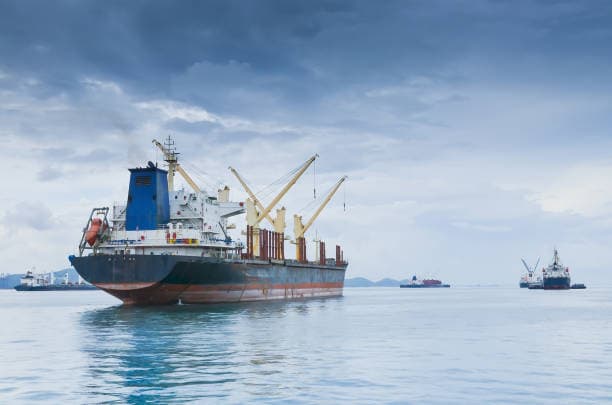
The sudden end of a regional ceasefire has formally reopened the Hormuz shipping crisis, କ re‑igniting fears of major disruptions in the Strait of Hormuz. This development threatens to ripple through chemical logistics, tanker operations, freight rates, and global supply chains, especially in the fertilizer sector.
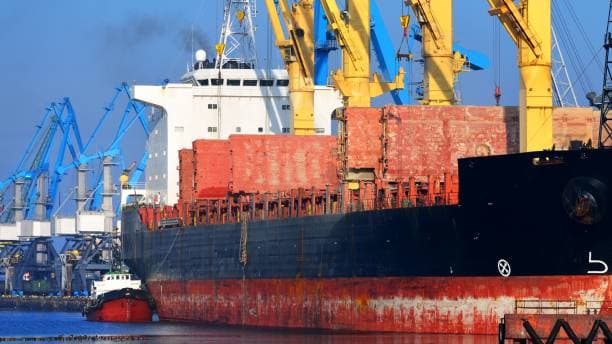
In a surprising shift, President Trump has announced the removal of a proposed 20% toll on ships transiting the Strait of Hormuz. The decision offers temporary relief to shipping companies but is set against a backdrop of heightened geopolitical tensions. Maritime analysts examine how this change could reshape freight costs and chemical logistics for the next quarter.

The interim June 17 agreement to reopen Hormuz has collapsed
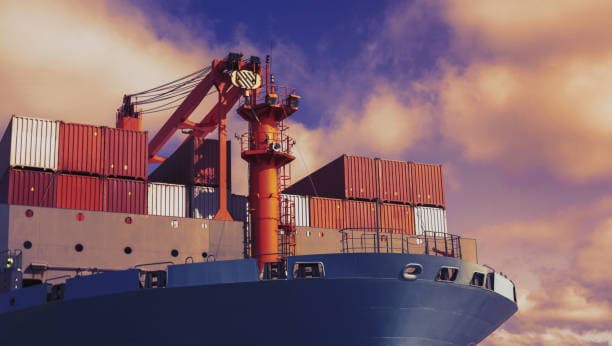
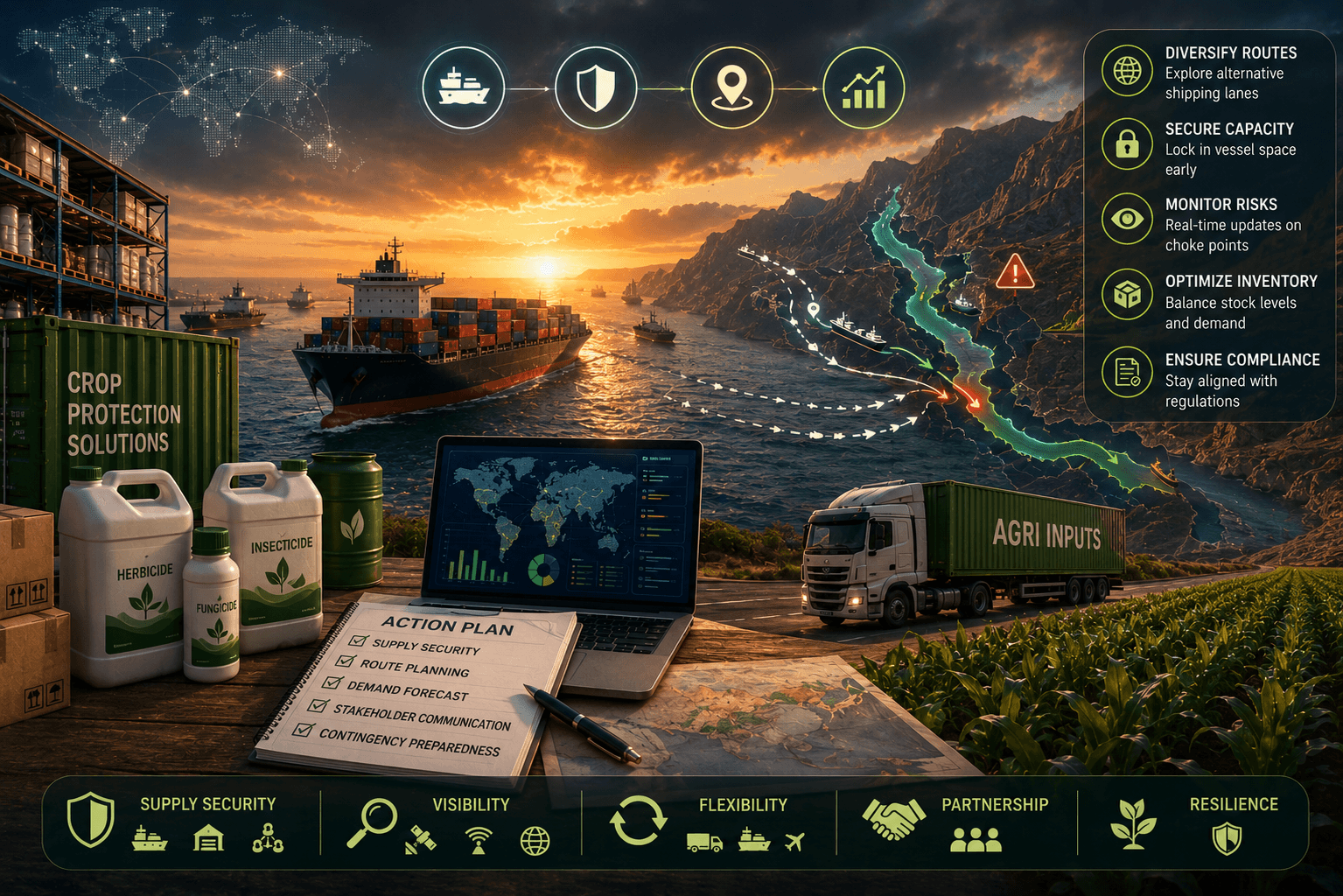
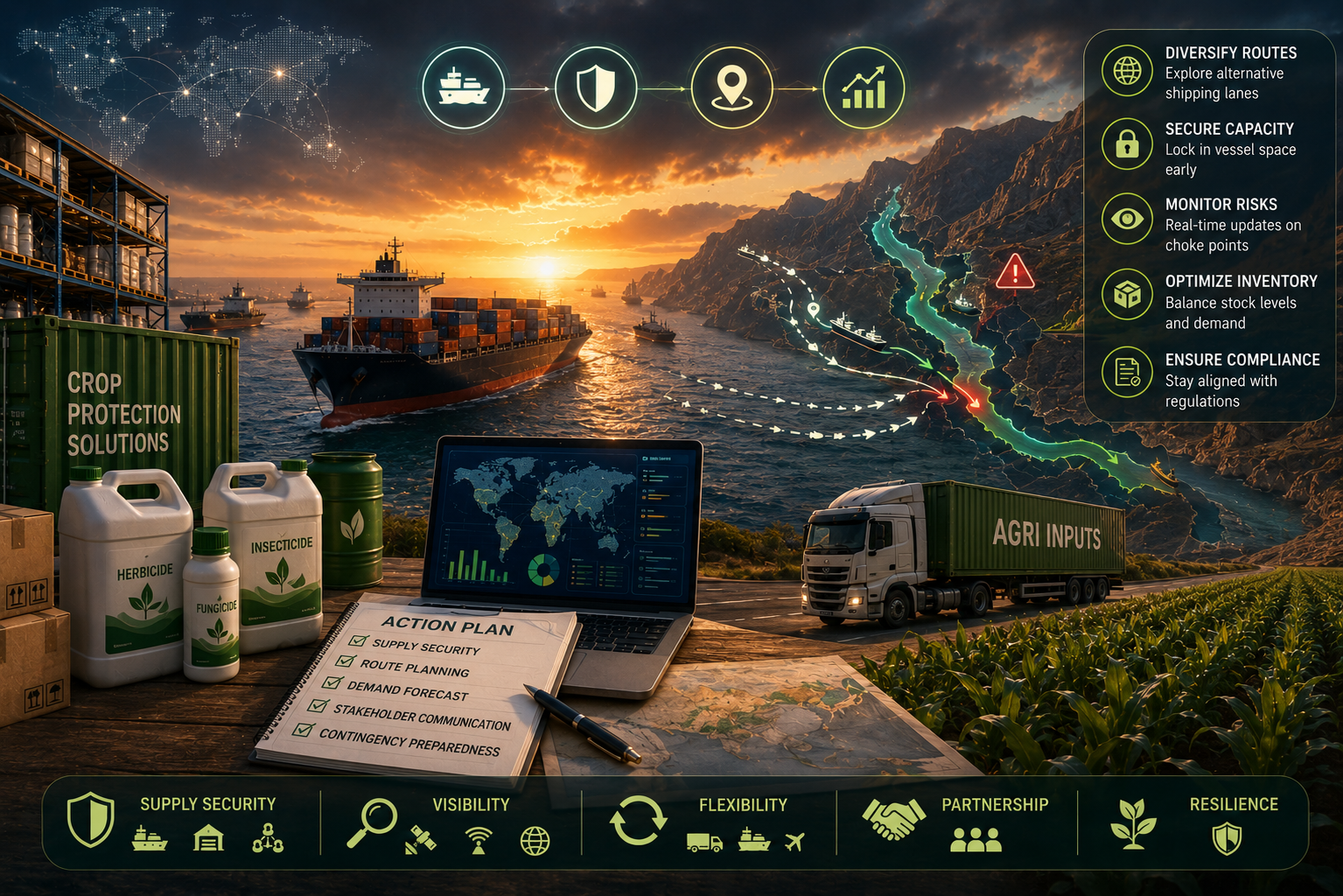
Renewed geopolitical tensions threaten to elevate freight rates once again, putting pressure on chemical shipping, fertilizer logistics, and procurement budgets. This article explains the drivers, the sectors most exposed, and strategies to mitigate the impact.

The U.S. administration has temporarily halted customs duties on Moroccan phosphate, a key raw material for fertilizers. This move reshapes import flows, sourcing decisions, and logistics planning for agribusinesses worldwide, with ripple effects across the global phosphate market.
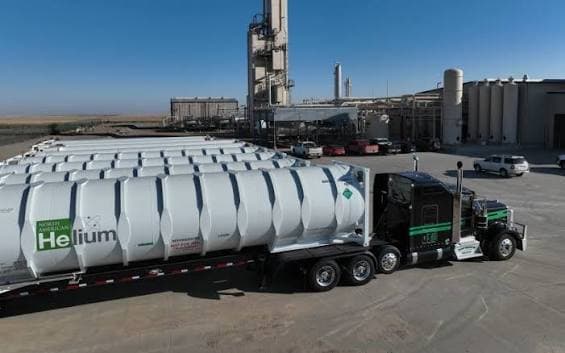
The 2026 Hormuz crisis created one of the most overlooked commodity disruptions in global markets: helium. Damage to Qatar’s Ras Laffan LNG infrastructure reduced helium production capacity, creating a structural supply shortage that may persist for years even as shipping conditions across Hormuz begin improving.
We're committed to your privacy. Tradeasia uses the information you provide to us to contact you about our relevant content, products, and services. For more information, check out our privacy policy.