Pakistan Chemical Watch: Import Disruption, Currency Crisis, and Chemical Procurement Under Pressure
Introduction
Pakistan’s chemical sector enters mid-2026 under severe combined pressure from global supply disruption, currency weakness, and import dependency. The Hormuz crisis has not only increased global chemical prices but also extended shipping times and tightened availability across key petrochemical and specialty chemical chains.
For Pakistan, which relies heavily on imported intermediates for both industrial production and export-oriented manufacturing, the impact is amplified by structural macroeconomic stress. The result is a market where pricing, financing, and logistics risks are all elevated simultaneously.
1. Currency Pressure Amplifies Import Shock
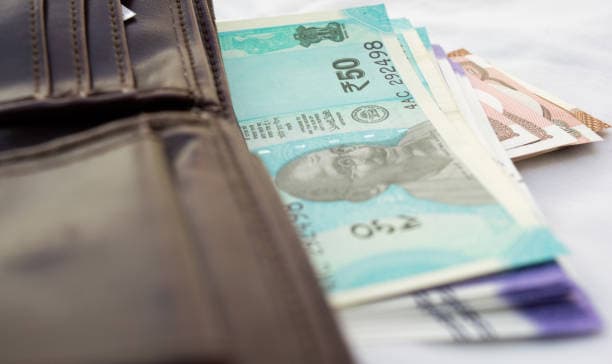
Pakistan’s chemical import bill is highly sensitive to foreign exchange movements due to USD-linked pricing.
Key challenge:
Depreciation of the Pakistani Rupee (PKR)
USD-denominated chemical contracts
Rising import financing costs
Market effect:
Even when global chemical prices stabilize, local landed costs continue to rise due to:
FX volatility
Banking constraints
Higher credit risk premiums
This creates a structural disconnect between global and domestic chemical affordability.
2. Hormuz Disruption: Longer Routes, Higher Costs
The Hormuz-related supply disruption has significantly affected Pakistan’s import logistics.
Key impacts:
Longer shipping routes (via alternative maritime corridors)
Higher freight and insurance premiums
Delays in delivery schedules
Reduced spot market flexibility
Most affected chemical categories:
Polymers (PE, PP, PET chain materials)
Fertilizers (urea, DAP intermediates)
Textile chemicals (dyes, finishing agents)
Industrial solvents and specialty chemicals
For Pakistan’s import-heavy structure, logistics disruption directly translates into production uncertainty.
Purified Terephthalic Acid CAS: 100-21-0
3. Textile Sector: Core of Chemical Demand Under Stress
Pakistan’s largest export industry remains textiles, which is deeply dependent on imported chemicals.
Key dependencies:
PTA and MEG for polyester fiber
Dye intermediates and finishing chemicals
Textile auxiliaries and processing agents
Value chain pressure:
Higher raw material costs
Uncertain supply continuity
Reduced margin flexibility for exporters
Since textiles account for a major share of export earnings, chemical supply stress is directly linked to macroeconomic stability.
4. Shift Toward Chinese Supply Chains
With Gulf-linked supply chains under pressure, Pakistan is increasingly pivoting toward Chinese chemical suppliers.
Why China is preferred:
Larger and more diversified chemical production base
Alternative logistics routes less exposed to Hormuz bottlenecks
Competitive pricing for bulk chemicals
Flexible contract structures in some segments
Trade-off:
Longer lead times compared to regional suppliers
Higher inventory requirements
Increased working capital pressure
This shift is not purely strategic—it is driven by necessity and supply availability.
5. Payment Risk and Trade Finance Tightening
One of the most critical issues for international suppliers is financial risk management.
Common trade structures:
Letters of Credit (LC)
Documentary Credits (DC)
Partial advance payment arrangements
Current challenges:
Banking risk perception remains elevated
Delays in LC approvals
Higher cost of trade financing
Increased preference for secured payment structures
For exporters, Pakistan is increasingly viewed as a high-risk, structured-payment market.
6. Fertilizer and Agriculture Chemicals Under Pressure
Agriculture remains a major consumer of imported chemicals.
Affected inputs:
Urea and ammonia derivatives
Crop protection chemicals
Soil treatment additives
Market impact:
Rising input costs for farmers
Pressure on subsidy frameworks
Potential downstream effects on food pricing
Given agriculture’s importance to Pakistan’s economy, fertilizer affordability is a sensitive policy issue.

7. Structural Challenge: Import Dependency Without Buffer Capacity
Pakistan’s chemical sector lacks significant upstream integration.
Key structural limitations:
Limited domestic petrochemical production
High dependency on imported intermediates
Weak buffer inventory systems
Exposure to global freight cycles
This makes the market highly reactive to external shocks.
8. Procurement Behavior: Defensive and Short-Term
Chemical buyers in Pakistan are shifting procurement strategies.
Key trends:
Shorter contract durations
Increased spot purchasing caution
Higher inventory buffers for critical inputs
Stronger focus on lowest landed cost sourcing
However, financial constraints limit how much inventory can actually be built.
Market Outlook
Pakistan’s chemical market in 2026 is defined by simultaneous pressure from currency depreciation, global logistics disruption, and import dependency. While global supply chains are gradually adjusting after the Hormuz crisis, Pakistan faces an additional domestic constraint: limited financial flexibility.
The result is a market that remains structurally import-reliant but operationally constrained, where procurement decisions are increasingly driven by financing availability rather than purely by price or supply preference.
Key Takeaways
Pakistan’s chemical sector is under combined pressure from FX weakness and global supply disruption.
Hormuz-related logistics changes are increasing freight costs and delivery times.
Textile sector demand is heavily exposed due to reliance on PTA, MEG, and dyes.
Chinese suppliers are gaining share due to alternative logistics routes.
Trade finance structures (LC/DC) are critical for securing imports.
Pakistan remains a high-risk, high-need chemical import market.
Procurement is shifting toward short-term, secured, and defensive strategies.