The European nylon 6 supply chain is facing renewed uncertainty after LEUNA-Polyamid GmbH entered insolvency proceedings, highlighting deeper challenges across the region’s specialty chemical sector. The nylon 6 market outlook for 2026 is being shaped by fragile production economics, high input costs and limited regional capacity flexibility.
LEUNA-Polyamid, formed earlier in 2026 to continue operations at the former DOMO Caproleuna site in Leuna, Germany, filed for insolvency proceedings after facing liquidity pressure from worsening market conditions and rising production costs.
The development affects a key production hub for caprolactam, a critical raw material for polyamide 6 manufacturing used in automotive, textiles and industrial applications.
LEUNA-Polyamid Insolvency Raises Caprolactam Supply Concerns
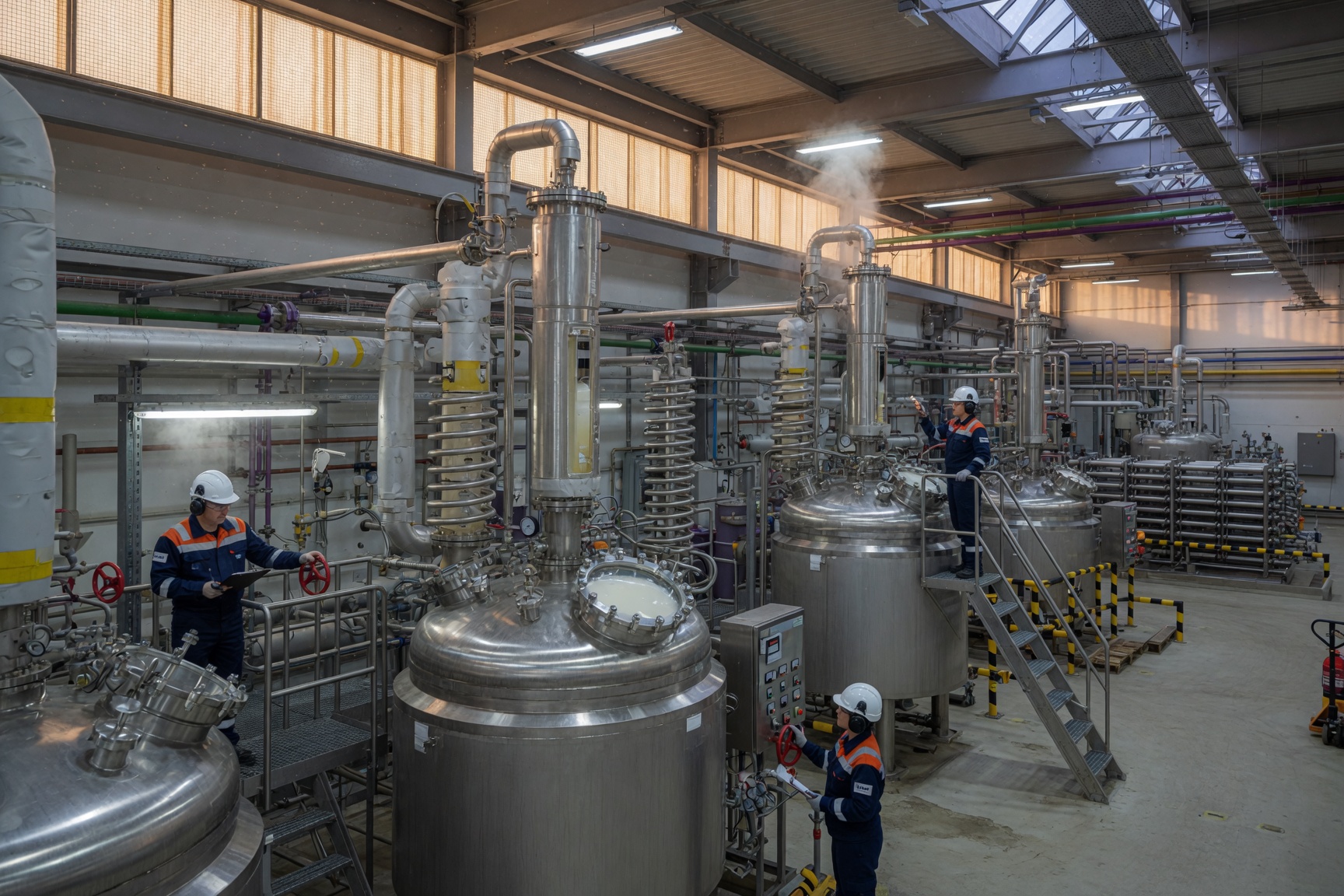
The Leuna facility produces caprolactam, polyamide 6 and related chemical products including phenol, acetone and cyclohexanone. These materials support important downstream industries that rely on consistent specialty polymer supply.
The second insolvency event at the site within a short period demonstrates the financial pressure facing European chemical producers.
Key concerns for buyers include:
Reduced regional production reliability.
Increased dependence on imports.
Higher risk of supply interruptions.
Greater pressure on remaining European producers.
For nylon 6 users, the situation creates another challenge in an already complex supply environment.
Caprolactam’s Role in the Nylon 6 Supply Chain
Caprolactam is the primary feedstock used to manufacture nylon 6, a high-performance polymer valued for strength, durability and chemical resistance.
Nylon 6 is widely used in:
Automotive components: Including under-the-hood parts and engineered plastic applications.
Textile fibers: Used in fabrics, industrial materials and consumer products.
Electrical components: Applied where durability and heat resistance are required.
Industrial products: Supporting various manufacturing applications.
Any disruption in caprolactam production can affect multiple downstream sectors.
Rising Feedstock Costs Pressure European Chemical Producers
The Leuna insolvency reflects broader cost challenges across European chemical manufacturing. During the Iran war period, key inputs including sulfur, benzene and propylene experienced significant price increases.
These feedstocks influence production economics for multiple specialty chemicals.
Major cost pressures include:
Higher raw material expenses.
Elevated energy costs.
Weak industrial demand.
Reduced operating margins.
European producers have faced a difficult balance between maintaining operations and remaining competitive against lower-cost global suppliers.
European Specialty Chemicals Face Structural Challenges
The challenges at Leuna are part of a wider trend affecting European chemical production. High operating costs and changing global competition have pushed companies to review manufacturing footprints.
The sector is dealing with:
Aging production assets.
Lower utilization rates.
Strong competition from Asia.
Energy cost disadvantages.
Increasing investment requirements.
These factors have contributed to capacity reductions and restructuring across several chemical segments.
Impact on Nylon 6 Buyers and Industrial Users
Nylon 6 buyers across automotive, textiles and industrial markets may need to prepare for increased sourcing complexity. Reduced European capacity could create additional dependence on suppliers from other regions.
Procurement teams should monitor:
Supplier production status.
Alternative caprolactam sources.
Import availability.
Lead times.
Contract flexibility.
A more diversified sourcing approach can reduce exposure to unexpected supply disruptions.
Global Caprolactam Supply Landscape
The global caprolactam market includes producers across Europe, Asia and other industrial regions. Asian producers, particularly in China, have expanded chemical capacity and play an important role in global supply.
Current market factors include:
Regional production cost differences.
Export availability.
Transportation economics.
Downstream nylon demand.
Global supply flexibility may help reduce shortages, but logistics and quality requirements remain important considerations.
Automotive Demand and Nylon 6 Market Recovery
The automotive sector remains one of the most important demand drivers for nylon 6. The material supports lightweighting initiatives and performance requirements in modern vehicles.
However, automotive chemical demand depends on:
Vehicle production levels.
Economic conditions.
Supply chain stability.
Material substitution trends.
A recovery in industrial activity could support nylon 6 demand, but supply constraints may influence pricing dynamics.
Procurement Strategy for Caprolactam and Nylon 6 Buyers
The current environment requires buyers to evaluate supply resilience alongside pricing. Short-term cost savings may not compensate for potential production interruptions.
Recommended strategies include:
Building relationships with multiple suppliers.
Reviewing alternative origins.
Securing longer-term supply agreements.
Monitoring raw material markets.
Maintaining appropriate inventory levels.
For specialty chemicals, reliability remains a critical purchasing factor.
Pricing Outlook for Nylon 6 and Caprolactam in H2 2026
Nylon 6 and caprolactam pricing will depend on the balance between supply reductions and demand conditions. While reduced European capacity may support prices, weaker industrial demand could limit increases.
Key pricing influences include:
Availability from alternative regions.
Feedstock costs.
Energy prices.
Automotive and textile demand.
Producer operating rates.
Market volatility is expected to continue as the industry adjusts.
Looking Ahead to 2027: European Chemical Supply Restructuring
The LEUNA-Polyamid insolvency highlights the ongoing restructuring of European specialty chemical production. The challenge is not only individual company performance but the broader competitiveness of regional manufacturing.
For nylon 6 buyers, the coming period will require closer supplier management, stronger risk planning and greater attention to global trade flows.
Companies that adapt sourcing strategies and monitor market changes will be better positioned as the caprolactam and polyamide supply chain evolves.
Ready to source Nylon 6 from verified global suppliers? Explore competitive offers on our platform today.
Nylon 6 CAS: 25038-54-4