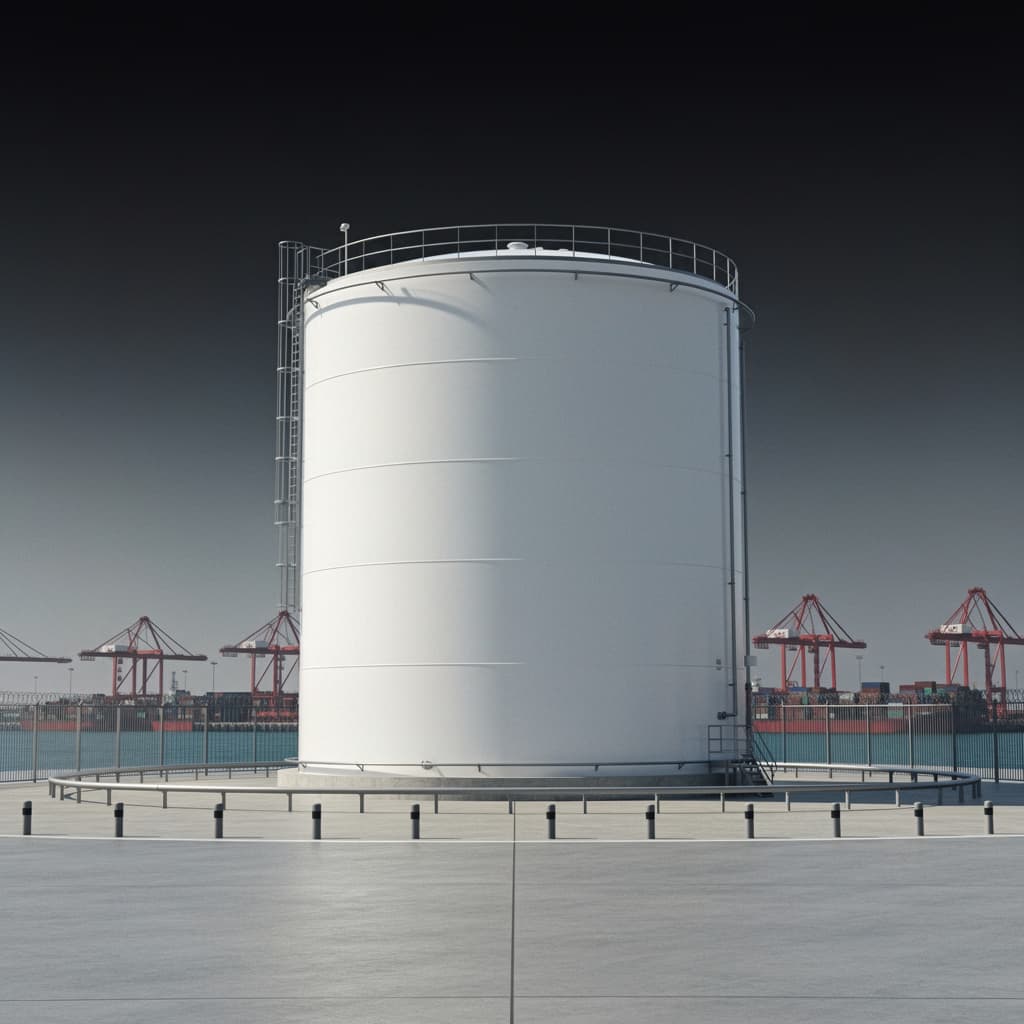

Modified Starch and Tapioca: Southeast Asia Logistics Normalizing After Port Congestion Delays
Introduction
For much of the first half of 2026, food ingredient procurement teams across Asia faced an unusual challenge: obtaining tapioca starch and modified starch products was often easier than moving them. While production capacity in major exporting countries remained largely available, logistics disruptions triggered by the Hormuz crisis created congestion throughout regional shipping networks, extending delivery schedules and forcing manufacturers to build larger safety stocks.
Now, as shipping patterns gradually stabilize in the post-Hormuz environment, Southeast Asia's starch supply chain is beginning to recover. Port congestion is easing, vessel availability is improving, and procurement lead times are moving closer to historical norms.
For food manufacturers, this normalization could improve working capital efficiency and reduce inventory costs during the second half of 2026.
Why Tapioca Starch Matters
Tapioca starch is one of the most important food ingredients traded within Asia.
Derived from cassava roots, it is valued for:
Neutral taste
High viscosity
Freeze-thaw stability
Clean-label compatibility
Gluten-free functionality
Major applications:
Food Processing
Noodles
Bakery products
Snacks
Confectionery
Dairy products
Tapioca Starch CAS: 9057-07-02
Industrial Uses
Paper manufacturing
Textile processing
Adhesives
Modified Starch Production
Many specialty modified starches use tapioca starch as their primary feedstock.
Southeast Asia's Dominant Role
The ASEAN region remains the global center of tapioca starch production.
Key producing countries:
Thailand
Vietnam
Indonesia
Among these, Thailand remains the largest export-oriented supplier, serving food manufacturers across Asia, the Middle East, Europe, and North America.
How Logistics Became the Main Bottleneck
During the Hormuz disruption, many supply chains experienced indirect consequences even when products themselves were not sourced from the Gulf.
Key challenges included:
Vessel schedule disruptions
Port congestion
Container imbalances
Freight rate volatility
Longer transshipment times
For starch buyers, logistics became a larger issue than production availability.
Result:
Manufacturers increased inventory buffers to avoid supply interruptions.

Indonesia and Philippines Port Congestion
One of the most significant bottlenecks emerged on the receiving side of regional trade flows.
Most affected locations:
Indonesia ports
Philippines ports
Consequences:
Extended cargo dwell times
Delayed customs processing
Vessel scheduling inefficiencies
Longer effective delivery timelines
For food manufacturers operating with tight production schedules, these delays created planning uncertainty.
Why Temperature-Sensitive Cargo Was Particularly Affected
Although tapioca starch is generally stable, many modified starch products and specialty food ingredients require controlled handling conditions.
Risks associated with prolonged transit:
Quality degradation
Packaging stress
Warehouse storage complications
Higher logistics costs
As delivery schedules became less predictable, manufacturers increased safety stock levels to protect production continuity.
Thailand's Export Logistics Are Improving
The most encouraging development for buyers is the improvement in Thailand's export logistics environment.
Positive indicators include:
Better vessel availability
Improved container access
More predictable booking schedules
Reduced shipment delays
Impact on exporters:
Thai suppliers are increasingly able to provide:
More accurate shipping schedules
Shorter booking lead times
Improved contract fulfillment reliability
This benefits both suppliers and buyers.
Lead Times Are Moving Toward Normal
One of the clearest signs of recovery is procurement lead-time improvement.
During peak disruption:
Typical procurement planning often required:
6–8 weeks of safety buffer
This reflected uncertainty in:
Shipping schedules
Port handling
Customs processing
Current trend:
Buyers are gradually returning toward:
4–6 week planning windows
While not fully normalized, this represents a meaningful improvement.
Working Capital Benefits for Food Manufacturers
Reduced lead times have important financial implications.
Benefits include:
Lower Inventory Holdings
Companies can operate with smaller safety stocks.
Reduced Warehouse Costs
Less inventory requires less storage space.
Improved Cash Flow
Working capital tied up in inventory can be redeployed elsewhere.
Better Procurement Flexibility
Buyers can respond more quickly to changing market conditions.
For many food processors, these benefits are almost as valuable as lower freight rates.
Modified Starch Demand Remains Strong
While logistics conditions improve, demand fundamentals remain supportive.
Key demand drivers:
Clean-Label Reformulation
Food manufacturers continue replacing certain synthetic additives.
Convenience Foods
Growth in processed food consumption supports starch demand.
Plant-Based Foods
Texture and stability requirements often rely on modified starch systems.
Regional Food Manufacturing Growth
Asia remains one of the fastest-growing processed food markets globally.
As a result, normalization of logistics is improving supply chain efficiency rather than weakening demand.
Modified Corn Starch (E1442) CAS: 65996-63-6
Corn Starch CAS: 9005-25-8
Procurement Strategy for Q3 2026
Food Manufacturers
Consider:
Reviewing emergency inventory policies
Reassessing safety stock requirements
Optimizing warehouse utilization
Ingredient Distributors
Focus on:
Freight availability trends
Supplier scheduling reliability
Inventory turnover improvements
Procurement Teams
Evaluate:
Lead-time reductions
Contract flexibility
Multi-origin sourcing options
The market is shifting from crisis management toward operational optimization.
Market Outlook
The modified starch and tapioca supply chain is entering a more stable phase as Southeast Asian logistics gradually recover from the disruptions experienced earlier in 2026. Easing congestion in Indonesia and the Philippines, combined with improved export logistics from Thailand, is helping restore predictability to regional ingredient trade.
For food manufacturers, the biggest benefit may not be lower ingredient prices but improved supply chain efficiency. Procurement lead times that had expanded to 6–8 weeks during the crisis period are increasingly moving back toward more manageable 4–6 week windows, allowing companies to reduce inventory burdens and improve working capital management.
While logistics conditions are not yet fully normalized, the direction of travel is positive for buyers across Asia and beyond.
Key Takeaways
Tapioca starch remains a critical ingredient for food, industrial, and modified starch applications.
Southeast Asia continues to dominate global tapioca starch exports.
Port congestion in Indonesia and the Philippines contributed to extended delivery schedules during H1 2026.
Thailand's export logistics are showing signs of improvement.
Vessel availability and booking reliability are gradually recovering.
Procurement lead times are moving from emergency 6–8 week buffers toward 4–6 week planning windows.
Reduced lead times improve working capital efficiency for food manufacturers.
Demand for modified starch remains supported by clean-label and convenience food trends.
Q3 2026 is expected to bring greater supply-chain predictability for starch buyers.