Panama Canal Delays Return: MEG and Caustic Soda Traffic to Asia Slows as Queues Lengthen
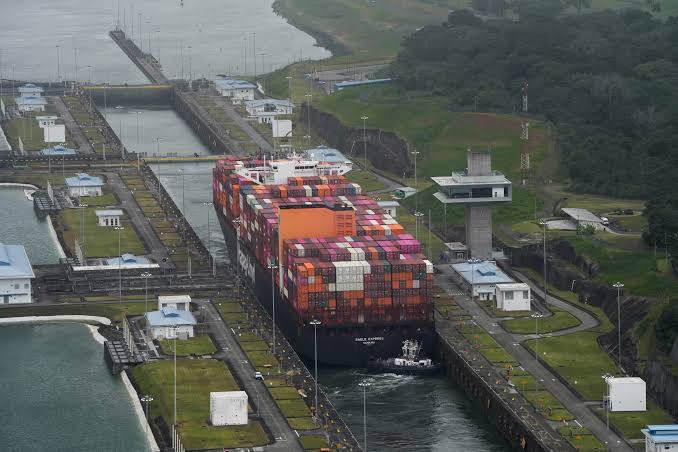
The Panama Canal is once again facing operational strain as vessel queues lengthen and transit delays re-emerge, disrupting key global chemical trade flows. Among the most affected are Monoethylene Glycol (MEG) and caustic soda shipments moving toward Asia, where timing, routing efficiency, and freight economics are becoming increasingly unstable.
What was previously a reliable shortcut between the Atlantic and Pacific is now becoming a bottleneck-driven choke point, forcing chemical traders to rethink routing strategies and inventory planning.
Why the Panama Canal Matters for Chemicals
The Panama Canal is a critical artery for global chemical logistics, especially for cargo moving between:
U.S. Gulf Coast → Asia
Latin America → Asia
Europe (Atlantic-side exports) → Pacific markets via transshipment
For chemicals like MEG and caustic soda, the canal provides:
Shorter voyage times
Lower fuel consumption
Faster delivery cycles for time-sensitive industrial demand
When delays occur, the entire supply chain feels the impact immediately.
What Is Driving the Current Delays?
The return of congestion is not caused by a single issue—it is a combination of structural and operational constraints.
1. Vessel Queues and Slot Constraints
Increased demand for transits has led to longer waiting times for slot allocation. Even small scheduling disruptions create cascading delays.
2. Water Level and Transit Restrictions
The Panama Canal remains sensitive to freshwater availability. Operational restrictions on daily transits can tighten capacity during stress periods.
3. Shift in Global Trade Flows
More chemical cargo is being routed through the canal due to:
Longer alternative routes via the Cape of Good Hope
Geopolitical disruptions in traditional shipping lanes
Increased Asia-bound exports from the Americas
This has raised baseline demand for canal slots.
4. Higher Share of Time-Sensitive Cargo
MEG and caustic soda are widely used in:
Polyester production
Water treatment
Industrial manufacturing
These industries rely on predictable delivery cycles, increasing pressure to use faster routes like Panama.
Why MEG and Caustic Soda Are Hit Hard
MEG (Monoethylene Glycol)
MEG flows are heavily linked to textile and polyester demand in Asia. Any delay impacts:
Polyester fiber production schedules
Downstream textile manufacturing
Seasonal apparel supply chains
Because MEG is often traded in large volumes on tight delivery schedules, even minor transit delays create ripple effects.
Caustic Soda
Caustic soda shipments are equally sensitive due to:
Continuous demand in alumina refining
Paper and pulp production cycles
Chemical manufacturing feedstock requirements
Many buyers operate with limited inventory buffers, meaning delays can quickly turn into production bottlenecks.
The Hidden Impact: Routing Shifts Are Increasing Costs
As Panama Canal delays persist, traders are adjusting routes:
Alternative 1: Suez Canal Routing
Longer distance for Americas → Asia
Higher bunker fuel consumption
Increased geopolitical risk exposure
Alternative 2: Cape of Good Hope Route
Even longer transit times
Lower congestion risk
Higher total voyage days and freight cost inflation
Both alternatives reduce efficiency and increase total logistics costs.
Freight Market Effects: Tightness Without Demand Growth
Interestingly, freight rates on affected lanes are rising—but not because of strong demand growth.
Instead, the market is experiencing:
Artificial capacity tightening due to longer voyage durations
Fleet absorption effect (ships stuck in transit longer)
Higher scheduling uncertainty premiums
This mirrors a broader trend in chemical logistics: inefficiency is driving utilization, not consumption growth.
Supply Chain Behavior Is Changing
Chemical traders and end-users are adapting quickly:
1. Early Booking Strategies
Companies are reserving canal slots earlier to avoid queue risk.
2. Inventory Buffer Expansion
Buyers are increasing stock levels in Asia to reduce dependency on just-in-time arrivals.
3. Diversified Routing
Shippers are splitting cargo flows across multiple routes to reduce single-point disruption exposure.
4. Contract Premiums for Reliability
Some long-term contracts now include premiums for guaranteed transit timing rather than lowest cost.
Structural Issue: The Canal Is Becoming a Variable Capacity System
Historically, the Panama Canal was treated as a fixed-capacity route with predictable throughput.
Today, it behaves more like a variable capacity system, influenced by:
Climate and water availability
Seasonal trade surges
Global rerouting patterns
Vessel size distribution changes
This unpredictability is what makes chemical logistics more fragile.
Outlook: Persistent Volatility Ahead
Unless structural capacity expands or congestion eases significantly, Panama Canal delays are likely to remain a recurring feature rather than a temporary disruption.
For MEG and caustic soda flows into Asia, this means:
Continued schedule volatility
Higher freight risk premiums
Increasing reliance on alternative routing
Greater importance of inventory planning
Conclusion
The return of Panama Canal delays is not just a shipping issue—it is a chemical supply chain issue. MEG and caustic soda flows are being slowed not by lack of demand, but by logistical friction and constrained transit capacity.