The pharmaceutical industry entered 2026 expecting gradual supply chain normalization, but the first six months proved that geopolitical events, logistics disruptions, and concentrated manufacturing capacity continue to present significant procurement challenges. While pharmaceutical production remained largely resilient, the movement of active pharmaceutical ingredients (APIs), intermediates, solvents, and packaging materials became increasingly expensive and unpredictable.
Rather than treating the events of H1 2026 as a temporary disruption, pharmaceutical manufacturers should view them as a structural warning. The experience reinforced an important lesson: depending heavily on a single production region or transportation corridor creates unnecessary operational risk. Procurement teams entering H2 2026 should focus on supplier diversification, stronger inventory planning, and improved contractual protection to build more resilient pharmaceutical supply chains.

H1 2026 Highlighted Supply Chain Weaknesses
Several events throughout the first half of the year demonstrated that pharmaceutical supply chains remain highly interconnected.
Major challenges included:
Regional API concentration
Higher freight costs
Longer shipping lead times
Marine insurance increases
Limited alternative sourcing options
Rising procurement costs
Although manufacturers adapted successfully, these events exposed areas where greater resilience is needed.
API Concentration Continues to Create Risk
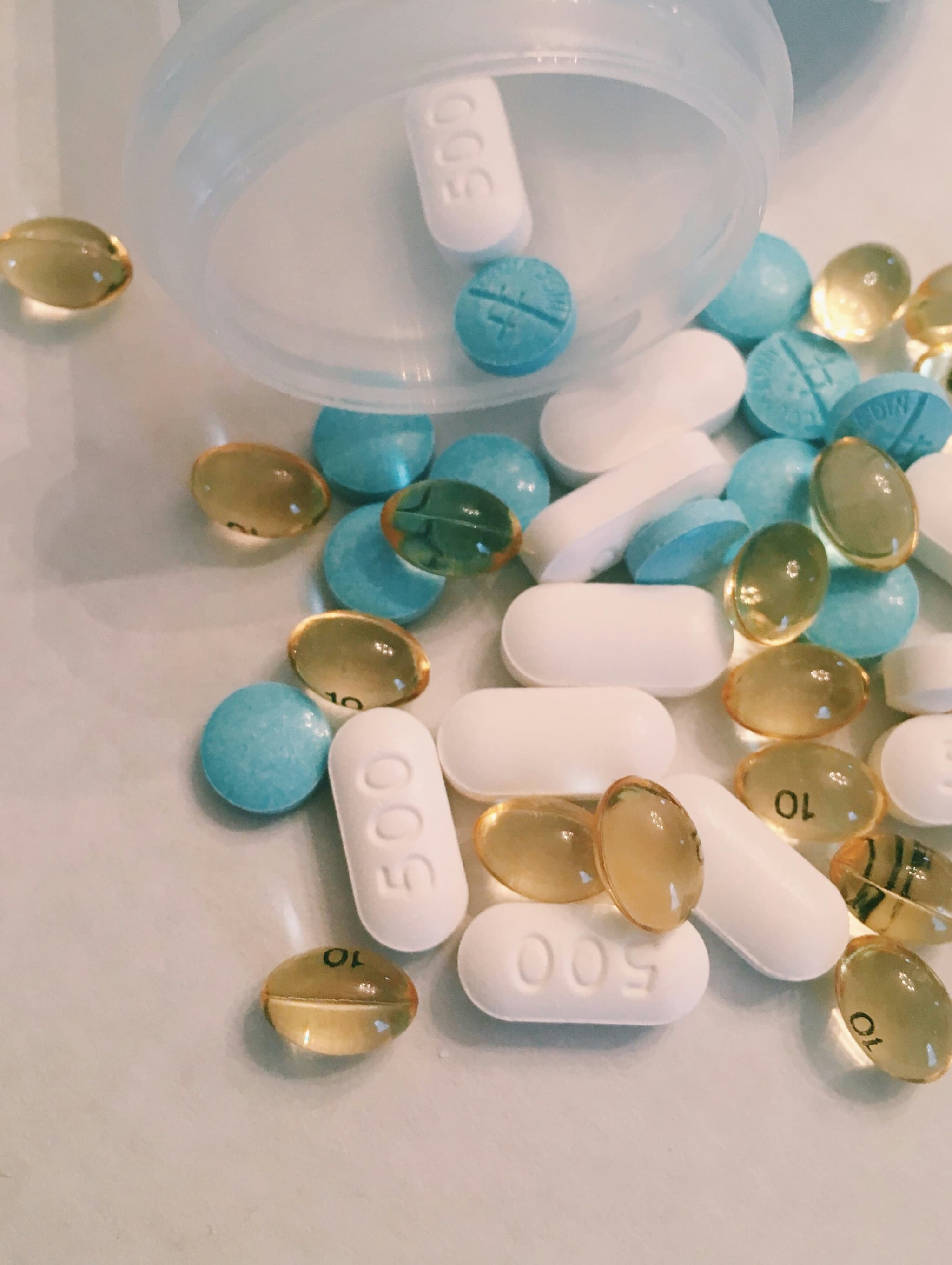
Many essential medicines still rely on production concentrated within a small number of manufacturing hubs.
Examples include:
Antibiotic APIs
Cardiovascular medicines
Diabetes medications
Generic pharmaceutical ingredients
Injectable drug components
When production or logistics are interrupted in one region, global pharmaceutical manufacturers often experience immediate supply pressure.
Expanding qualified supplier networks can significantly reduce this exposure.
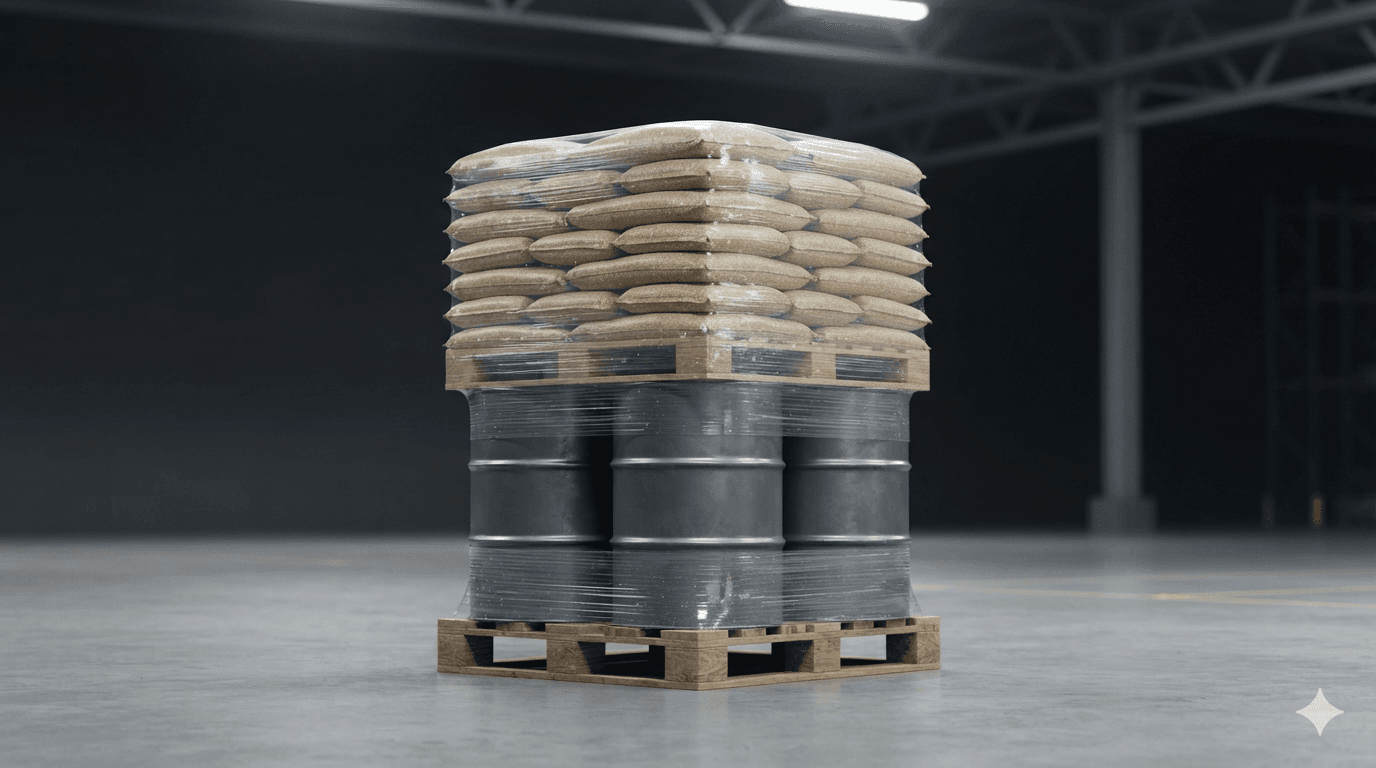
Pharmaceutical Solvents Are Critical Supporting Materials
While APIs receive most procurement attention, pharmaceutical-grade solvents remain equally important.
Common solvents include:
Dimethylformamide (DMF)
Methanol
Ethanol
Isopropyl Alcohol
Acetone
Ethyl Acetate
These chemicals support API synthesis, purification, cleaning, and formulation. Any disruption in solvent availability can delay pharmaceutical production even when APIs remain available.
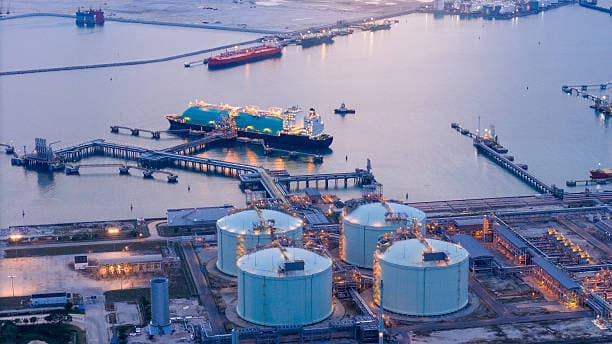
Logistics Has Become a Strategic Procurement Factor
Transportation costs now influence pharmaceutical procurement decisions more than ever before.
Key logistics considerations include:
Ocean freight availability
Air freight capacity
Marine insurance
Customs processing
Port congestion
Inventory positioning
Procurement teams increasingly evaluate total delivered cost instead of focusing solely on API pricing.
2-Ethylhexyl Acrylate CAS: 103-11-7
Diversification Is No Longer Optional
One of the strongest lessons from H1 2026 is that supplier diversification should become part of long-term procurement strategy.
Best practices include:
Qualify secondary API suppliers.
Source solvents from multiple regions.
Maintain approved backup manufacturers.
Diversify logistics providers.
Review supplier financial stability.
Conduct annual supplier risk assessments.
These measures improve operational resilience while reducing dependency on individual suppliers.
Strengthen Inventory Planning
Safety stock remains an important component of pharmaceutical supply chain management.
Companies should identify critical materials requiring higher inventory coverage, including:
Essential APIs
Pharmaceutical solvents
Sterile manufacturing materials
Critical excipients
Primary packaging components
Inventory decisions should balance working capital efficiency with supply continuity.

Improve Procurement Contracts
Modern pharmaceutical supply agreements should extend beyond pricing.
Contracts should clearly define:
Product specifications
Manufacturing site approvals
Quality documentation
Regulatory compliance
Change notification procedures
Delivery commitments
Alternative supply arrangements
Well-structured agreements provide greater protection during periods of market uncertainty.
Digital Supply Chain Monitoring
Leading pharmaceutical companies are investing in digital procurement tools that improve supply visibility.
These include:
Supplier performance dashboards
Inventory forecasting systems
Freight tracking platforms
Risk monitoring software
Market intelligence services
Regulatory monitoring tools
Real-time visibility allows procurement teams to respond faster to changing market conditions.
Market Outlook
Pharmaceutical supply chains are expected to remain more stable during the second half of 2026, supported by improving global logistics and easing transportation costs. However, the structural risks highlighted during H1—including supplier concentration, transportation dependence, and limited sourcing flexibility—are unlikely to disappear completely. Companies that assume conditions have permanently normalized may remain vulnerable to future disruptions.
Looking ahead, procurement organizations should prioritize resilience alongside cost efficiency. Diversifying API suppliers, securing reliable solvent sources, strengthening inventory planning, and improving contractual safeguards will help pharmaceutical manufacturers maintain uninterrupted production while responding more effectively to future market challenges.
Key Takeaways
H1 2026 exposed important structural weaknesses in pharmaceutical supply chains.
API concentration remains a significant procurement risk.
Pharmaceutical solvents deserve equal procurement attention alongside APIs.
Logistics and freight costs continue influencing total procurement cost.
Supplier diversification improves long-term supply security.
Safety stock should be maintained for critical pharmaceutical materials.
Strong procurement contracts provide better business continuity.
Digital supply chain monitoring supports faster procurement decisions.
H2 2026 should focus on resilience rather than simply reducing costs.